




Trump pauses ‘Project Freedom’ as Iran pushes for ‘fair’ deal
- In Reports
- 04:49 PM, May 06, 2026
- Myind Staff
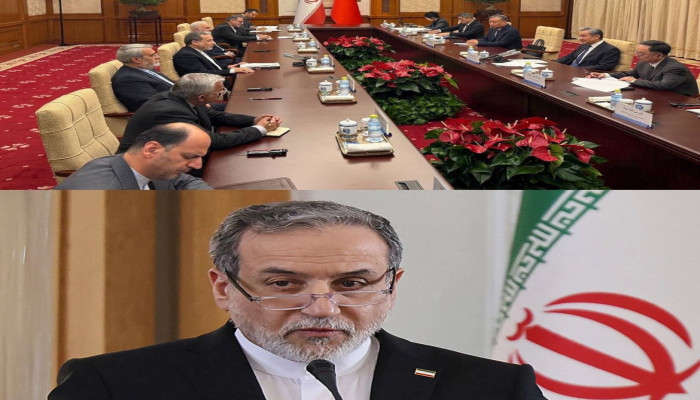
Iran said on Wednesday that it would only accept a peace agreement if it is “fair”, following a decision by U.S. President Donald Trump to pause a naval mission aimed at reopening the Strait of Hormuz. The mission had been active for three days and had already unsettled a fragile ceasefire that has been in place for about a month.
Trump’s initiative, called “Project Freedom”, was announced on Sunday with the goal of restoring shipping activity through the strait. However, the operation failed to bring any meaningful improvement in maritime traffic. Instead, it led to a fresh wave of Iranian attacks targeting ships in the area and locations in nearby countries.
In the latest development, a French shipping company reported that one of its container vessels was struck in the strait on Tuesday. The company confirmed that injured crew members had to be evacuated. This incident adds to a series of attacks that have raised concerns over the safety of commercial shipping in the region.
While announcing the pause in the mission, Trump referred to “great progress” in ongoing negotiations with Iran. He did not provide specific details about the talks. In a post on social media, he said, "We have mutually agreed that, while the Blockade will remain in full force and effect, Project Freedom (The Movement of Ships through the Strait of Hormuz) will be paused for a short period of time to see whether or not the Agreement can be finalised and signed."
The naval mission had been launched after Trump signalled that he might reject Iran’s recent proposal. That proposal, made last week, suggested delaying discussions on nuclear issues until the war ends and the dispute over shipping routes is resolved.
At the same time, Iran’s Foreign Minister Abbas Araqchi, who was visiting China, did not directly comment on Trump’s decision. However, he made it clear that Iran is seeking “a fair and comprehensive agreement”. In a separate social media post, Araqchi said he had spoken with the foreign minister of Saudi Arabia and emphasised the need for diplomacy among regional countries to avoid further escalation.
The situation in the Strait of Hormuz has remained tense for months. Iran has effectively blocked the passage for most ships since the United States and Israel launched military action on February 28. Only Iranian vessels have been allowed to pass freely. In April, Washington imposed an additional blockade on Iranian ports, further escalating tensions.
Project Freedom, which involved the use of the U.S. Navy to escort ships through the strait, failed to convince global shipping companies that the route was safe. Instead, Iran responded with more aggressive actions. It expanded its claimed control to parts of the coastline of the United Arab Emirates, located across the strait.
During the mission, Iranian drones and missiles targeted several vessels in and around the strait. Among them was a South Korean cargo ship that reported an explosion in its engine room. Iran also carried out repeated strikes on targets in the UAE, including a major oil port on the country’s coast. This port had allowed some exports without requiring passage through the strait.
In response, the U.S. Navy said it had engaged and struck several small Iranian boats on Monday. The exchange highlights the ongoing military tension despite diplomatic efforts.
Following Trump’s announcement that the mission would be paused, global oil markets reacted quickly. Brent crude oil futures dropped by around 1.7%, falling to below $108 per barrel. The development suggests that traders see the pause as a possible step toward easing tensions in the region.
The White House did not immediately respond to questions about the progress in negotiations or how long the pause would last. Throughout the conflict, Trump has often pointed to progress in talks with Iran when making sudden changes to military strategy, though such claims have not always been backed by clear evidence.
Earlier on Tuesday, U.S. Secretary of State Marco Rubio and other senior officials had stated that Iran should not be allowed to control shipping through the strait. This position reflects ongoing concerns in Washington about the strategic importance of the waterway.
Efforts to find a diplomatic solution have faced challenges. After a ceasefire paused U.S.-Israeli airstrikes on April 8, the United States and Iran held one round of peace talks in Pakistan. However, attempts to organise a second round have failed so far. Both sides have accused each other of making unreasonable demands.
The broader conflict has caused heavy losses. U.S.-Israeli attacks on Iran have killed thousands of people in the country. In Lebanon, where Israeli forces launched operations against Iran-backed Hezbollah fighters, thousands have also been killed and around a million people have been displaced. The violence has extended to the Gulf and Israel, where dozens have died due to Iranian retaliatory strikes.
Trump has repeatedly claimed that the war has severely weakened Iran’s military capabilities. Speaking to reporters at the Oval Office on Tuesday, he said Iran’s forces had been reduced to using “peashooters” and suggested that Tehran was interested in peace despite its aggressive rhetoric.
The ongoing conflict is also creating political pressure in the United States. Rising fuel prices are affecting voters, adding to concerns ahead of the midterm elections scheduled for November. The situation in the Strait of Hormuz continues to be closely watched, as it remains a key route for global oil supply and a major point of geopolitical tension.



 Loading...please wait
Comments