




Trump dismisses $300 billion fund reports, says Iran agrees never to have nuclear weapons
- In Reports
- 01:20 PM, Jun 16, 2026
- Myind Staff
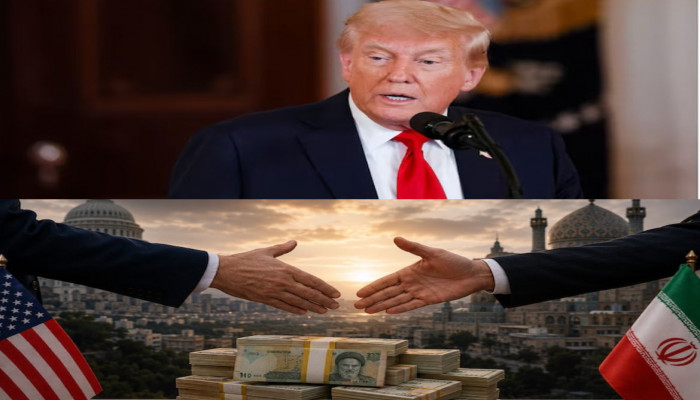
US President Donald Trump has said that Iran has agreed never to obtain nuclear weapons as part of the recently announced understanding between Washington and Tehran. His remarks came amid continued uncertainty over the future of Iran’s nuclear programme and the exact terms of the interim peace deal reached between the two countries.
In a post on his Truth Social platform, Trump also rejected reports claiming that the United States would provide Iran with a massive reconstruction package. Addressing the speculation, he wrote, "Iran has agreed to never have a Nuclear Weapon! Also, the story that the US is paying Iran 300 million Dollars is Fake News, put out by the Dumocrats."
While Trump has firmly stated that Iran has accepted restrictions on its nuclear ambitions, many details of the agreement remain unclear. Information currently available about the memorandum of understanding (MoU) signed between the United States and Iran suggests that it could include the release of Iran’s frozen assets, relief from certain sanctions, and the possibility of a $300 billion reconstruction fund. However, these benefits would reportedly be linked to Iran meeting specific obligations under the agreement.
Despite these reports, the Trump administration has not yet provided a detailed explanation of how the agreement will manage Iran’s nuclear programme in practical terms. Questions remain regarding the process that will be used to verify Iran’s compliance. There is also uncertainty about who will be responsible for removing or destroying Iran’s highly enriched uranium stockpile, which is believed to be stored beneath nuclear facilities that suffered significant damage during US military strikes last summer.
The lack of publicly available details has led to continued debate over how the agreement will be implemented and monitored. Observers are waiting for further clarification from both governments on the technical and diplomatic mechanisms that will support the deal.
Meanwhile, Iranian media outlets have reported that the memorandum is only the first step in the process. According to those reports, a final agreement on Iran’s nuclear programme is expected to be negotiated during a 60-day period following the signing of the MoU on Friday, June 19. These discussions are expected to address unresolved issues and establish the framework for a longer-term settlement.
So far, the full text of the memorandum has not been released publicly. US Vice President JD Vance said that the White House plans to make the document available later this week. The release is expected to provide greater clarity on the commitments made by both sides and the conditions attached to any economic benefits for Iran.
Speaking to ABC News, Vance stressed that financial assistance would depend entirely on Iran fulfilling its responsibilities under the agreement. He said, "And what everybody will see is that Iran doesn't get a dime of money unless they perform their obligations."
Vance also expressed strong support for Trump’s handling of negotiations with Iran. He argued that the agreement reflects the administration’s long-standing objective of preventing Iran from developing nuclear weapons while avoiding further conflict. According to Vance, the deal demonstrates the success of the president’s diplomatic strategy.
In a video message shared on X, Vance said, "The President has been clear from day one: Iran will never have a nuclear weapon. Once again, President Trump's efforts to establish peace have paid off for the American people, despite countless attempts to thwart it by people who hate America and President Trump."
His comments reinforced the administration’s position that preventing Iran from acquiring nuclear weapons remains the central goal of the agreement. However, until the text of the memorandum is released and negotiations move forward, many questions about implementation, verification, and future economic arrangements are likely to remain unanswered.
The agreement has already drawn significant international attention. Supporters view it as a potential step toward reducing tensions between the United States and Iran. Critics, however, are seeking more information about how compliance will be monitored and whether the deal can achieve its stated objectives over the long term.
For now, the focus remains on the upcoming release of the memorandum and the 60-day negotiation period that could shape the final framework governing Iran’s nuclear future.



 Loading...please wait
Comments