




Trump backs Russia sanctions bill, India could face 500% US tariffs over oil imports
- In Reports
- 05:17 PM, Jul 15, 2026
- Myind Staff
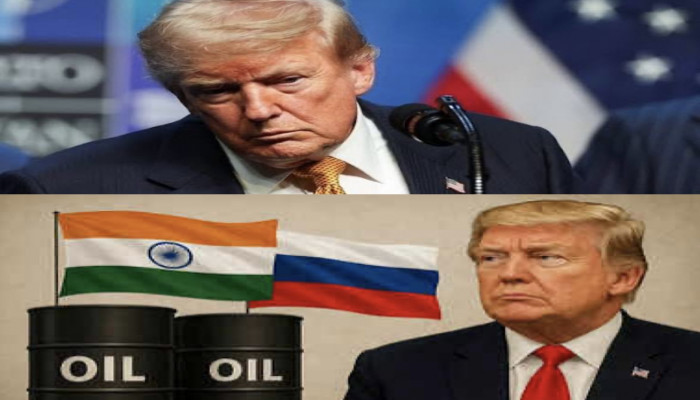
India's trade relationship with the United States could face fresh pressure after US President Donald Trump backed a proposed sanctions bill targeting countries that continue buying Russian oil. If Congress passes the legislation, it could allow the US President to impose tariffs of up to 500 per cent on imports from nations that purchase Russian oil, gas and petroleum products. India, along with China, remains one of Russia's biggest energy buyers, making both countries key targets under the proposed law.
The White House confirmed Trump's support for the legislation after questions surfaced about its future following the death of its lead Republican sponsor, Senator Lindsey Graham. Speaking to news agency ANI, a White House official said, "President Trump supports the bill."
The proposed legislation, called the Sanctioning Russia Act, would give the US President the power to impose steep secondary tariffs on countries that continue trading with Russia's energy sector. If it becomes law, it will rank among the toughest US measures introduced to reduce Russia's energy revenue since the Ukraine war began.
Trump also left open the possibility of imposing secondary sanctions on India and China. When asked about the issue during remarks in the Oval Office, he said, "We have to look. That hasn't been discussed yet." His remarks suggested that the administration has not taken a final decision on the matter.
The US President also expressed confidence that the bill could move forward in Congress. He said, "There's a good chance the Russia sanctions bill gets done." Trump further added, "They might add Iran, and Hezbollah too." He later said that Hezbollah could also become part of the sanctions package currently under discussion in Congress.
The legislation was co-authored by the late Republican Senator Lindsey Graham and Democratic Senator Richard Blumenthal. It would allow the US President to impose tariffs of up to 500 per cent on imports from countries purchasing Russian oil, gas and petroleum products. Lawmakers designed the bill to increase economic pressure on countries that continue supporting Russia's energy exports.
Before his death, Graham repeatedly argued that the legislation would place strong pressure on Russia's biggest energy customers, especially India and China. He had said that the two countries together purchase nearly 70 per cent of Russia's oil, gas and petroleum exports. He believed reducing those purchases would increase pressure on Moscow to end the war.
The proposed legislation has drawn attention across global markets due to its possible impact on countries importing Russian crude. India has remained one of the largest buyers of Russian oil since the Ukraine conflict began. However, the country reduced its purchases earlier this year during trade negotiations with Washington and after the United States imposed sanctions on several Russian energy producers.
Data from Kpler shows that India's imports of Russian crude declined sharply over the past few months. The country imported around 1.84 million barrels per day in November 2025. That figure dropped to nearly 1.04 million barrels per day by February 2026. The decline reflected changing trade conditions and increasing pressure surrounding Russian energy imports.
Another issue emerged after a temporary waiver issued by the US Treasury expired on June 17. The waiver had allowed Indian refiners to continue purchasing Russian crude despite existing sanctions. Its expiry removed that exemption and left India's current oil purchases in a legal grey area. This development has added fresh uncertainty to India's energy trade with Russia.
The sanctions bill now faces a key stage in the US Senate. Many lawmakers view its passage as a tribute to Lindsey Graham, who spent more than a year pushing the proposal before his death. His supporters believe the legislation reflects his long-standing effort to tighten economic pressure on Russia through its energy trade.
At the same time, the proposal has also faced criticism from within the Republican Party. Some party members have raised concerns about the scope of the legislation and its wider economic impact. Even so, Trump has publicly backed the bill, keeping the proposal at the centre of discussions over US policy towards Russia and its trading partners.



 Loading...please wait
Comments