




Trump announces a major agreement to control 65 billion barrels of Venezuelan oil reserves
- In Reports
- 03:05 PM, Aug 29, 2026
- Myind Staff
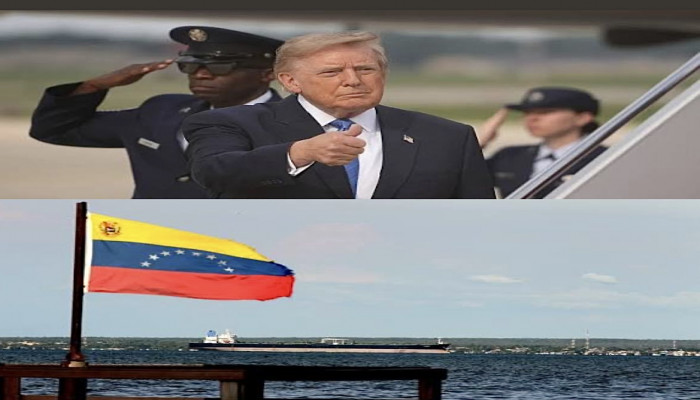
US President Donald Trump on Friday announced a major plan to give the United States majority control over more than 65 billion barrels of Venezuela’s proven oil reserves through a partnership with private companies. Trump described the move as an unprecedented arrangement that could give Washington access to a large share of Venezuela’s vast oil resources without placing the cost on American taxpayers.
Trump said the agreement followed weeks of negotiations between Washington and Caracas. In a post on Truth Social, he said US Secretary of State Marco Rubio and Secretary of War Pete Hegseth had worked with Venezuela’s interim President Delcy Rodriguez and private businesses to reach the deal. The announcement came as Venezuelan officials prepared to sign new agreements next week that would give several companies rights to explore for and produce oil in the country. US companies are expected to play a major role in the new arrangements.
Officials had earlier considered a lease model under which Venezuelan oilfields could be offered to US producers through auctions. However, such a system could face legal and constitutional challenges in Venezuela. The country’s laws give the state control over key activities in its oil industry. The final structure of the proposed agreement could therefore determine whether the plan can move ahead without legal hurdles.
The deal would greatly increase the US role in Venezuela’s energy sector. The Trump administration wants to revive Venezuela’s oil production and secure more crude supplies for American refineries. Venezuela holds the world’s largest proven oil reserves. Yet its current production remains far below its potential. The country now produces around 1.25 million barrels of oil per day after years of underinvestment, poor management and US sanctions that have affected its energy industry.
Trump did not provide details about how the agreement would work. He did not identify the oilfields covered by the deal or name the companies that would participate. He also did not explain how the United States would exercise majority control over the reserves. These unanswered questions have raised doubts about the legal and financial structure of the proposed arrangement.
Rubio presented the deal as a benefit for both Venezuela and the United States. He said it would give the US a stable supply of low-cost oil and could help bring down gasoline prices. He also said Venezuela could receive nearly $100 billion in private investment. The investment could create thousands of high-paying jobs and support efforts to rebuild the Venezuelan economy.
Analysts have warned that the immediate impact of the agreement remains uncertain. They said the plan still lacks important legal and financial details. They also cautioned that lower gasoline prices may not come quickly. Venezuela’s oil industry needs major investment to restore its infrastructure and increase production. The country also needs improvements in transportation systems and refining capacity to handle its heavy crude.
The legal status of a US-backed lease also remains a major issue. Experts have questioned whether such an arrangement would comply with Venezuela’s constitution and hydrocarbons laws. Any agreement that gives foreign companies significant control over oilfields could face scrutiny from Venezuelan authorities and legal challenges.
Washington has been working to secure more reliable supplies of Venezuelan crude for US refineries. The administration also wants American companies to invest in Venezuela’s energy sector. Increasing production could benefit both countries if the necessary infrastructure and investment are put in place.
The proposed deal also comes at a politically sensitive time for the Trump administration. The White House faces pressure over concerns about rising gasoline prices ahead of the November midterm elections. A larger supply of Venezuelan crude could support US refineries and strengthen energy ties between the two countries. However, experts say the benefits will depend on how quickly Venezuela can attract investment, restore its oil infrastructure and increase production.
For now, the announcement has outlined a broad framework rather than a fully detailed agreement. The contracts expected to be signed next week could provide more clarity on the companies involved, the oilfields covered and the terms under which US firms would operate. The legal and financial details will also determine whether Trump’s plan can deliver the greater US access and control over Venezuela’s oil reserves that he has announced.



 Loading...please wait
Comments