




Trump administration prepares sweeping sanctions against ICC over Netanyahu arrest warrant
- In Reports
- 11:34 AM, Sep 21, 2026
- Myind Staff
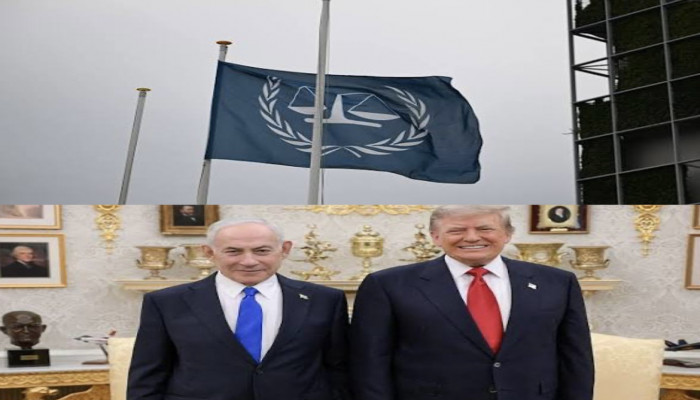
The Donald Trump administration is preparing sweeping sanctions against the International Criminal Court (ICC), escalating its pressure on the tribunal after it issued an arrest warrant for Israeli Prime Minister Benjamin Netanyahu over alleged war crimes and crimes against humanity in Gaza.
The sanctions could be announced as soon as this week and would target the ICC as an institution rather than individual judges and prosecutors. Two people familiar with the matter said the administration wants the court to withdraw its arrest warrants against Israeli leaders. Washington also wants the ICC to end its earlier investigation into alleged crimes by US troops in Afghanistan.
Under measures reported by The Wall Street Journal, most transactions involving the ICC could be banned after a six- to seven-month grace period. The restrictions could also block the court from conducting transactions in US dollars. Such a move could limit the ICC's access to a large part of the international financial system.
The United States has already sanctioned several ICC judges, prosecutors and other officials. However, Washington has so far avoided imposing sanctions directly on the court.
The ICC issued arrest warrants for Netanyahu and former Israeli Defence Minister Yoav Gallant in November 2024. The court accused them of alleged war crimes and crimes against humanity linked to Israel's war in Gaza. Netanyahu and Gallant have rejected the allegations. Israel and the US have also rejected the ICC's jurisdiction. Neither country is a member of the court.
The latest move comes as US officials intensify efforts to pressure the ICC. Secretary of State Marco Rubio launched a campaign in July to isolate the court. He urged countries to withdraw from the ICC and warned that Washington was considering further action against the institution and groups linked to it.
A broad sanctions regime could disrupt the ICC's routine operations. The court depends on international services such as banking, insurance and information technology. It also relies on investigators, contractors and other commercial services. Restrictions on US companies and financial institutions dealing with the ICC could make these services harder to access.
Banks and businesses often avoid transactions that could expose them to US sanctions. The ICC has warned that attempts to isolate it could affect its judicial and investigative work. Its governing body has said diplomatic pressure aimed at weakening the court threatens confidence in the wider international legal system.
Trump's opposition to the ICC dates back to his first term. His administration has repeatedly accused the court of exceeding its authority and targeting US and Israeli officials. The ICC is also investigating alleged crimes linked to US military operations in Afghanistan, a case opposed by Washington.
The US is not a member of the ICC and has never ratified the Rome Statute, the treaty that established the court. The ICC was established in 2002 to prosecute individuals for genocide, war crimes and crimes against humanity when national authorities are unable or unwilling to genuinely investigate and prosecute such crimes.
The latest plan follows a wider US campaign to distance countries from the ICC. A State Department official told Reuters in July that Washington was considering travel bans, visa revocations, additional sanctions and diplomatic pressure on countries to leave the court. The administration said no diplomatic option would be off the table.
The proposed measures would mark a shift from targeting individual ICC officials to directly targeting the institution. The timing remains uncertain. The Wall Street Journal reported that a decision could be finalised as soon as this week, when world leaders gather in New York for the UN General Assembly.



 Loading...please wait
Comments