




Tracing Sanatana Dharma Influence on Thailand: Seals and Symbols of State
- In History & Culture
- 11:55 AM, Apr 24, 2026
- Siddhartha Dave
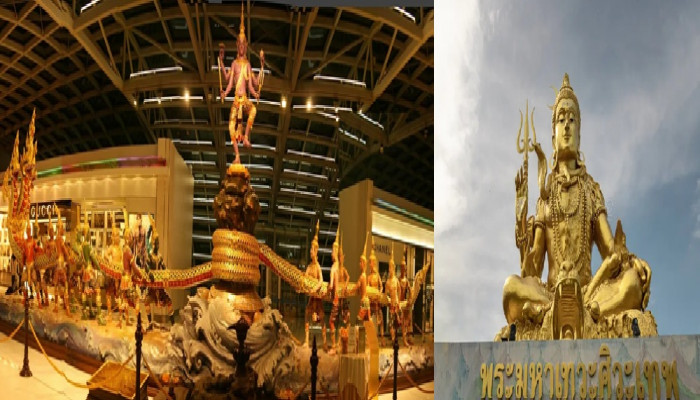
Sanatana Dharma has had a significant influence on the cultural, religious, and artistic aspects of Thailand throughout its history. While the majority of the Thai population practices Theravada Buddhism, Sanatana Dharma has left a lasting impact on Thai culture, especially in terms of religious practices, art, architecture, and literature.
Southeast Asia has been in contact with Sanatana Dharma through Bharat for over 2000 years. Indian settlement in Southeast Asia has been ongoing since the 6th century BCE and has continued into the modern era, influenced by various socioeconomic and political factors. Tamil and Gujarati immigrants migrated to Thailand in the late 1800s, working in the gem and textile industries, followed by a larger migration of both Sikhs and Hindus from Punjab in the 1890s
Historical Influence: Sanatana Dharma was introduced to the region that is now Thailand through Indian traders and Brahmins who travelled to the region centuries ago. The ancient kingdom of Funan, which encompassed parts of present-day Thailand, had strong Hindu influences.
Brahmanism: Elements of Brahmanism, a form of Sanatana Dharma, especially rituals and sacrifices, were adopted by the Thai elite and played a significant role in court ceremonies and royal rituals. Brahmins were invited to perform sacred ceremonies, and the royal court maintained close connections with Hindu practices.
Hindu Deities: Hindu deities, such as Brahma (Phra Phrom), Vishnu (Phra Narai), and Shiva (Phra Isuan), are recognised and worshipped in Thailand. Temples dedicated to these deities can be found in various parts of the country, and their statues and images are revered.
Ramakien: The Ramakien, also known as the Ramayana, is an epic Hindu text that depicts the story of Bhagwan Rama. It holds a prominent place in Thai literature, art, and theatre. The Ramakien is often depicted in murals, sculptures, and traditional Thai dance-drama performances.
Festivals and Rituals: Hindu festivals, such as Diwali (Festival of Lights) and Songkran (Thai New Year), are celebrated by the Indian community in Thailand. These festivals are marked by rituals, offerings, and vibrant cultural celebrations.
Influence on Architecture: Hindu architecture styles, particularly Khmer and Pallava styles from ancient India, have influenced Thai temple architecture. The iconic Wat Arun (Temple of Dawn) in Bangkok, for example, showcases a blend of Hindu and Buddhist architectural elements.
Indian Community: The Indian community in Thailand, primarily descendants of Indian merchants and traders, has preserved Hindu religious practices and traditions. They have temples and cultural centres where Hindu ceremonies and rituals are conducted.
It's important to note that while Sanatana Dharma has influenced Thai culture and traditions, it coexists with Theravada Buddhism, which is the dominant religion in Thailand. Hindu elements are often assimilated into Buddhist practices, resulting in a unique blend of both religions in Thai society.
History of Sanatana Dharma in Thailand
Here is an overview of the history of Sanatana Dharma in Thailand:
Dvaravati Period (6th-11th Century): The Dvaravati period saw the spread of Sanatana Dharma in the region. The kingdom of Dvaravati, located in present-day Thailand, embraced Sanatana Dharma and Buddhism. Hindu deities, rituals, and temple architecture from India were assimilated into the local culture.
Khmer Empire (9th-13th Century): The Khmer Empire, with its capital at Angkor, extended its influence over parts of present-day Thailand. The Khmer rulers were devout Hindus, and their empire was characterised by the construction of grand Hindu temples, such as Angkor Wat. Sanatana Dharma, particularly Shaivism (devotion to Bhagwan Shiva), played a significant role during this period.
Sukhothai Kingdom (13th-15th Century): The Sukhothai Kingdom, one of the earliest Thai kingdoms, had cultural interactions with the Khmer Empire and India. Hindu influences, such as temple architecture and Hindu deities, can be observed in the archaeological remains of the period.
Ayutthaya Kingdom (14th-18th Century): The Ayutthaya Kingdom, which succeeded the Sukhothai Kingdom, had a diverse religious landscape that included both Sanatana Dharma and Buddhism. The Ayutthaya kings patronised Brahmins and performed Hindu rituals. The kingdom also witnessed the construction of Hindu temples, such as Wat Phra Sri Sanphet.
Rattanakosin Period (1782-present): With the establishment of the Rattanakosin Kingdom, which marks the foundation of modern Thailand, Sanatana Dharma gradually diminished in influence. However, Hindu elements, including the worship of Hindu deities, rituals, and architectural styles, continued to exist and coexist with Buddhism.
Today, Sanatana Dharma in Thailand is primarily practised by the Indian community residing in the country. Temples dedicated to Hindu deities can be found, and the Indian community observes Hindu festivals and ceremonies. The influence of Sanatana Dharma on Thai culture, particularly in art, architecture, and literature, is still evident in various aspects of Thai society, showcasing the historical and cultural ties between India and Thailand.
Tracing Vishnu Sculptures in Thailand
Vishnu sculptures can be found in various regions of Thailand, particularly in ancient temple complexes and museums. These sculptures depict Bhagwan Vishnu, one of the principal deities in Sanatana Dharma. Here are some notable places where Vishnu sculptures can be traced in Thailand:
1. Phanom Rung Historical Park: Located in Buriram Province, Phanom Rung is an ancient Khmer temple complex dedicated to Bhagwan Shiva. Within this complex, there are several Vishnu sculptures, including the famous Vishnu reclining on the serpent Shesha (Ananta-Shayana) statue.
2. Prasat Hin Phimai: Situated in Nakhon Ratchasima Province, Prasat Hin Phimai is another Khmer temple complex that contains Vishnu sculptures. Notable among them is the statue of Vishnu mounted on the mythical bird Garuda.
3. National Museum Bangkok: The National Museum in Bangkok houses a significant collection of ancient art and artefacts, including Vishnu sculptures. Visitors can find statues of Vishnu in various forms, such as Vishnu on Garuda or Vishnu holding his discus weapon (chakra).
4. Phra Prang Sam Yod: Located in Lopburi Province, Phra Prang Sam Yod is a Khmer temple complex that features Vishnu sculptures. The central tower of the temple complex is adorned with intricate carvings depicting Vishnu and other Hindu deities.
5. Phra Pathom Chedi: Situated in Nakhon Pathom Province, Phra Pathom Chedi is a Buddhist stupa believed to be the oldest in Thailand. Within its premises, there are Vishnu sculptures that signify the historical and cultural interactions between Sanatana Dharma and Buddhism in the region.
6. Ayutthaya Historical Park: Ayutthaya, the ancient capital of the Ayutthaya Kingdom, contains numerous temple ruins. Among them, there are Vishnu sculptures, including images of Vishnu in standing or seated postures.
These are just a few examples of places where Vishnu sculptures can be traced in Thailand. Additionally, various museums, both national and local, exhibit ancient Hindu sculptures and artefacts that depict Bhagwan Vishnu. Exploring these sites and museums offers insights into the historical and cultural connections between Sanatana Dharma and Thailand.
Tracing Shiva Cult in Thailand
The cult of Shiva, one of the major deities in Sanatana Dharma, can be traced in various regions of Thailand. Shiva worship has had a significant influence on Thai culture, art, and religious practices. Here are some notable places and aspects where the Shiva cult can be found in Thailand:
1. Phanom Rung Historical Park: Located in Buriram Province, Phanom Rung is an ancient Khmer temple complex dedicated to Bhagwan Shiva. The complex features intricate carvings and sculptures of Shiva, depicting him in various forms and postures.
2. Prasat Hin Phimai: Situated in Nakhon Ratchasima Province, Prasat Hin Phimai is another Khmer temple complex that has connections to Shiva worship. The temple complex showcases sculptures and reliefs of Shiva, including the depiction of him performing Tandava.
3. Erawan Shrine (Thao Maha Phrom Shrine): The Erawan Shrine in Bangkok is a popular Hindu shrine dedicated to Bhagwan Brahma, but it also attracts worshippers of Bhagwan Shiva. Many Thai devotees come to the shrine to offer prayers and make offerings to Bhagwan Shiva, seeking blessings and fulfilment of their wishes.
4. National Museum Bangkok: The National Museum in Bangkok houses a significant collection of ancient art and artifacts, including sculptures and artifacts related to Shiva. Visitors can find sculptures of Shiva in various forms, such as Shiva Nataraja (the cosmic dancer), Shiva Linga (symbol of divine energy), and Ardhanarishvara (Shiva and Parvati as a composite form).
5. Ayutthaya Historical Park: Ayutthaya, the ancient capital of the Ayutthaya Kingdom, has several temple ruins that reflect the influence of Shiva worship. Sculptures and carvings of Shiva can be seen in various temples, symbolising the integration of Shaivism (the worship of Shiva) within the Ayutthaya Kingdom.
6. Shiva Festivals: Various Shiva-related festivals are celebrated by the Indian community in Thailand. Maha Shivaratri, dedicated to Bhagwan Shiva, is one of the most significant Hindu festivals observed by devotees who perform special prayers and rituals in temples or at home.
The presence of Shiva worship in Thailand is evidence of the historical and cultural connections between Sanatana Dharma and Thai society. While the majority of Thais practice Theravada Buddhism, the influence of Shiva and Hindu traditions is still evident in religious practices, art, and festivals, contributing to the diverse cultural fabric of the country.
The popular Thai epic Ramakien is based on the Buddhist Dasaratha Jataka, which is a Thai variant of the Hindu epic Ramayana. The national emblem of Thailand depicts Garuda, the vahana (mount) of Vishnu.
The city of Ayutthaya, near Bangkok, is named after Ayodhya, the birthplace of Prabhu Shree Ram. Numerous rituals derived from Hinduism are preserved in rituals, such as the use of holy strings and the pouring of water from conch shells. Furthermore, Hindu-Buddhist deities are worshipped by many Thais, such as Brahma at the famous Erawan Shrine, and statues of Ganesh, Indra, and Shiva. Reliefs in temple walls, such as the 12th-century Prasat Sikhoraphum near Surin (Thailand), show a dancing Shiva, with smaller images of Parvati, Vishnu, Brahma, and Ganesha.
The Devasathan is a Hindu temple established in 1784 by King Rama I. The temple is the centre for Hindus in Thailand. The royal court Brahmins operate the temple and perform several royal ceremonies per year.
In the contemporary period, the influence of Sanatana Dharma can be seen in their official seals and symbols.
The national emblem of Thailand is called the Phra Khrut Pha, "Garuda" as the vehicle (of Vishnu). The Garuda was officially adopted as the national emblem by Vajiravudh (Rama VI) in 1911. However, this sacred icon of Sanatana Dharma had been used as a symbol of royalty in Thailand for centuries. The Garuda is depicted on seals, which are used by the King and the Government of Thailand to authenticate official documents and as its primary emblem.

The Garuda is an epic and revered symbol for Hindu and Buddhist traditions. According to Sanatana history, the Garuda is the vahana (vehicle) of the god Vishnu (Narayana). The ancient kings of Thailand believed in divine kingship and considered themselves the incarnation of the god Narayana. Thus, the Garuda came to symbolise the divine power and authority of the king.
The Garuda also features in the national emblem of Indonesia and the emblem of the city of Ulaanbaatar.
Four great royal seals of Thailand
Phra Ratcha Lanchakon Maha Ongkan:
Royal Seal of the Great Decree: An Unalom symbol inside a royal Busabok pavilion, flanked by two seven-tiered royal umbrellas. The seal represents Shiva.

Phra Ratcha Lanchakon Phra Khrut Pha
Royal Seal of Garuda the Carrier: Narayana mounted on the back of Garuda. Within the Garuda's claws are two Nāga serpents. Narayana is an incarnation of Vishnu.
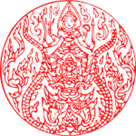
Phra Ratcha Lanchakon Airaphot
Royal Seal of Airavata elephant: A royal pavilion mounted on the back of Airavata (a Sanatana three-headed elephant), flanked by two five-tiered royal umbrellas. The Airavata,in according to Sanatana faith, is the vehicle of Indra.
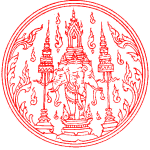
Phra Ratcha Lanchakon Hongsaphiman
Royal Seal of the Swan Pavilion: A royal pavilion mounted on the back of hamsa (a legendary swan), at its feet are lotus flowers and leaves. The hamsa, according to the Sanatana faith is the vehicle of Brahma

This is the Royal coat of arms of Siam
The first (chief) quadrant depicts an Airavata on a yellow field. This quadrant represents the Thai heartland, the three heads of the elephant represent its northern, central and southern regions. The lower left quadrant (dexter base) depicts a white elephant on a red field.



 Loading...please wait
Comments