




TMC faces fresh blow Sukhendu Sekhar Ray resigns from Rajya Sabha and party's primary membership
- In Reports
- 04:48 PM, Jun 08, 2026
- Myind Staff
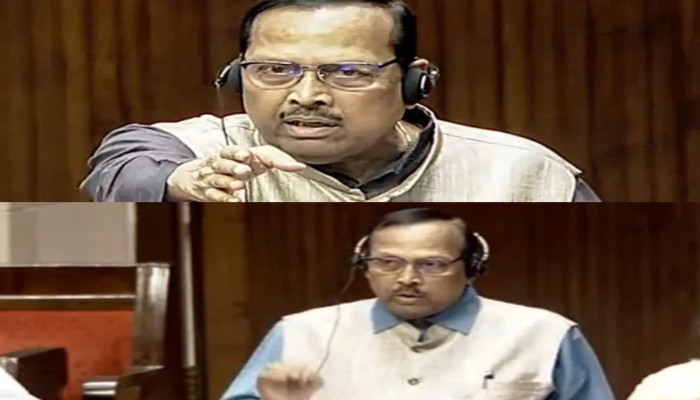
The Trinamool Congress (TMC) suffered another major setback on Monday after senior leader Sukhendu Sekhar Ray resigned from the Rajya Sabha and also gave up his primary membership of the party. His exit comes at a time when the TMC is facing increasing internal unrest following its defeat by the Bharatiya Janata Party (BJP) in West Bengal.
Ray’s resignation has added to the challenges facing the party as it struggles with growing dissent among its leaders and legislators. Political observers believe the latest development could deepen concerns about a possible split within the organisation after the end of its 15-year rule in the state.
In his resignation letter, Ray referred to the BJP’s victory in West Bengal as a “historic verdict” delivered by the people. He said the electorate had chosen a new direction by voting the BJP to power and ending the long tenure of the TMC government.
The former Rajya Sabha MP strongly criticised the previous TMC administration in his letter. He alleged that the government was marked by “widespread unbridled corruption” and accused it of failing to meet public expectations in several important sectors.
Ray claimed that the government had not performed effectively in areas such as healthcare, education, law and order, employment generation and women’s safety. According to him, these shortcomings played a role in shaping public opinion against the party.
Drawing a comparison between the previous administration and the new BJP government, Ray said the current dispensation had already begun working towards Bengal’s development. He claimed that the new government was taking steps to fulfil the promises made during the election campaign.
Explaining the reason behind his decision, Ray wrote, “In respectful acceptance of this historic verdict of the people, I have resigned today from the Rajya Sabha as well as from the primary membership of the All India Trinamool Congress.”
His resignation comes during one of the most difficult phases in the history of the TMC. The party has been dealing with a growing rebellion from within its ranks, raising questions about its unity and future direction.
The internal crisis intensified earlier this month when 58 rebel MLAs, led by Ritabrata Banerjee, were recognised by the Assembly Speaker as the principal opposition bloc in the West Bengal Assembly. The move highlighted the scale of dissatisfaction among a significant section of party legislators.
Although the rebel MLAs have continued to acknowledge Mamata Banerjee as their leader, they have openly opposed the increasing influence of her nephew, Abhishek Banerjee, within the party. Their objections have become one of the main points of conflict inside the organisation.
The extent of the crisis became even more evident when a meeting called by Mamata Banerjee at her Kolkata residence witnessed a poor response. Only eight non-rebel MLAs attended the gathering, underlining the widening divide within the party.
There are also indications that more leaders could leave the TMC in the coming months. The party has already witnessed other resignations in recent weeks, further adding to its troubles.
Earlier this month, former TMC leader Ajmal Siddiqui resigned from the party. He expressed dissatisfaction with its internal functioning and accused Abhishek Banerjee of having a “dictatorial attitude”.
Siddiqui also alleged that several leaders within the organisation were involved in “unsavoury activities” that had damaged the party’s image and reputation.
The BJP’s victory in West Bengal has triggered significant political churn within the state. As the TMC continues to face rebellion and leadership challenges, political observers are closely monitoring developments to see whether the ongoing unrest will further weaken the party in the months ahead.



 Loading...please wait
Comments