
Tesla faces complaint in South Korea over FSD sales, with 80% of cars ineligible
- In Reports
- 02:35 PM, Nov 04, 2026
- Myind Staff
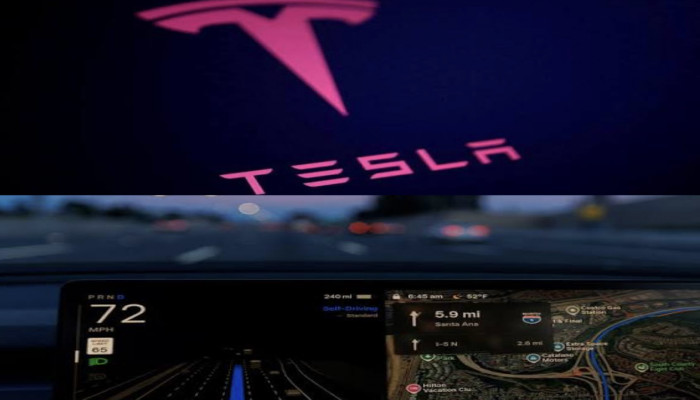
A consumer advocacy group alleges that Tesla misled thousands of customers in South Korea by selling its Full Self-Driving (FSD) software despite knowing most of its vehicles in the country cannot legally use the technology. The group plans to file a complaint with the Korea Fair Trade Commission (KFTC) on Thursday.
Tesla has marketed its Full Self-Driving (Supervised) software to South Korean buyers for years, often charging a one-time fee of 9.043 million won ($6,726). However, only around 20% of Tesla vehicles registered in the country can legally use the system, according to Tesla Korea country manager Seo Young-deuk's testimony before parliament last month.
These eligible vehicles were manufactured in the US and meet American vehicle safety standards recognised by South Korea under a free trade agreement. Most Tesla vehicles sold in the country, however, come from China, which does not have such an agreement with South Korea. Tesla began the certification process for FSD in China-made vehicles only recently, despite selling the software to customers for more than three years.
The exact number of customers who purchased FSD for ineligible vehicles remains unclear. However, Tesla has sold more than 170,000 Shanghai-produced vehicles in South Korea since 2023, according to company data submitted to the National Assembly.
"Tesla generated substantial revenue by selling an expensive driver-assistance system to mass-market buyers who cannot use it for even a single day," said Choi Young-suk, who leads automotive issues at the advocacy group Citizens United for Consumer Sovereignty.
Sales of China-made Teslas that cannot use FSD legally increased more than fivefold between 2023 and last year. In 2025, 99% of new Teslas sold in South Korea were ineligible for the system.
The complaint also alleges that Tesla promoted FSD as "coming soon" last year and shared a demonstration video filmed in South Korea without clearly informing customers about the technology's limitations. Despite CEO Elon Musk's repeated promises of fully driverless vehicles, FSD is not autonomous and requires active human supervision.
A KFTC official confirmed that the agency launched an investigation into Tesla's FSD advertising earlier this year. The company has submitted written responses, but the official declined to share further details. Tesla did not respond to requests for comment.
During an October 8 parliamentary hearing, Seo said Tesla had not formally requested FSD testing from the transport ministry. The company applied for certification two weeks later. The ministry has said the system does not meet South Korean safety rules, including requirements for drivers to keep their hands on the steering wheel.
The consumer group has accused Tesla Korea of deceptive marketing. It has asked the KFTC to temporarily stop the company from advertising FSD for ineligible vehicles, impose administrative fines and refer the case to state investigators.
Tesla also faces growing regulatory challenges in other markets, including Europe, where it has pushed regulators to approve its FSD technology. Meanwhile, the company surpassed BMW this year to become South Korea's leading imported-car brand. After offering one-time FSD payments for years, Tesla activated the service late last year and switched to a monthly subscription of 150,000 won ($112) in August.
Last month, a Seoul court dismissed a lawsuit by Tesla owners seeking refunds for FSD. The court ruled that regulatory and legal restrictions had limited Tesla's ability to introduce additional features in South Korea.

 Loading...please wait
Comments