




Sweden approves law to revoke residency permit for misconduct
- In Reports
- 01:08 PM, Jun 16, 2026
- Myind Staff
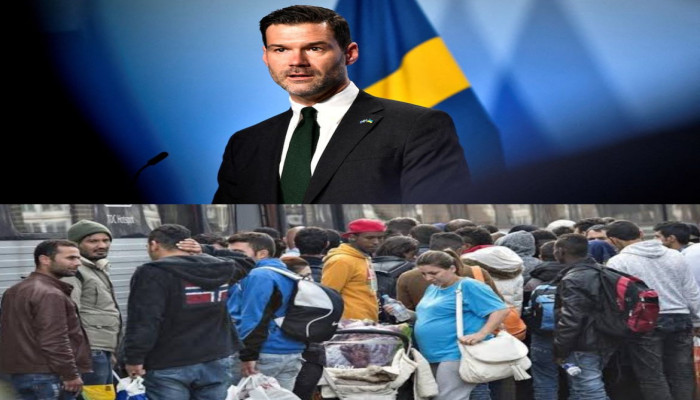
Sweden's parliament has approved a new law that allows authorities to cancel residency permits of immigrants based on certain forms of misconduct. The legislation gives officials the power to revoke permits for reasons such as unpaid debts, undeclared work, tax-related issues, criminal activities, or links to extremist organisations. The law will apply not only to future residency applications but also to permits that were already granted.
The measure is part of a broader effort by Sweden's right-wing government and its supporting nationalist party, the Sweden Democrats, to tighten immigration policies. The government has made stricter immigration controls a key priority ahead of the parliamentary election scheduled for September. Since coming to power after the 2022 election, the administration has focused on reducing immigration and taking stronger action against crime.
The newly approved law has sparked criticism from opposition parties and human rights groups. Critics argue that the legislation is vague and could allow authorities to take action against individuals for behaviour that has not been classified as a criminal offence. They believe the lack of clearly defined standards could create uncertainty among immigrants living in the country.
Stockholm-based rights organisation Civil Rights Defenders strongly opposed the law after its approval. In a statement, the group said, "The good behaviour law leaves people in uncertainty about what actions or expressions can be used against them."
The organisation further criticised the measure, stating, "It undermines the rule of law and the principle of equality before the law."
Supporters of the legislation, however, say it is necessary to ensure that people who live in Sweden respect the country's laws and responsibilities. The government has repeatedly argued that individuals who engage in criminal activities or fail to meet their obligations should not be allowed to remain in the country.
Although the law identifies examples of unacceptable behaviour, it does not provide a complete list of actions that could lead to a residency permit being withdrawn. Government officials have referred to unpaid debts, failure to pay taxes, criminal conduct, and associations with extremist organisations as examples of behaviour that may be considered grounds for action.
Under the new rules, Sweden's Migration Agency will be responsible for reviewing residency permits and determining whether they should be revoked. Individuals affected by such decisions will have the right to challenge them through the country's migration courts.
Minister of Migration Johan Forssell defended the proposal when presenting the bill in March. Explaining the government's position, he said, "Anyone who doesn't make the effort to do the right thing shouldn't be able to count on staying."
The law marks one of the latest steps in Sweden's ongoing effort to introduce stricter immigration measures. While supporters view it as a tool to strengthen accountability, critics remain concerned about its impact on legal certainty and equal treatment under the law.



 Loading...please wait
Comments