



Supreme Court stops eviction of Pakistan-Born Dalit Hindu families in Delhi, seeks dignified housing
- In Reports
- 02:43 PM, Feb 02, 2026
- Myind Staff
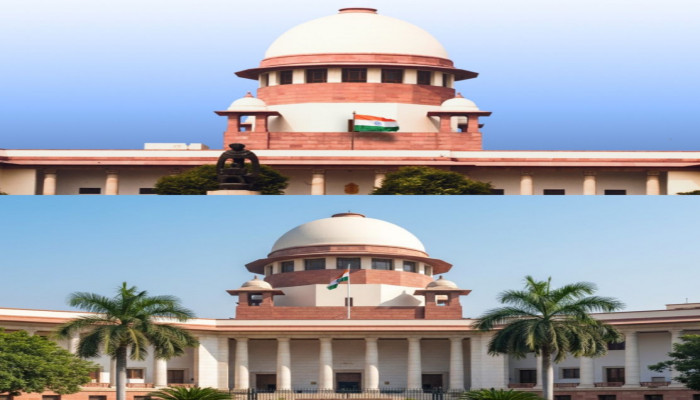
The Supreme Court on Monday stayed an eviction drive affecting around 250 Pakistan-born Dalit Hindu families living near the Signature Bridge in Delhi’s Majnu Ka Tila area. While hearing the matter, the court made it clear that granting Indian citizenship alone is not sufficient and that the government must also ensure dignified housing and proper rehabilitation for these families.
The observations were made by a bench comprising Justice M.M. Sundresh and Justice N. Koteshwar Singh. The court expressed concern over the uncertainty faced by Scheduled Caste Hindus who migrated from Pakistan and have been living in the area for several years. Despite being granted Indian citizenship, these families are still facing the threat of eviction.
During the hearing, the bench stressed that citizenship must come with basic living conditions. The court observed that “citizenship alone is not enough,” and emphasised that it should be accompanied by proper housing and rehabilitation measures so that people can live with dignity. The judges noted that merely granting legal status does not address the daily struggles and insecurity faced by these communities.
The case relates to the possible displacement of families residing near the Signature Bridge, where development-related activities could result in their eviction. The court took note of the fact that these residents, though legally recognised as citizens, continue to remain vulnerable due to the lack of permanent and dignified housing.
Taking a serious view of the situation, the Supreme Court directed the government to submit its response within four weeks. Until then, the court ordered a stay on any eviction drive or development project that could lead to the displacement of the families. This interim protection ensures that no action is taken against the residents while the matter is under consideration.
The relief granted by the court covers around 250 families, affecting more than 1,000 people. These families have lived in the Majnu Ka Tila area for years and now face uncertainty regarding their future housing and rehabilitation. The bench highlighted the need for a humane approach, stating that rehabilitation is an essential part of ensuring dignity to citizens.
By staying the eviction and seeking a detailed response from the government, the Supreme Court has underlined the importance of balancing development with the rights and dignity of vulnerable communities.



 Loading...please wait
Comments