



Supreme Court says it will not allow any obstruction in SIR despite Mamata Banerjee’s plea
- In Reports
- 09:47 PM, Feb 09, 2026
- Myind Staff
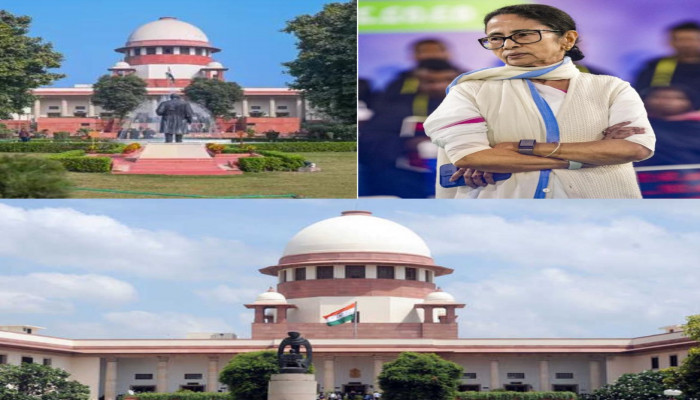
The Supreme Court of India on Monday made it clear to state governments that it will not allow any “impediment” or blockage in the ongoing Special Intensive Revision (SIR) of electoral rolls across the states. The top court was hearing several petitions related to the SIR process in West Bengal, including one moved by West Bengal Chief Minister Mamata Banerjee, which raised issues about how voters were placed in the “logical discrepancy” list in the electoral roll revision.
The hearing came as part of a group of petitions challenging different parts of the SIR exercise. In her plea, Mamata Banerjee questioned the way certain voters were categorised under “logical discrepancy” and asked the court for intervention. She has been in a prolonged confrontation with the Election Commission of India (ECI) over how the SIR is being done in her state. Banerjee has claimed that the process in West Bengal was unfair and challenged it in the Supreme Court to “protect democracy.”
Banerjee’s petition gained wide attention when she made an in-person appearance in the Supreme Court last week. She personally appeared before the top court asking it to ensure that the SIR process was not used to harm voters in her state. She argued that the ongoing revision could affect the rights of genuine voters by categorising them incorrectly.
During the hearing, the Supreme Court stressed the importance of an uninterrupted SIR process. The court told the states that nothing should stop or obstruct the continuation of the Special Intensive Revision of electoral rolls. The direction from the court suggested that maintaining the ongoing electoral roll update is critical and that courts should not allow blockages that could delay or hinder the process.
Alongside Mamata Banerjee’s plea, the court also considered a public interest litigation filed by the Sanatani Sangsad. This PIL sought the deployment of state police officials under the supervision of the Election Commission of India until the final updated electoral roll is published. The bench took up this petition as part of the group of matters it was hearing.
In response to the petitions, the Election Commission of India told the Supreme Court that there have been incidents of violence, intimidation, and interference related to duties connected with the SIR in West Bengal. The ECI’s statement highlighted concerns about safety and the conduct of electoral revision work in some areas.
The Supreme Court’s message to the states was firm: no obstruction or impediment will be allowed in the ongoing SIR process. This reinforces the court’s stance that the electoral roll revision must continue without disruption, even as petitions and complaints are heard. The top court’s order aims to keep the SIR exercise moving forward to ensure the electoral rolls are updated on time.
The Supreme Court’s judgment and the petitions, including the one from Mamata Banerjee, are part of a broader national debate over the SIR exercise and how it should be conducted fairly across all states. The court’s clarification underlines its position that the process should not be hindered while legal challenges are being addressed.



 Loading...please wait
Comments