




Supreme Court invokes Article 142, sets strict timelines for judgements to speed up justice
- In Reports
- 01:55 PM, May 29, 2026
- Myind Staff
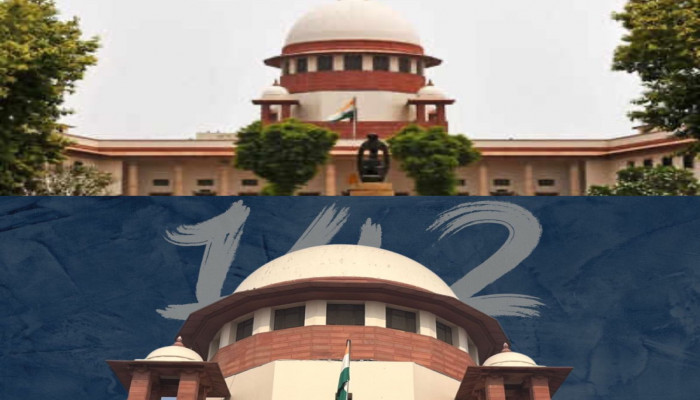
The Supreme Court on Friday issued a series of binding directions to all high courts across the country to ensure quicker delivery of judgments and reduce delays in the judicial system. Using its powers under Article 142 of the Constitution, the apex court said that reserved judgments must be delivered within three months.
A bench headed by Chief Justice of India Surya Kant also laid down strict timelines for bail matters. The court directed that high courts should pronounce bail orders on the same day after hearing a case. If the order is reserved, it must be delivered by the next day.
The Supreme Court further said that once regular bail is granted, the order should be immediately communicated to the trial court. It added that undertrial prisoners who are granted bail must be released on the same day after completing all required formalities.
In another major direction aimed at improving transparency, the apex court ordered all high courts to upload judgments on their official websites within 24 hours of pronouncement. The bench also clarified that the date on which the operative part of the judgment is pronounced will be treated as the official date of the judgment.
The court stressed the importance of timely justice and observed that high courts are the primary institutions where thousands of people approach every day seeking relief. It said delays in the pronouncement of judgments directly impact public confidence in the judiciary.
“At the same time, the apex court clarified that the directions were not meant to cast aspersions on any judge or judicial institution.”
The ruling came while the Supreme Court was hearing a case related to long delays in the pronouncement and uploading of judgments, especially in the Jharkhand High Court.
The court’s directions are expected to bring more accountability and efficiency to the judicial system. The move also aims to ensure that people seeking justice do not suffer because of procedural delays. By fixing timelines for judgments, bail orders and uploading of court decisions, the Supreme Court has tried to make the judicial process faster and more transparent.
The directions issued by the apex court are binding on all high courts across the country. Legal experts believe the decision could help reduce uncertainty for litigants and improve trust in the justice delivery system. The court’s emphasis on speedy disposal of cases also highlights the growing concern over delays that affect thousands of pending matters every year.
The Supreme Court’s latest order is being seen as a significant step towards strengthening judicial efficiency and ensuring timely access to justice for citizens across the country.



 Loading...please wait
Comments