



‘Situation worrisome’: PM Modi warns of direct consequences on India's economy from ongoing West Asia conflict
- In Reports
- 05:36 PM, Mar 23, 2026
- Myind Staff
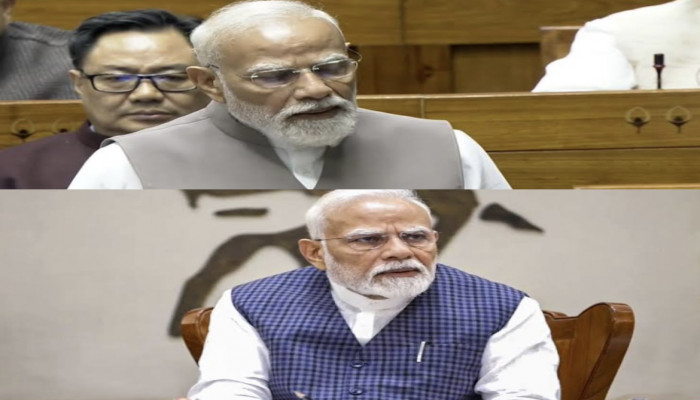
Prime Minister Narendra Modi has expressed deep concern over the ongoing crisis in West Asia, calling the situation “worrisome” and highlighting its wide-ranging impact on India’s economic and security interests. Speaking in Parliament, he underlined that the conflict is not limited to the region alone but is affecting global stability, trade routes, and the lives of millions of people, including a large number of Indians living and working abroad.
During his address, Modi emphasised that India shares strong economic and strategic ties with countries in the West Asian region. These ties make India particularly vulnerable to any instability in that area. He said, "India has extensive trade relations with countries at war and affected by the conflict," pointing out that disruptions in these relationships could have direct consequences for the country’s economy. The region is a key partner for India in terms of imports, exports, and overall trade connectivity, making the situation even more critical.
The Prime Minister further explained that West Asia holds immense importance for India’s energy needs. A significant portion of India’s crude oil and natural gas imports comes from this region, making it a crucial link in maintaining the country’s energy security. Highlighting this concern, he said, "The region where the conflict is taking place is also an important route for our trade with other countries around the world, particularly for a large portion of our crude oil and gas needs." This statement reflects the serious risks posed by any disruption in maritime routes, especially at a time when global energy markets are already under pressure.
Another key concern raised by Modi was the safety and well-being of Indian citizens in the region. He pointed out that a large Indian diaspora is based in West Asian countries, contributing significantly to both local economies and India’s remittance inflows. He said, "Nearly 1 crore Indians live and work in the Gulf countries," highlighting the scale of India’s human presence in the region. In addition to workers, many Indian students and professionals are also based there, further increasing the country’s stake in ensuring stability and peace.
Modi stressed that India’s concerns go beyond just economic factors. The situation also has implications for national security and humanitarian considerations. He said, "Due to these various reasons, India's concerns are naturally greater," explaining why India is closely monitoring developments in the region. He also called for a united response within the country, stating, "it is essential that a unified voice and consensus reach the world regarding this crisis from the Parliament." This reflects the government’s intention to present a strong and cohesive stance on the issue at the global level.
The Prime Minister noted that the ongoing conflict has already begun to affect economies around the world. Rising tensions have disrupted supply chains and created uncertainty in global markets. In response, the Indian government has been taking proactive steps to reduce the impact on the domestic economy. He mentioned that an inter-ministerial group has been formed to monitor the situation regularly. This group is tasked with assessing developments related to imports, exports, and overall trade, and ensuring that necessary measures are taken to manage any disruptions effectively.
Despite the challenges posed by the crisis, Modi reassured that India is prepared to handle the situation. He highlighted the country’s strong economic fundamentals and ongoing efforts to strengthen resilience. Measures such as diversifying sources of energy imports and maintaining sufficient reserves are being prioritised to reduce dependence on any single region. At the same time, sectors like agriculture remain stable, with adequate food grain stocks available to meet domestic demand.
The Prime Minister also pointed out that the government is keeping a close watch on key shipping routes and supply chains to ensure that trade continues smoothly. Special attention is being given to maritime safety, as disruptions in these routes could significantly affect imports and exports. Ensuring the safety of Indian nationals remains a top priority, with Indian missions in the region actively working to provide assistance and support wherever needed.
He also highlighted the government’s efforts to bring back Indian citizens from conflict-affected areas. Evacuation and support measures have been put in place to ensure that Indians facing difficulties in the region can return safely. Students and workers, in particular, are being assisted so that their education and livelihoods are not severely impacted by the crisis.
Overall, Modi’s address reflects a comprehensive understanding of the multiple challenges posed by the West Asia conflict. By addressing economic risks, energy concerns, and the safety of Indian citizens, he outlined the government’s approach to managing the situation. His call for unity and preparedness indicates that India is not only focused on immediate challenges but is also working towards long-term stability and resilience.
The ongoing crisis serves as a reminder of how interconnected global systems are, and how conflicts in one region can have far-reaching effects. For India, the situation is particularly significant due to its deep ties with West Asia. As developments continue to unfold, the government’s focus remains on safeguarding national interests while contributing to efforts aimed at restoring peace and stability in the region.



 Loading...please wait
Comments