




Sindh Assembly unanimously rejects proposal to divide Sindh, Zardari and Bilawal reaffirm stand
- In Reports
- 07:26 PM, Sep 05, 2026
- Myind Staff
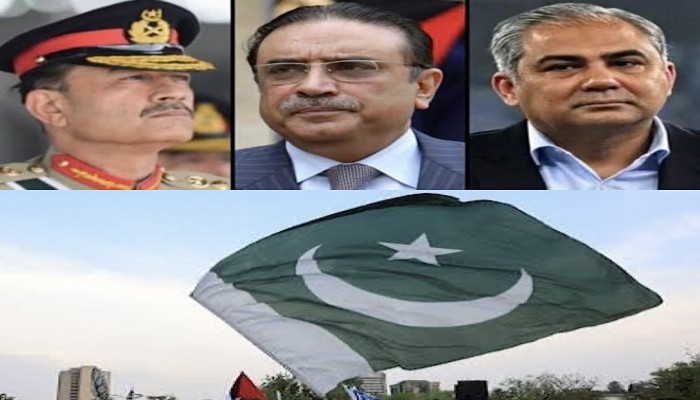
The Pakistan People’s Party (PPP) has made it clear that it will oppose any move to divide Sindh. Party chairman Bilawal Bhutto Zardari and President Asif Ali Zardari reaffirmed their opposition to any territorial changes in the province during a meeting in London, sources close to Zardari told CNN-News18.
The meeting lasted nearly five hours and took place as debate over the creation of new provinces and administrative units gains momentum in Pakistan. Bakhtawar Bhutto Zardari also attended the meeting, according to sources.
The PPP leadership backed the Sindh Assembly’s position against any territorial changes to the province. The party said any discussion on creating new provinces should be based on political consensus. It remains firmly opposed to proposals that could divide Sindh, including suggestions to carve out Karachi or create a separate southern province.
The position comes after the Sindh Assembly unanimously rejected proposals to divide the province or establish new administrative units without the provincial legislature’s approval. Sindh Chief Minister Murad Ali Shah also defended the province’s territorial unity while speaking during an adjournment motion.
“Today, it will become clear who wants the division of Sindh and who opposes it," Shah said.
Shah said any questions related to Sindh’s boundaries should go through the constitutional and parliamentary process. He also criticised the fact that the issue was first discussed outside the provincial assembly.
Sindh holds major political importance for the PPP. The province remains the party’s strongest political base and its primary vote bank. Sources said any division of Sindh could affect the PPP’s majority in the Sindh Assembly. Changes to the province’s political and territorial structure could weaken the base that has supported the party’s long-standing dominance.
PPP sources also believe that dividing Sindh could damage the party’s economic and political strength. They see the province as an important economic engine for the party’s wider parliamentary influence. Any major territorial reorganisation could therefore have a direct impact on the PPP’s political standing.
The debate over new provinces has remained a sensitive issue in Pakistan. Proposals for smaller provinces and administrative units have raised questions around governance, representation, ethnic identity, language and regional interests. Supporters argue that smaller administrative units could improve governance and give regions better political representation. The PPP-led Sindh government, however, has presented the issue as a matter of territorial integrity and constitutional authority.
PPP sources also see a broader political motive behind the push for administrative restructuring. They view it as an attempt to decentralise political power and weaken civilian rule. The sources believe that changing provincial boundaries on terms supported by Pakistan’s military establishment could create a dangerous precedent for military involvement in civilian political affairs.
The issue has emerged at a time of increased political activity involving the PPP leadership, the federal government and Pakistan’s military establishment. Zardari and Bilawal have been in London as the debate over Sindh’s future continues. Interior Minister Mohsin Naqvi, who is regarded as being close to Pakistan’s military leadership, also recently met Zardari in London.
Political de-escalation was reportedly among the issues discussed during that meeting. The latest position from the PPP leadership now puts the party firmly against any proposal to alter Sindh’s territorial boundaries. The party has backed the Sindh Assembly’s authority and stressed that any future discussion on new provinces must involve political consensus and follow the constitutional process.



 Loading...please wait
Comments