




Seven lies in an hour: Iran rejects Trump's claims, threatens to close Hormuz again
- In Reports
- 01:59 PM, Apr 18, 2026
- Myind Staff
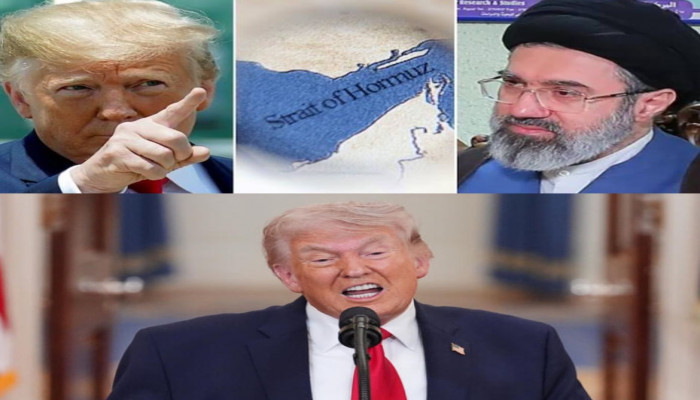
Tensions between Iran and the United States have escalated again after Iran strongly rejected statements made by Donald Trump, calling them inaccurate and misleading. Iran’s Parliament Speaker Mohammad Bagher Qalibaf accused Trump of making “seven false claims in one hour,” directly contradicting the US President’s remarks that the Strait of Hormuz remains fully operational and “open for business.”
Qalibaf made his response public on the social media platform X while Trump was addressing an event in Arizona. In his statement, he warned that if what Iran describes as a US blockade continues, the Strait of Hormuz would not remain open in its current form. He explained that any movement through the strait would have to follow a “designated route” and would require Iranian approval. His remarks highlighted that control over the vital waterway could tighten depending on how the situation develops.
Reiterating his criticism, Qalibaf said Trump made “seven claims in one hour,” all of which were “false,” although he did not detail each claim individually. He stressed that such “lies” would not help in either war or negotiations. He also cautioned that continued pressure from the US would directly affect the status of the Strait. According to him, decisions regarding the Strait of Hormuz would depend on real actions rather than statements made on social media platforms.
The exchange reflects a broader pattern of both countries using online platforms to communicate major developments and counter each other’s narratives. Qalibaf pointed out that media influence and shaping public opinion have become key elements of the ongoing conflict. He made it clear that Iran would not be influenced by what he described as media tactics or messaging from the US side.
Earlier developments added to the confusion. Qalibaf had previously stated that the Strait of Hormuz was open for business, even as he maintained that a US blockade was still in place. Around the same time, Iran’s Foreign Minister Abbas Araghchi announced that the Strait would remain open for commercial shipping during a ceasefire period. These mixed signals created uncertainty both within Iran and internationally.
Financial markets reacted positively to the initial suggestion that the strait would remain open. Falling crude oil prices and renewed optimism led to gains in the stock market. However, the situation on the ground told a different story. Shipping activity through the Strait of Hormuz remained limited, reflecting ongoing concerns and a lack of clarity about the region’s stability.
Iranian state-affiliated Fars News Agency also questioned Araghchi’s statement, calling it unexpected and noting that it had caused confusion among the public in Iran. This internal disagreement further highlighted the lack of a clear and unified message regarding the future of the strategic waterway.
Meanwhile, Trump continued to make bold claims about developments involving Iran. Posting on Truth Social and speaking to media outlets, he said Iran had agreed to an “unlimited” suspension of its nuclear programme. Iranian officials have not confirmed this claim. In another statement, Trump said Iran would hand over its “nuclear dust,” referring to enriched uranium, but Tehran has firmly denied any such agreement.
Additional remarks from Trump included a claim that Israel would stop bombing Lebanon, followed by his statement, “Enough is enough.” These comments added another layer to the already complex geopolitical situation, though no official confirmation came from the parties involved.
On the Iranian side, Ebrahim Rezaei shared that the Iranian Parliament is preparing a draft law focused on the Strait of Hormuz. The proposed legislation aims to strengthen control over the passage and may include charging transit fees for ships moving through the strait.
Overall, the situation remains tense and uncertain. Conflicting statements, both within Iran and between Iran and the US, continue to create confusion. While official claims suggest openness and negotiation, actual conditions in the region indicate caution and reduced activity. The future of the Strait of Hormuz now depends heavily on how both sides act in the coming days rather than what they say publicly.



 Loading...please wait
Comments