




Serum Institute to manufacture University of Oxford’s clinical trial doses of Ebola vaccine
- In Reports
- 01:27 PM, Jun 02, 2026
- Myind Staff
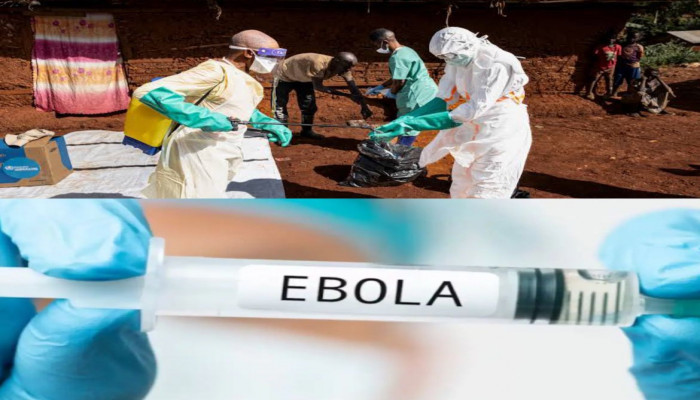
The Serum Institute of India (SII) will manufacture clinical trial doses of an experimental Ebola vaccine being developed by the University of Oxford. The move follows fresh funding announced by the Coalition for Epidemic Preparedness Innovations (CEPI) to speed up the development of vaccines against the rapidly spreading Bundibugyo ebolavirus outbreak in Africa.
CEPI has committed up to $8.6 million to support preclinical testing and the early stages of development of the Oxford vaccine candidate. Clinical-grade doses of the vaccine will be manufactured by Pune-based SII. The funding is aimed at accelerating efforts to tackle the growing outbreak and prepare the vaccine for human trials.
The support comes as health authorities continue efforts to control the spread of Bundibugyo ebolavirus in the Democratic Republic of the Congo (DRC) and neighbouring Uganda. The outbreak has raised serious concerns among global health agencies. The World Health Organisation has declared it a Public Health Emergency of International Concern. The Africa Centres for Disease Control and Prevention has also classified it as a Public Health Emergency of Continental Security.
According to CEPI, there are currently no licensed vaccines available for the Bundibugyo strain of Ebola. It also said that no vaccine candidates for this strain are presently in clinical development. This has increased the urgency to develop effective vaccines as quickly as possible.
The Oxford-SII vaccine candidate is part of a wider CEPI programme worth more than $60 million. The initiative is focused on accelerating the development of three experimental vaccines against the Bundibugyo strain of Ebola. One of the programmes is being led by Moderna and has secured funding of up to $50 million, according to a Reuters report released earlier this week.
The Oxford vaccine is based on the ChAdOx1 platform. This is the same technology that was used to develop the Oxford-AstraZeneca Covid-19 vaccine during the pandemic. The latest funding will be used to create a Master Virus Seed stock and prepare the vaccine candidate for Phase 1 clinical trials.
“At moments like this, speed, scale and access is all that matters,” Adar Poonawalla, CEO of the Serum Institute of India, said in a statement.
He added that the company would use its manufacturing capabilities to help advance the vaccine candidate quickly. He also said SII would support affordable access for affected countries if the vaccine proves successful during development and testing.
Professor Teresa Lambe, head of vaccine immunology at Oxford Vaccine Group, said the programme is being carried out in partnership with CEPI and global collaborators, including SII. She said the joint effort is aimed at helping contain the ongoing outbreak and limiting its impact.
The Oxford candidate is one of three investigational Bundibugyo Ebola vaccines selected by CEPI for accelerated development. The organisation said the three candidates are based on different vaccine technologies. This approach is intended to increase the chances of developing a safe and effective vaccine against the virus.
The latest initiative further strengthens the partnership established during the Covid-19 pandemic. During that period, SII emerged as one of the world's largest manufacturers of the Oxford-AstraZeneca vaccine. The experience gained through that collaboration is expected to support the rapid development and production of the new Ebola vaccine candidate.
SII is expected to play a major role in manufacturing doses required for early-stage clinical trials. Global health organisations are working to prevent the outbreak from spreading further across the region. Fast vaccine development is being viewed as a key part of those efforts.
According to CEPI, the outbreak has already led to hundreds of suspected deaths and infections. It is now considered one of the largest filovirus outbreaks on record. Health experts believe that accelerating vaccine development and ensuring quick access to successful candidates will be critical in controlling the disease and preventing further loss of life.



 Loading...please wait
Comments