



Saudi-Pakistan defence pact will not include Turkey, Officials say
- In Reports
- 07:28 PM, Feb 01, 2026
- Myind Staff
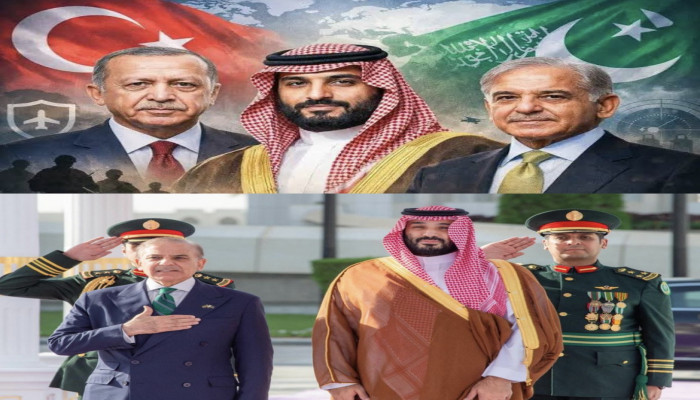
Saudi Arabia and Pakistan’s mutual defence pact will not include Turkey, officials said, putting an end to reports that Ankara was set to become part of the security arrangement. A source close to the Saudi military made this clear in a statement to Agence France-Presse (AFP), dismissing earlier claims that the pact might expand into a trilateral alliance involving Turkey.
The source told AFP, “Turkey won’t join the defence pact with Pakistan.” The official also stressed that the agreement between Riyadh and Islamabad is a bilateral pact with Pakistan and will remain a bilateral pact.
Another Gulf official backed this view, saying the defence tie-up is strictly between Saudi Arabia and Pakistan. “This is a bilateral defensive relationship with Pakistan. We have common agreements with Turkey, but the one with Pakistan will stay bilateral,” the Gulf official said.
Earlier this month, a Turkish official had suggested that talks were underway about Ankara joining the pact. That had led to speculation that the security arrangement might grow into a broader alliance among the three countries amid rising regional tensions.
Those tensions come against the backdrop of recent events in the Middle East, including Israeli air strikes in Doha over the summer targeting Hamas officials, followed by Iran’s bombing of a US air base in Qatar. These developments had sparked talk of an expanded security grouping involving Saudi Arabia, Pakistan and Turkey, but the latest official statements have put those reports to rest.
The defence agreement between Saudi Arabia and Pakistan was announced last year and has drawn attention, in part because of questions about its scope. One topic of interest has been whether the pact includes any nuclear component, since Pakistan is a nuclear-armed country.
The Pakistan-Saudi pact was signed only a few months after Pakistan and India engaged in a fierce four-day conflict in May this year that caused significant loss of life. More than 70 people on both sides were killed during intense firing involving missiles, drones and artillery. It was described as the worst clash between the two nuclear-armed neighbours since 1999.
Pakistan and India have a long history of mutual accusations that each backs militant forces to destabilise the other. These tensions continue to shape regional security dynamics.
Saudi Arabia is widely believed to have played a key diplomatic role in calming the May conflict, using its influence to help reduce the immediate tensions. At the same time, Riyadh has remained careful to maintain strong relations with New Delhi, even as it strengthens defence ties with Islamabad.
India’s growing economy depends heavily on imported petroleum, and Saudi Arabia is one of its most important suppliers. According to India’s Ministry of External Affairs, Saudi Arabia ranks as the country’s third-largest source of petroleum imports, underlining the importance of economic links with Riyadh even as strategic and military relationships evolve in the region.
Despite earlier reports about discussions involving Turkey, the latest statements from Gulf and Saudi sources make it clear that Ankara will not be joining the Saudi-Pakistan defence pact at this time. The relationship will stay strictly between Saudi Arabia and Pakistan, with no formal role for Turkey in the defence agreement, officials confirmed.
Saudi Arabia and Pakistan have reaffirmed that their mutual defence pact remains a bilateral agreement, and nothing has changed in terms of who is part of that pact. All reports suggesting that Turkey was joining or discussing membership were dismissed by the officials, who stressed that the agreement’s scope is fixed as between Riyadh and Islamabad only.



 Loading...please wait
Comments