




Saudi Arabia's Delta Energy signs oil, natural gas exploration agreements with Afghanistan
- In Reports
- 10:36 PM, Sep 09, 2026
- Myind Staff
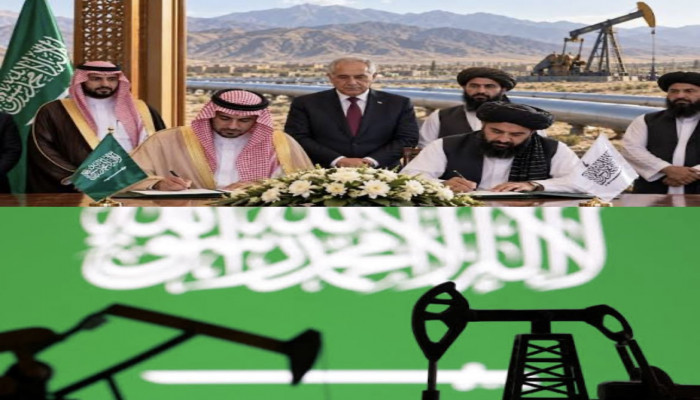
Saudi Arabia’s Delta Energy Group has signed major agreements with Afghanistan’s Ministry of Mines and Petroleum to explore oil and gas resources across 9,000 square miles in western Afghanistan. The agreements could open the door to billions of dollars in future investment in the country’s energy sector.
The agreements signed Monday include oil and gas exploration in Herat province, a natural gas utilisation study, and a proposed 435-mile gas pipeline.
Under the main agreement, Delta Energy will explore the Kushk-Tirpul contract area in western Herat, spanning 9,000 square miles. The company will conduct seismic surveys, exploratory drilling, reservoir evaluations, geological and geophysical studies to assess the region’s hydrocarbon potential. These studies will help determine the size of the resources and whether they can be developed on a commercial scale
Delta Energy will also finance a study on the utilisation of natural gas in Herat. The study will examine potential gas supplies for the Herat Industrial Park, Herat city and other approved areas. It will assess how natural gas could support industries, electricity generation and other energy needs in the region.
A separate agreement focuses on a proposed gas pipeline. Delta Energy has described the project as the “CentGas–Corridor of Prosperity.” The proposed pipeline would stretch around 435 miles. It would connect a gas receipt point near Guzara district in Herat with a delivery point near Spin Boldak in Kandahar.
The pipeline could create a new domestic and regional energy corridor and support the movement of natural gas between different parts of Afghanistan. As per Delta Energy estimates, the pipeline project will require $10 billion in investment over 10 years.
Afghanistan’s acting Minister of Mines and Petroleum Hedayatullah Badri called the agreement an important step towards developing the country’s hydrocarbon resources. He said cooperation with Delta Energy could help strengthen Afghanistan’s energy security and support economic activity.
US Special Representative for Afghanistan Zalmay Khalilzad attended the ceremony in Kabul along with senior Taliban officials and executives from Delta Energy. Khalilzad served as the US special envoy for Afghanistan and later worked as the US special representative for Afghan peace negotiations.
Khalilzad welcomed the agreement and said Afghanistan’s strategic geographic position and significant natural resources could help connect Central and South Asia. Though Khalilzad is no longer part of the US government and now works as a private citizen, his presence carries a special significance. He continues to remain involved in Afghanistan’s political and economic affairs even after leaving official government service.
Afghan media reports said Khalilzad also attended high-level meetings involving Taliban Deputy Prime Minister Abdul Ghani Baradar, Delta Energy executives and other officials. His participation in the meetings and the signing ceremony has raised questions about his role in the agreements.
It remains unclear whether Khalilzad helped arrange or influence the deals. His involvement has attracted attention given the scale of the projects and the fact that they cover an area of about 9,000 square miles in Afghanistan.
The agreements come as the Taliban authorities continue to face diplomatic isolation from much of the international community. At the same time, companies and investors have shown growing interest in Afghanistan’s natural resources and its strategic location.
Delta Energy is a Saudi-based independent energy group involved in oil and gas exploration, natural gas projects, pipelines and energy infrastructure. Its latest agreements with Afghanistan could mark a significant move into the country’s energy sector.
The projects could also have wider economic implications if exploration confirms commercially viable oil and gas reserves. The proposed gas pipeline, meanwhile, could require major long-term investment and potentially improve Afghanistan’s domestic energy network while creating links with regional markets.



 Loading...please wait
Comments