




Saudi Arabia announces biggest oil price cut in decades as global demand weakens
- In Reports
- 04:14 PM, Jul 07, 2026
- Myind Staff
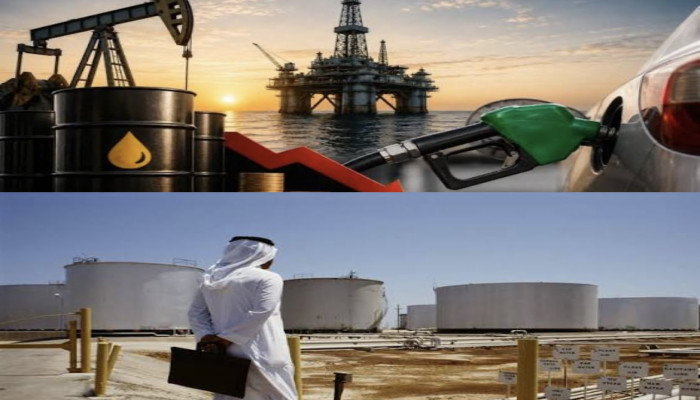
Saudi Arabia has announced its biggest cut in crude oil prices in decades as global oil markets face growing supply and weaker demand after recent geopolitical developments. The move marks the first major price reduction since the country's oil price war in 2020. Saudi Arabia aims to stay competitive as more oil enters the international market and buyers gain access to cheaper alternatives.
According to a price list published on Monday and reported by Bloomberg, Saudi Aramco, the country's state-owned oil producer, has reduced the official selling price of its Arab Light crude for next month by $11 per barrel. The new price places the crude at $1.50 below the regional benchmark. This is the largest monthly cut in Saudi Arabia's official selling prices since at least 2000.
The Kingdom had previously offered discounted oil prices during two major price wars in 2020 and 2015. The latest reduction reflects changing conditions in the global energy market. Oil producers now face stronger competition as supplies continue to rise across the region.
Producers in the Persian Gulf have increased oil exports through the Strait of Hormuz following the interim agreement between the United States and Iran. The rise in shipments has added more crude to the market and increased pressure on oil prices. As a result, producers have started lowering their prices to attract buyers and protect their market share.
Despite the sharp reduction announced by Saudi Aramco, several crude oil buyers in Asia believe Saudi oil still costs more than supplies from other producers in the region. According to the Bloomberg report, some Asian buyers said that Saudi crude remains more expensive even after the latest price cut. This highlights the intense competition among oil-exporting countries as buyers compare prices from different suppliers.
Saudi Arabia has long played a leading role in the global oil market. The country has often adjusted its oil production to influence global prices and maintain market stability. It has increased or reduced output depending on market conditions and its own economic priorities. This approach has helped Saudi Arabia maintain its position as one of the world's most influential oil producers.
In the past, Saudi Arabia reduced production to support oil prices and keep the market balanced. At other times, it entered price wars to defend its share of the market. The country followed this strategy during the oil price wars of 2015 and 2020. The latest price reduction shows that Saudi Arabia continues to respond quickly to changing global market conditions.
Saudi Arabia and its partners in the OPEC+ alliance recently agreed to gradually increase oil production by lifting supply quotas over time. The decision will allow more crude oil to enter international markets in the coming months. Higher production levels are expected to increase supply further and keep pressure on global oil prices.
The ongoing progress in the United States-Iran peace process has also influenced oil markets. Although negotiations have faced a few challenges, both countries continue to move forward with the interim agreement. The improving relationship has encouraged Gulf producers to expand exports and take advantage of smoother trade conditions.
Large volumes of crude oil are now moving through the Strait of Hormuz, one of the world's most important energy shipping routes. The increase in oil flows has strengthened global supply and created a more competitive market for exporters. Producers now compete more aggressively on pricing as they try to secure buyers in major importing regions such as Asia.
Saudi Arabia's latest decision reflects the changing balance between supply and demand in the global energy market. The country continues to adjust its pricing strategy as new supplies reach buyers and competition grows among producers. While the Kingdom remains a key player in global oil markets, recent developments show that it must also adapt to shifting market conditions and changing customer preferences.
The latest price cut stands as one of Saudi Arabia's strongest pricing moves in over two decades. The decision highlights the growing impact of rising oil supplies, stronger regional competition and changing trade dynamics. Market participants will now closely watch whether other major oil producers respond with similar price adjustments in the coming weeks.



 Loading...please wait
Comments