




Saudi air defences shoot down ballistic missiles targeting oil refineries
- In Reports
- 09:17 PM, Jul 25, 2026
- Myind Staff
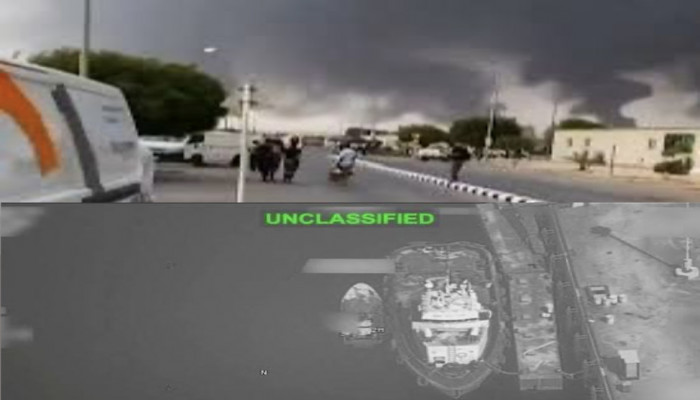
Saudi Arabia’s air defence systems intercepted two ballistic missiles launched from Yemen targeting oil refineries in Yanbu, according to Greek security sources who informed Reuters. The missile strikes came just a day after the United States launched fresh air strikes on Iran. The Saudi civil defence issued multiple warnings to residents of Yanbu, a city on the Red Sea, before declaring the threat had passed. Another alert was issued for Jizan, a port city near the Yemeni border about 1,000 kilometres to the south. At this time, there have been no official reports of damage.
The defence systems that intercepted the missiles were operated by Greek military personnel. Greece has deployed a U.S.-made Patriot air defence battery in Saudi Arabia since 2021 under an agreement to help protect the kingdom’s energy infrastructure from attacks. This deployment highlights the increasing international cooperation to safeguard critical energy assets amid rising regional instability.
The missile attacks follow heightened rhetoric from U.S. President Donald Trump, who on Friday threatened "major military punishment" for Tehran and its Houthi allies in Yemen. This threat came after the Houthis claimed to have struck two Saudi tankers in the Red Sea on Thursday. The Houthis, controlling northern and western Yemen, recently declared a naval blockade on Saudi Arabia. In response, Saudi Arabia has rerouted millions of barrels of oil daily through pipelines to the Red Sea, avoiding the Strait of Hormuz, which remains effectively blockaded by Iran.
A Saudi-led coalition engaged in the conflict against the Houthis in Yemen said it recently targeted Houthi military sites following the attacks on the Saudi tankers. The situation escalated after the U.S. military launched air strikes on Iran late Thursday into Friday, marking the 13th consecutive night of such attacks. No new U.S. strikes were reported on Saturday. This wave of military action followed the collapse of an interim truce intended to end the war. In retaliation, Iranian forces fired at U.S. bases in neighbouring Arab countries and warned they could target non-military buildings housing U.S. personnel.
President Trump has increased pressure on Iran in recent days, threatening to expand the scope of military targets to include Iran’s energy plants and bridges. He also mentioned plans to send ground forces to seize Kharg Island, Iran’s oil hub, and to bomb a deep-underground site linked to its nuclear program, known as Pickaxe Mountain. Despite these warnings, Trump noted on Friday that no decision had been made on new major strikes. He told reporters at the White House, "We are talking to them. I think they're being serious. I think ... they are being by far the most serious that we've seen them, but that doesn't mean we get there."
When asked about a potential exit strategy for the conflict with Iran, Trump outlined two options. He said, "There's a military exit where we just keep going just the way we are, and we can even make it a heavier dose, and it's knocking out everything they have. Or there's a smarter strategy that you make a deal." He showed preparedness for either path, adding, "We're locked and loaded. We're ready to go."
The conflict centers around the strategic Strait of Hormuz, a vital waterway leading into the Gulf. This region has seen months of violence, causing thousands of deaths and contributing to global inflation and fears of an economic downturn. The recent Houthi-imposed naval blockade of the Red Sea marks a significant escalation that could further disrupt global oil supplies. Already, Brent North Sea oil prices have risen to $100 a barrel for the first time since May.
Meanwhile, diplomatic efforts show signs of movement. Sources reveal that Pakistan is exploring ways to revive stalled U.S.-Iran talks, following a push initiated by China. Iranian Interior Minister Eskandar Momeni visited Islamabad twice in the past ten days for exploratory discussions, aiming to find a possible way forward in ending the conflict. This suggests that behind the scenes, some parties are seeking a diplomatic resolution amid the ongoing military confrontations.
The volatile situation in the region remains a critical concern due to its impact on global energy markets and geopolitical stability. With missile attacks being intercepted and threats of major military action looming, the developments in Saudi Arabia, Yemen, Iran, and involving global powers underline the fragile balance between conflict and diplomacy at this crucial juncture.



 Loading...please wait
Comments