




Russia under scrutiny after Iranian precision drone strikes hit CIA facilities
- In Reports
- 02:28 PM, Jul 23, 2026
- Myind Staff
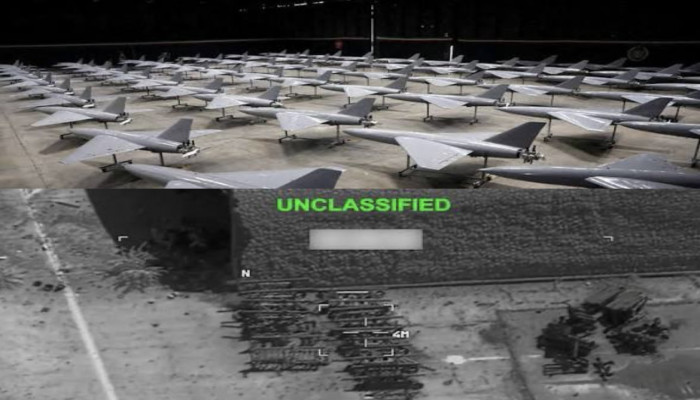
U.S. intelligence agencies are investigating whether Russia helped Iran carry out drone attacks on CIA facilities in the Gulf by providing targeting information or advanced drone technology. Four people familiar with the investigation said analysts have not reached a final conclusion. However, they are examining the precision of the strikes and Russia's long-standing military support for Iran as possible signs of Moscow's involvement.
The officials, who spoke on the condition of anonymity due to the sensitive nature of the investigation, said the attacks raised serious questions inside the U.S. intelligence community. Reuters and other media outlets had earlier reported that Russia provided targeting support and other assistance to Iran in attacks on U.S. targets across the Gulf. U.S. officials also acknowledged that cooperation. However, the current investigation into Russia's possible role in attacks on CIA facilities has not been reported before.
Reports from Reuters and other media said at least two CIA sites came under attack in March. One strike hit the CIA station located inside the U.S. Embassy in Riyadh, Saudi Arabia. Another targeted a separate CIA site in eastern Iraq. Some sources said Iranian drones also struck additional CIA facilities. They declined to reveal their locations or provide further details.
An internal memo prepared by a Western intelligence agency suggested that Russia likely played a role in helping Iran target CIA facilities in the region. An official with access to the document described its findings while requesting anonymity and did not identify the agency that prepared it.
Two Western officials in the Gulf, who had reviewed intelligence reports, said analysts believed Iran used two Russian-enhanced Shahed drones in the attack on the U.S. Embassy in Riyadh. According to them, one drone created a hole in a weak section of the embassy's outer wall. The second drone then flew through the opening and exploded inside. The attack caused damage but no deaths or injuries.
Russia and Iran have maintained close military ties for years. Intelligence officials believe direct Russian assistance in attacks on sensitive CIA facilities would show Moscow's willingness to expand its role in challenging U.S. operations in the region. These concerns increased after Iran launched ballistic missiles at a U.S. air base in Jordan over the weekend. The strike hit army barracks and killed two American soldiers.
The White House referred questions about the matter to the CIA. The agency declined to comment. Iran's mission to the United Nations, the Russian Defence Ministry and the Saudi government also did not respond to requests for comment.
Officials in the Gulf said Russia has helped Iran improve the range and effectiveness of its Shahed drones. Intelligence analysts suspect Iran used these upgraded drones during the Riyadh attack. Another source said Russia supplied Iran with the Kometa-M satellite navigation system for its Shahed-136 drones. Experts say the system offers greater accuracy and resists electronic jamming better than Iran's own navigation technology.
The Wall Street Journal first reported in March that Russia had supplied the Kometa-M system to Iran. The Kremlin rejected the report and called it "fake news."
The CIA operates several types of facilities overseas. Its main offices in many countries are known as stations and usually operate inside U.S. embassies. The agency also maintains safe houses, logistics hubs, surveillance centres and other operational sites. Authorities closely protect the locations of these facilities.
The sources did not reveal how many CIA facilities Iranian drones struck. One source estimated the number was "more than one and fewer than a dozen." Another source simply said several facilities had been hit.
U.S. intelligence analysts are also trying to determine whether Iran relied on Russian targeting data during the embassy attack in Riyadh. The investigation remains ongoing, and officials have not reached a final assessment.
Some intelligence officials urged caution while reviewing the evidence. They said Iran may have intended to target the U.S. Embassy itself, and the CIA station inside the building may have been struck by chance. Even so, several analysts believe very few countries have both the capability and the motivation to gather and share such highly sensitive intelligence for attacks on U.S. facilities. According to the sources, Russia remains one of the few nations that fits that profile.
Daniel Hoffman, a former CIA station chief and undercover operations officer, said possible Russian assistance would not be surprising considering the close relationship between Moscow and Tehran.
"They share an interest in trying to reduce or eliminate U.S. influence altogether in their self-designated spheres of influence," he said.
The investigation continues as U.S. intelligence agencies examine evidence from the attacks. Officials are working to determine whether Russia directly helped Iran identify and strike CIA facilities or whether Tehran acted independently using its own intelligence and military capabilities.



 Loading...please wait
Comments