



Russia threatens to bomb UK and European drone-making facilities
- In Reports
- 05:31 PM, Apr 16, 2026
- Myind Staff
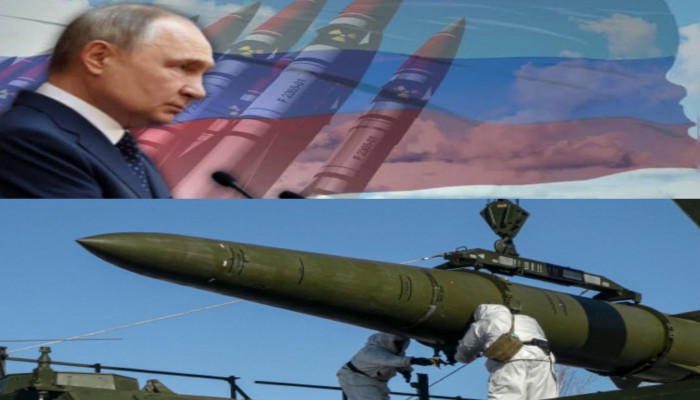
Russia has issued a strong warning to several European countries, including the United Kingdom, by naming specific locations it claims are linked to drone production for Ukraine. The Kremlin has described these locations as “potential targets,” raising concerns about a wider escalation of the ongoing war. The list includes sites in London, Leicester, Reading, and Suffolk. One of the highlighted locations is in Mildenhall, Suffolk, which is also home to an RAF base.
The warning extends beyond the UK. Russia has also identified factories and facilities across Germany, Denmark, Latvia, Lithuania, the Netherlands, Poland, and the Czech Republic. These sites are allegedly involved in producing drones for Ukraine. Additionally, Russia claims that components used in drone manufacturing are being produced in Germany, Spain, Italy, the Czech Republic, Israel, and Turkey. This broad list suggests Moscow is closely monitoring supply chains supporting Ukraine’s military.
Dmitry Medvedev, the deputy head of Russia’s Security Council, reinforced the message with a statement on X. He wrote, “Sleep well, European partners!” He further stated, “Russian Defence Ministry’s statement must be taken literally: the list of European facilities which make drones & other equipment is a list of potential targets for the Russian armed forces. When strikes become a reality depends on what comes next.” His remarks indicate that Russia is framing these facilities as legitimate military targets if tensions continue to rise.
The Russian Defence Ministry has accused European nations of deliberately escalating the conflict by increasing drone production for Ukraine. It described these actions as a “deliberate step leading to a sharp escalation of the military-political situation across the entire European continent and the creeping transformation of these countries into Ukraine's strategic rear area.” The ministry warned that continued involvement could lead to “unpredictable consequences,” suggesting the possibility of direct confrontation.
The statement also attempted to address European citizens directly. It said, “The European public should not only clearly understand the true causes of the threats to their security but also know the addresses and locations of 'Ukrainian' and 'joint' enterprises producing drones and components for Ukraine on the territory of their countries.” This messaging appears aimed at increasing public pressure within Europe by highlighting potential risks.
These warnings come at a time of intensified military activity. Russia recently launched a large-scale overnight attack on Ukraine using 324 drones and three ballistic missiles. Ukrainian air defences intercepted 309 of the drones, but the strikes still caused significant damage. At least 15 people were killed and around 90 others were injured. The attack followed a brief ceasefire during Orthodox Easter, making the escalation more noticeable.
In Kyiv, a 12-year-old boy was among the victims, highlighting the human cost of the conflict. In the southeastern city of Dnipro, three people were killed. Russian strikes also hit civilian infrastructure. In Sloviansk, a powerful FAB-1500 glide bomb weighing 1.5 metric tons destroyed a children’s sports facility, which was considered a local landmark. In Dnipro, two universities were damaged overnight. Academic buildings, dormitories, and nearby homes were affected. The blast shattered more than 1,000 windows in surrounding areas, and officials confirmed there were no military targets in the vicinity.
Ukraine has continued its own drone operations inside Russian territory. According to Russia’s Defence Ministry, its air defences intercepted 85 Ukrainian drones overnight. One such attack targeted an industrial facility in Sterlitamak, a city located about 1,300 kilometres from the Ukrainian border. Regional governor Radiy Khabirov said several drones were shot down over the city’s industrial zone. However, debris from the attack caused a fire at one facility, and one person was killed.
In another incident, two children aged five and fourteen were killed in a Ukrainian drone strike in Russia’s Krasnodar Krai region. These developments show that both sides are increasingly using drone warfare, with civilian areas often caught in the crossfire.
Ukrainian President Volodymyr Zelensky has emphasised the urgent need for stronger air defences. He said, “Every day we need air defence missiles - every day Russia continues its strikes.” His statement reflects Ukraine’s ongoing struggle to protect its cities from frequent aerial attacks. Zelensky has been actively seeking international support to strengthen Ukraine’s defence capabilities.
In recent diplomatic efforts, Zelensky visited three European capitals within 48 hours. His goal was to secure additional military and financial aid. Germany and Ukraine agreed on a defence package worth 4 billion euros, while Norway pledged 9 billion euros in assistance. These commitments highlight continued European backing for Ukraine.
Italy has also shown interest in expanding cooperation. Italian Prime Minister Giorgia Meloni said, “Italy in particular is very interested in developing joint production, especially in the area of drones, a sector in which we know well that Ukraine, in recent years, has become a leading nation.” Her remarks underline Ukraine’s growing expertise in drone technology.
Despite these developments, Ukraine faces financial constraints. While it has developed advanced air defence systems and gained valuable battlefield experience, it lacks the funds needed to scale production. Zelensky is urging European countries to contribute more to a fund that allows Ukraine to purchase American-made weapons, particularly the Patriot air defence system.
Data shared by Ukrainian Defence Minister Mykhailo Fedorov shows the scale of Russian attacks. Between November and March, Russia launched 27,000 Shahed-type drones, nearly 600 cruise missiles, and 462 ballistic missiles at Ukraine. This sustained pressure has made air defence a top priority for Kyiv.
Zelensky is also promoting joint weapons production agreements with European partners. These include plans for manufacturing drones and missiles. At the same time, Ukraine is pushing the European Union to quickly deliver a promised loan of 90 billion euros to support its war effort.
Military coordination among Ukraine’s allies continues. Defence Ministers from around 50 countries held an online meeting to discuss ongoing support. The meeting was chaired by German Defence Minister Boris Pistorius and British Defence Secretary John Healey, with NATO Secretary-General Mark Rutte also participating.
Ahead of the meeting, Britain announced it would send 120,000 drones to Ukraine this year. This marks its largest drone delivery so far. However, officials did not provide a timeline for when these drones would be delivered.
Recent assessments by Western officials suggest that Ukraine’s military efforts have gained some momentum. Ukrainian forces have disrupted Russia’s spring offensive and carried out effective long-range strikes. According to Ukraine’s top military commander, Oleksandr Syrskyi, troops recaptured nearly 50 square kilometres of territory last month. He also reported that Ukrainian operations struck 76 Russian targets in March, including 15 oil refining facilities.
However, challenges remain. The ongoing conflict in the Middle East has affected global supplies of advanced air defence missiles, which Ukraine urgently needs. Financial pressures are also increasing. NATO Secretary-General Mark Rutte emphasised the importance of continued focus, stating, “We cannot lose sight of Ukraine” amid other global conflicts.
The situation remains tense, with both sides escalating their strategies. Russia’s warning to Europe marks a significant shift, raising fears that the conflict could extend beyond Ukraine’s borders if current trends continue.



 Loading...please wait
Comments