



Russia pledges to stand with China on Taiwan issue, urges Japan ‘to weigh up’ hasty militarisation
- In Reports
- 01:12 PM, Dec 29, 2025
- Myind Staff
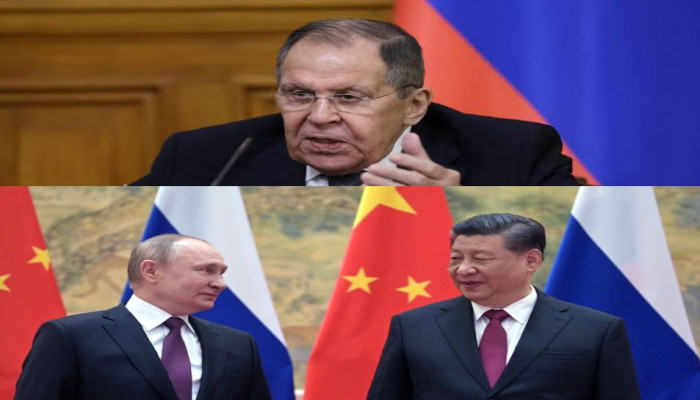
Russia has said it will stand by China if tensions over Taiwan turn into a serious conflict, according to remarks made by Russian Foreign Minister Sergei Lavrov. He made these comments in an interview with Russia’s state-run Tass news agency that was released on December 28, at a time when tensions related to Taiwan are also affecting relations between China and Japan.
In the interview, Lavrov stated that Russia’s position is clearly defined in its existing agreements with China. Speaking about a possible crisis in the Taiwan Strait, he said, “As for the possible escalation in the Taiwan Strait, the procedure for acting in such situations is set forth” in a treaty between the two countries. He added that “one of the basic principles” of this agreement is “mutual support in defending national unity and territorial integrity.” His comments indicate that Moscow would back Beijing if a conflict were to break out over Taiwan.
Lavrov also directed strong criticism towards Japan, accusing its leadership of moving quickly towards militarisation. He referred to recent increases in Japan’s defence spending under Prime Minister Sanae Takaichi’s administration and described this trend as concerning. According to him, Russia sees these steps as a deliberate push by Japan to strengthen its military posture.
In a clear warning to Tokyo, Lavrov said Russia is urging Japan to carefully consider the impact of its actions. He was quoted as saying that Russia urges Japan to “weigh up” the possible consequences before making any sudden decisions related to militarisation. He further added, “Our Japanese neighbours should have weighed everything properly before taking any hasty decisions.”
These remarks come after comments made by Japanese Prime Minister Sanae Takaichi in a parliamentary session in November. During that session, Ms Takaichi said that a Chinese attack on Taiwan could be seen as a “survival-threatening situation” for Japan. She also suggested that such a scenario could lead to Japan’s defence forces becoming involved, particularly in support of the United States.
The situation has been further complicated by ongoing military cooperation between China and Russia. Over the past several years, the two countries have carried out joint bomber flights in the region. These operations have drawn criticism from Japan. Japan’s Defence Ministry has described these joint flights as “clearly intended for demonstration of force against Japan.”
The Taiwan issue remains a deeply sensitive topic in the region. China and Taiwan have been governed separately since 1949, following the end of a civil war. Taiwan operates as a democratic entity, while China is ruled by the Communist Party. Beijing considers Taiwan a renegade province and has repeatedly stated that it must be unified with the mainland, using force if necessary.
Lavrov’s comments highlight Russia’s strong alignment with China on issues of sovereignty and territorial integrity, particularly concerning Taiwan. At the same time, his warnings to Japan reflect growing concerns in Moscow over Japan’s defence policies and its stance on regional security issues.
The statements underline rising tensions in East Asia, especially involving China, Japan, Russia, and the United States, with Taiwan remaining at the centre of these geopolitical concerns.



 Loading...please wait
Comments