




Russia may halt Kazakh oil supply to Germany via key pipeline from May 1
- In Reports
- 01:38 PM, Apr 22, 2026
- Myind Staff
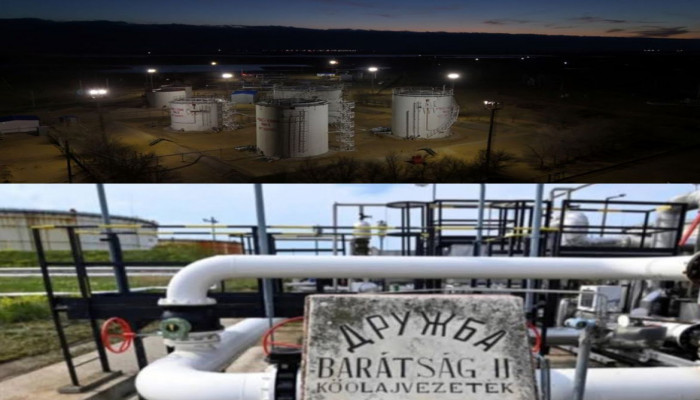
Russia is preparing to stop the flow of oil from Kazakhstan to Germany through the Druzhba pipeline starting May 1, according to three industry sources. The information was shared with Reuters on the condition of anonymity. These sources said that a revised oil export schedule has already been communicated to both Kazakhstan and Germany.
If the halt takes place, it could create fresh uncertainty for Germany’s energy supply. This comes at a time when global fuel markets are already under pressure due to disruptions caused by the war in Iran. The situation is particularly sensitive for Germany, which has only recently moved away from its long-standing dependence on Russian energy following the Ukraine conflict.
Kazakhstan has been supplying oil to Germany through Russia using the Druzhba pipeline. In 2025, these exports reached 2.146 million metric tons, which is about 43,000 barrels per day. This marked a 44 per cent increase over 2024. In the first quarter of 2026 alone, supplies stood at 730,000 tons, showing the growing importance of this route.
A complete suspension of these supplies would have a significant impact. It would remove nearly 17 per cent of the total oil processed annually by Germany’s PCK refinery located in Schwedt. This refinery is one of the largest in the country and handles up to 12 million metric tons of oil each year. The fuel produced here is crucial, as it powers 9 out of 10 cars in the Berlin and Brandenburg region.
So far, there has been no official confirmation of the move. Russia’s energy ministry did not immediately respond to requests for comment. Kremlin spokesperson Dmitry Peskov also said he was not aware of any decision to stop exports. “We will try to check it,” Peskov told reporters on a daily conference call.
Authorities in Kazakhstan and Germany have also not responded to requests for clarification on the matter.
Energy relations between Russia and Germany have been strained since the start of the Ukraine war. Germany stopped receiving Russian oil after the conflict began. In 2022, Berlin placed the German subsidiaries of Russia’s largest oil company, Rosneft, under trusteeship. This marked a major shift in Germany’s energy policy and its efforts to reduce reliance on Russian resources.
Since 2023, Kazakhstan has stepped in to supply oil to the PCK refinery using the northern branch of the Druzhba pipeline, which passes through Poland. However, these supplies have not been entirely stable. There have been repeated disruptions due to Ukrainian drone attacks targeting the Russian section of the pipeline.
Poland has indicated that alternative arrangements are possible if needed. A spokesperson for PERN, the country’s pipeline operator, said the company is ready to transport oil for non-Russian stakeholders of the PCK refinery through the port of Gdansk if requested. The refinery’s shareholders include Rosneft, Shell, and Eni, reflecting a mix of international and Russian interests.
The potential halt in Kazakh oil flows highlights the fragile state of energy supply chains in Europe. It also shows how geopolitical tensions continue to affect critical infrastructure and fuel availability. For Germany, which has been working to secure stable energy sources, this development could pose another challenge in maintaining a consistent fuel supply for its industries and consumers.



 Loading...please wait
Comments