




Russia, China block UN resolution on Strait of Hormuz, Pakistan abstains voting
- In Reports
- 01:37 PM, Apr 08, 2026
- Myind Staff
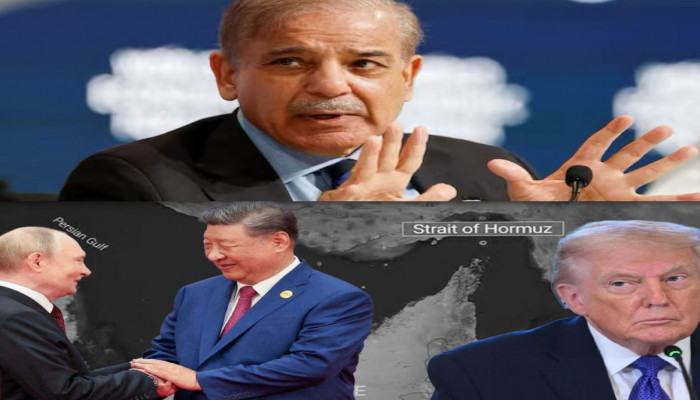
Pakistan chose to abstain from voting on a United Nations Security Council resolution that called for Iran to reopen the Strait of Hormuz. The move came at a time of rising tensions in West Asia and is being seen as a careful diplomatic decision. By not voting in favour or against the resolution, Pakistan signalled that it did not want to fully align with either the Arab-backed group or Western nations on this issue.
The resolution was drafted by Bahrain and had the support of the United States. It focused on reducing tensions in the region and demanded the immediate reopening of the Strait of Hormuz. This waterway is one of the most important global shipping routes, especially for oil. A large share of the world’s oil supply passes through this narrow stretch, making its closure a serious concern for global energy markets.
The situation worsened after the conflict between the United States, Israel, and Iran. In response, Iran effectively shut down the Strait of Hormuz, disrupting the movement of oil and increasing uncertainty worldwide. The resolution aimed to address this by urging Iran to allow free passage once again. It also included calls for de-escalation to prevent further instability in the region.
Despite several attempts to make the resolution acceptable to all members, it failed to pass. Russia and China used their veto power to block it. Both countries argued that the proposal did not fully address the deeper issues and complexities in the region. They believed that the resolution lacked balance and did not consider the broader political and security concerns involved in the conflict.
Diplomatic sources revealed that there were multiple rounds of negotiations before the final vote. The draft resolution went through at least six revisions to address concerns raised by different members of the council. These changes included adjustments related to regional security guarantees and a more detailed consideration of the tensions in the Gulf region.
The initial version of the resolution was stronger and included provisions that would have allowed Gulf countries to use force to protect the shipping route. However, this part was later removed to make the draft more acceptable and to gain wider support. Even after these changes, Russia and China remained opposed and decided to veto the measure.
In the 15-member Security Council, the resolution received strong support from most countries. Eleven members voted in favour of it. These included Bahrain, the Democratic Republic of the Congo, Denmark, France, Greece, Latvia, Liberia, Panama, Somalia, the United Kingdom, and the United States. However, the veto by Russia and China prevented the resolution from being adopted.
Pakistan and Colombia were the only two countries that chose to abstain from voting. Pakistan’s decision reflects a cautious and balanced approach, as it avoided taking a clear side in a highly sensitive geopolitical issue. This stance highlights the complexities countries face when dealing with conflicts that involve major global powers and regional alliances.
The failure of the resolution shows the deep divisions within the United Nations Security Council. It also highlights the challenges in reaching a unified response to crises involving powerful nations. The ongoing situation in the Strait of Hormuz continues to be a major concern, as it directly impacts global trade and energy supplies.



 Loading...please wait
Comments