



Relief for oil companies as government slashes excise duty on petrol and diesel by ₹10
- In Reports
- 05:27 PM, Mar 27, 2026
- Myind Staff
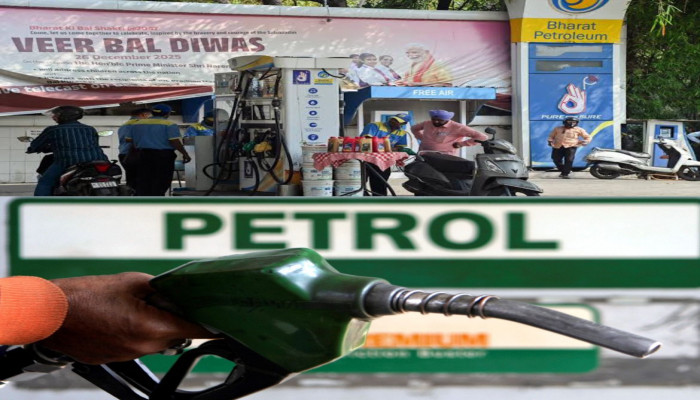
The government has announced a reduction in excise duty on petrol and diesel by ₹10 per litre each, offering what appears to be relief amid rising global fuel concerns. The decision comes at a time when international crude oil prices have been fluctuating due to the ongoing conflict in West Asia.
According to an official order issued on Thursday, the special excise duty on petrol has been reduced from ₹13 per litre to ₹3 per litre, marking a ₹10 cut. In the case of diesel, the duty has been completely removed, bringing it down from ₹10 per litre to zero. While this move suggests a major policy shift, the benefit is not being directly passed on to consumers. Instead, the reduction is being used to compensate oil marketing companies for the financial losses they have been facing due to volatile global crude prices.
The backdrop of this decision lies in the uncertainty surrounding oil markets, largely influenced by geopolitical tensions in West Asia. Crude oil prices had surged sharply in recent weeks, creating pressure on fuel-importing countries like India. However, some stability returned to the market following remarks by US President Donald Trump. He indicated that discussions with Iran were progressing positively and that there could be a pause in hostilities. These comments helped ease market fears, leading to a slight cooling in crude prices.
Despite this temporary relief, the government has taken a cautious approach. It has chosen to absorb part of the financial burden instead of passing the entire cost increase onto consumers. Oil Minister Hardeep Singh Puri explained the situation, stating, “international crude prices had surged sharply in the past month, rising from around $70 per barrel to nearly $122 per barrel, leading to significant fuel price increases globally.” He further noted that the government had to decide whether to pass the full impact to consumers or share the burden. According to him, the duty cut reflects an effort to balance both concerns.
Alongside the excise duty changes, the government has also revised export taxes on petroleum products. The export tax on diesel has been increased to ₹21.5 per litre. Aviation turbine fuel (ATF) now carries an export tax of ₹29.5 per litre. However, petrol exports will continue to remain exempt from such duties. These changes indicate a broader strategy to manage domestic fuel availability while maintaining control over exports.
There is also a focus on regional cooperation. Fuel exports by public sector units to neighbouring countries such as Nepal, Bhutan, Bangladesh, and Sri Lanka will remain exempt from these revised duties. This ensures that India continues to support its neighbouring economies without disruption.
In a separate but related move, the government has introduced relief measures for the aviation sector. Domestic aviation fuel has been made tax-free, and basic duty relief has been extended to foreign-going aircraft. This effectively provides a 100% tax exemption for fuel used for such operations. The aim is to make Indian airports more competitive as global refuelling hubs and improve the cost efficiency for airlines operating international routes.
Meanwhile, the stock market response to these developments has been mixed. Shares of oil marketing companies initially saw a rise after the announcement, but failed to maintain momentum due to broader market weakness. Companies such as HPCL, BPCL, and IOC have been under pressure in recent weeks. HPCL even touched its 52-week low earlier this week, while the others continue to trade below their peak levels.
The impact of these duty changes on oil companies will depend on how global crude prices behave in the coming weeks and how retail fuel pricing is managed domestically. For now, the government’s approach appears focused on maintaining stability in a volatile environment while ensuring that both consumers and oil companies are protected from sudden shocks.



 Loading...please wait
Comments