



Reigniting Civilisational Dialogue on Family, Society, and Global Order: Vasudhaiva Kutumbakam Ki Oar 4.0 concludes in Mumbai
- In Reports
- 07:27 PM, Jan 23, 2026
- Myind Staff
.jpeg)
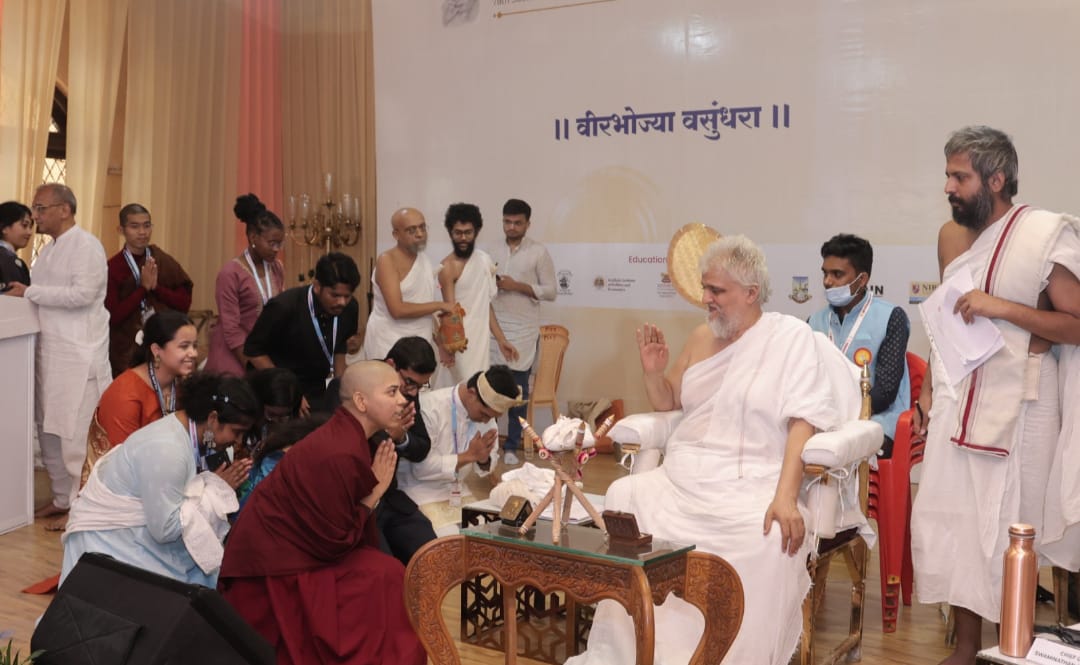
Mumbai, January 2026: The week-long Vasudhaiva Kutumbakam Ki Oar 4.0 conclave and exhibition, supported by the Ministry of External Affairs, concluded at August Kranti Maidan, leaving a lasting impact on thousands of visitors. Organised by Jyot Foundation, the initiative brought together policymakers, jurists, diplomats, scholars, students, families, and youth to explore how ancient Indian wisdom can guide today’s complex world. The conclave also saw the signing of an MoU with the University of Mumbai to strengthen academic engagement with civilisational studies. The event was held under the aegis of Jainacharya Yugbhushansuri Maharaj Saheb.
At the heart of Vasudhaiva Kutumbakam Ki Oar 4.0 was a 20,000+ sq ft immersive exhibition showcasing 12 timeless ancient Indian principles linking the individual to family, society, nation, and the world. Designed as a reflective journey with storytelling, visual design, and light-and-sound installations, it helped visitors experience values as lived realities. Gajendra Singh Shekhawat and Amruta Fadnavis were among the dignitaries who visited and appreciated the initiative.
The conclave unfolded over seven days with a carefully curated mix of high-level panel discussions, experiential formats, and youth-led platforms. The opening ceremonies set the tone by reaffirming the relevance of civilisational thinking in contemporary governance, law, economics, and social life. Eminent jurists, including B. N. Srikrishna and Bhushan R. Gavai, underlined how constitutional values, justice, and morality cannot remain disconnected from society’s ethical foundations.
The Legal Track emerged as one of the most attended segments of the conclave. Panels on Constitutional Jurisprudence, Rule of Law, Accountability, and Justice examined the philosophical underpinnings of governance. Senior advocates Krishnan Venugopal, Darius Khambata, Rafique Dada, Jamshed Cama, Chetan Kapadia and Additional Solicitor General of India, S Dwarakanath, engaged in nuanced discussions on the balance between authority and accountability, institutional coordination, and the moral responsibility of the state. These sessions drew significant participation from law students and young professionals, reinforcing the conclave’s emphasis on shaping future leadership.
The Economic and Geopolitics panels addressed global instability, decolonisation of economic thought, and the search for alternative development models. Thought leaders Dr. Arvind Gupta, S Gurumurthy, Vijay Chauthaiwale, Shaurya Doval, Amb. Ruchira Kamboj, and Soumya Kanti Ghosh highlighted the structural limitations of prevailing global frameworks and stressed the need for ethical balance, inclusivity, and long-term sustainability.
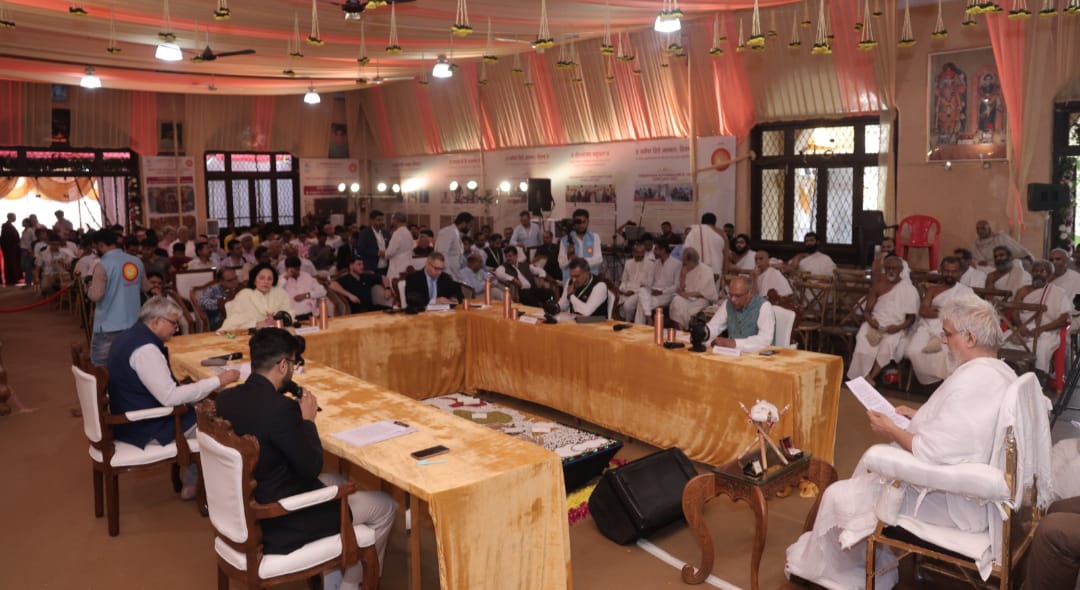
Beyond formal sessions, the conclave blended culture, art, and community participation through street plays and light-and-sound experiences, turning August Kranti Maidan into a vibrant public classroom. Over seven days, Vasudhaiva Kutumbakam was explored as a practical framework for coexistence, with organisers emphasising that the conclave marks the beginning of a continuing journey rooted in values, responsibility, and shared humanity.
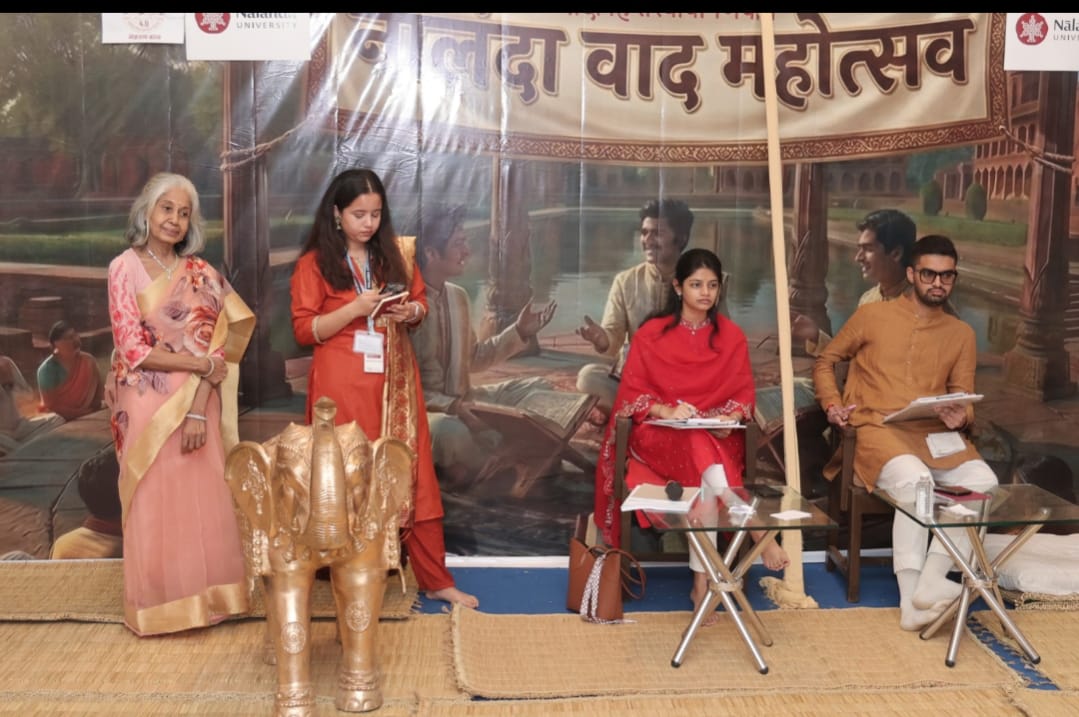
Youth engagement remained a defining feature of Vasudhaiva Kutumbakam Ki Oar 4.0. Platforms such as the Moot Court, Model United Nations (MUN), and Nalanda Vaad debates enabled students to grapple with real-world questions of law, diplomacy, and philosophy. These forums did more than simulate institutions; they encouraged participants to reflect on purpose, duty, and the deeper consequences of decision-making. Educators and parents noted the rare opportunity for young people to engage with civilisational ideas in a contemporary, relevant format.



 Loading...please wait
Comments