




Red Sea, Hormuz security threat drives up war-risk insurance by over 1000%
- In Reports
- 06:52 PM, Jul 23, 2026
- Myind Staff
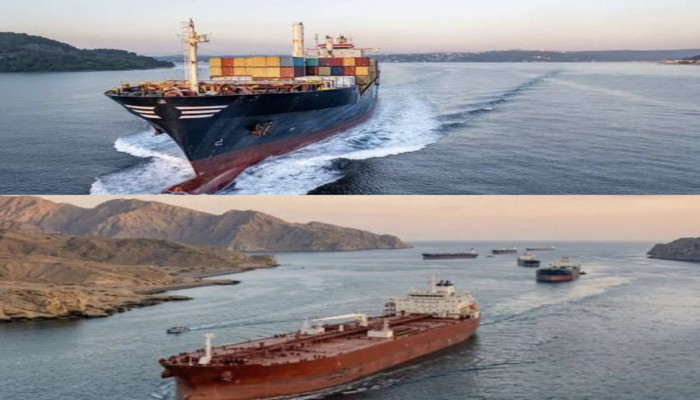
Rising tensions in the Middle East are driving up the cost of transporting oil across some of the world's most important shipping routes. The biggest concern for global oil markets is no longer limited to crude prices. The cost of moving oil safely has also increased sharply as war-risk insurance premiums continue to rise. Shipping companies now face growing security threats in the Strait of Hormuz and the Red Sea, two key routes for global energy trade.
Fresh attacks and increasing security concerns have started to affect shipping activity across both waterways. Oil supplies continue to move, but shipowners have become more cautious while planning voyages. Some vessels have delayed their journeys, changed routes or reviewed their travel plans. These developments have raised concerns over higher transport costs for crude oil and petroleum products. Insurers, shipping companies and energy traders now expect geopolitical risks to remain high for a longer period.
War-risk insurance premiums for ships travelling through the Gulf have increased significantly in recent months. According to Equirus Raghnall Insurance Broking, premiums on voyages through high-risk regions have jumped by 200% to 300%. Some routes have recorded increases of more than 1,000%.
The brokerage said insurance costs for the riskiest voyages have increased from nearly 0.2% to 0.5% of a vessel's value to around 3% to 5%. It also warned that a prolonged disruption could increase insurance costs for Russian crude shipments to India. Such a situation would also raise the landed cost of crude imports for the country.
"War-risk insurance is typically the first component to react to heightened geopolitical tensions. Even without a formal closure of the shipping lane, insurers and reinsurers are likely to reassess the risk, leading to higher war-risk premiums, tighter underwriting and, in some cases, reduced capacity. If the threat persists, premiums for transiting the affected region could increase several-fold, adding materially to voyage costs," Amit Goel, Director, Equirus Raghnall Insurance Broking, said.
Industry estimates show that even a small rise in war-risk insurance can add hundreds of thousands of dollars to the cost of a seven-day voyage. This sharp increase has made shipping through conflict-prone regions much more expensive.
Security concerns have also intensified in the Strait of Hormuz and the Red Sea as the conflict involving the United States and Iran continues. The situation has forced several shipping companies to reconsider their operations across these routes.
On Thursday, Yemen's Houthi militia claimed responsibility for attacks on two Saudi Arabian oil tankers. A Saudi news agency later confirmed that one of the vessels caught fire after the attack while it was sailing through the Red Sea.
Earlier this month, several oil tankers either stopped or reversed their course after some shipowners received emails from the Houthi group. The messages warned vessels against visiting Saudi ports. One tanker, Xin Long Yang, later resumed its original journey towards the Bab el-Mandeb Strait.
These incidents have unsettled global energy markets. Oil shipments have not stopped, but shipping companies have become more cautious while operating through these strategic waterways. The Strait of Hormuz and the Red Sea remain vital routes for the movement of crude oil across the world.
India could also face higher crude import costs if tensions continue. Higher war-risk insurance premiums, along with increased hull and machinery exposure and additional security expenses, are expected to raise the landed cost of crude imported into the country. Insurance remains only one part of overall logistics costs. However, continued increases in war-risk pricing could significantly affect import economics, especially for cargo originating from or passing through West Asia.
"The Indian marine insurance market is estimated at approximately Rs 5,500 crore to Rs 5,800 crore. We expect marine insurance pricing to remain firm in the near term, with geopolitical developments continuing to influence war-risk premiums. A sustained easing of tensions, however, could help moderate pricing pressures over time. However, for now, war-risk cover is likely to remain the main pressure point," Goel said.
A Bloomberg report published earlier this month stated that London-based marine insurers were receiving fewer enquiries for voyages through the Strait of Hormuz. Some insurers also reported that the cost of providing cover had increased. The trend reflects growing caution among shipowners as the United States and Iran continue to exchange attacks.
The latest developments show that the impact of the Middle East conflict now extends beyond regional security. Higher insurance costs, changing shipping patterns and rising transport expenses are increasing pressure on global oil trade. If tensions remain high, shipping costs are likely to stay elevated and import-dependent countries such as India may continue to face higher crude import bills.



 Loading...please wait
Comments