




Rajnath Singh approves transfer of technology from DRDO to Indian defence companies
- In Reports
- 08:07 PM, Aug 25, 2026
- Myind Staff
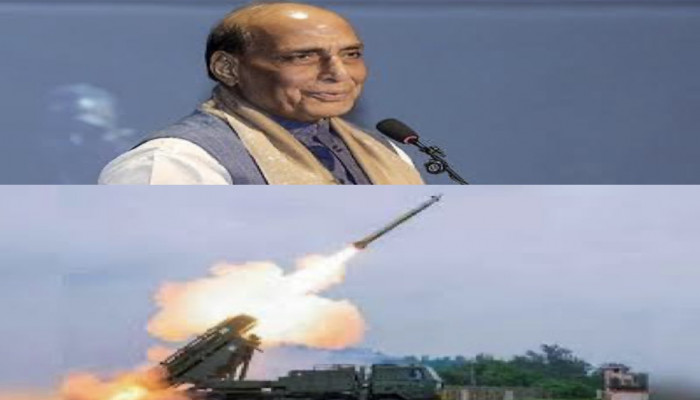
Defence Minister Rajnath Singh has approved the transfer of technology for all conventional missile systems developed by the Defence Research and Development Organisation (DRDO) to eligible Indian defence companies for production within the country. The Ministry of Defence announced the decision on Tuesday, calling it an important step towards expanding domestic missile manufacturing and strengthening India’s defence industrial base.
The move will allow qualified Indian companies to manufacture conventional missile systems developed by the DRDO. Companies will have to meet the required qualifications, certifications and regulatory conditions before taking up production. The initiative is also expected to increase the participation of micro, small and medium enterprises (MSMEs) in the defence supply chain.
The decision is aimed at speeding up indigenous missile production and reducing India’s dependence on foreign suppliers. It will also give domestic companies a larger role in taking DRDO-developed technologies from the development stage to industrial-scale manufacturing.
Hindustan Times had first reported in October 2025 that the Defence Ministry had opened the development and manufacturing of missiles, artillery shells, ammunition and ordnance to private-sector companies. The latest approval builds on that move by allowing Indian industries to take up production of conventional missile systems developed by the DRDO.
The government sees the decision as another major step under its Aatmanirbhar Bharat initiative in defence. The Ministry of Defence said the transfer of technology would help move missile systems into large-scale production while strengthening the country’s domestic defence manufacturing capabilities.
"The objective is to enhance domestic manufacturing capabilities, strengthen the defence industrial base and create opportunities for the participation of Indian MSMEs and other technology partners in the supply chain," the ministry said.
The decision comes at a time when missile capabilities are becoming increasingly linked with surveillance, communication and precision-strike networks across India’s neighbourhood. Modern military operations rely on the integration of missiles with satellite-based intelligence, navigation and communication systems. Building a stronger domestic manufacturing base could therefore help India maintain and expand its critical defence capabilities.
A July analysis by the Centre for Aerospace Power and Strategic Studies (CAPSS) had highlighted the rapid growth of Pakistan’s space capabilities, particularly through its cooperation with China. The analysis noted that Pakistan’s Space & Upper Atmosphere Research Commission (SUPARCO) had launched six satellites in 16 months. This marked a sharp increase after decades of relatively slow progress in the country’s space programme.
The CAPSS analysis also said Pakistan was working to improve its independent space-based surveillance capabilities. It noted efforts to connect satellite intelligence with communication systems on the ground. Such developments could have implications for India’s defence planning as space-based intelligence, navigation and communication become more important to military operations.
China has played a significant role in supporting Pakistan’s space programme. The CAPSS analysis pointed to Chinese assistance in satellite launches, technology development and astronaut training. The expansion of Pakistan’s space capabilities has added to the wider regional security environment in which India is strengthening its own defence manufacturing capacity.
Against this backdrop, increasing domestic production of missile systems could help India sustain and expand critical weapons manufacturing. A stronger domestic supply chain would also reduce the country’s dependence on overseas suppliers for key defence requirements. It could provide greater flexibility in maintaining production during periods of supply disruptions.
The Ministry of Defence said the technology-transfer programme would also increase domestic value addition and support the expansion of India’s defence manufacturing sector. The initiative is expected to create more opportunities for private companies, MSMEs and other technology partners to become part of the country’s defence ecosystem.
"DRDO remains committed to working closely with Indian industry to facilitate the transfer and absorption of advanced defence technologies and to further strengthen the country's indigenous defence capabilities," it said.
The approval comes as the government continues to increase private-sector participation in defence production. India recorded its highest-ever defence production of ₹1.54 lakh crore in 2024-25. Defence exports also reached a record ₹23,622 crore during the year, according to government data.
The government has set a defence production target of ₹1.75 lakh crore for the current financial year. It has also set a longer-term target of ₹3 lakh crore in domestic defence production by 2029.
The latest DRDO technology-transfer decision is expected to support larger goals by giving Indian companies access to missile technologies developed within the country. It marks a further shift towards greater domestic ownership of defence production and aims to build a stronger, more capable and self-reliant Indian defence industry.



 Loading...please wait
Comments