




Pune researchers develop indigenous fuel that could replace LPG
- In Reports
- 07:01 PM, Mar 16, 2026
- Myind Staff
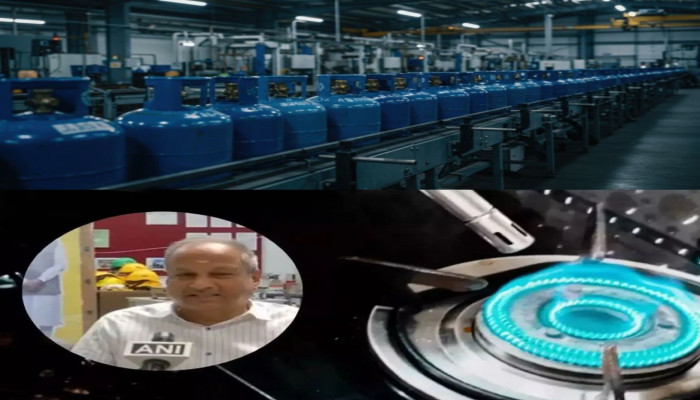
India’s dependence on imported cooking fuel may soon be reduced with the help of a new scientific development. Scientists at the CSIR-National Chemical Laboratory in Pune have created an indigenous technology to produce a synthetic gas called Dimethyl Ether (DME). This gas can be used as a substitute for Liquefied Petroleum Gas (LPG), which is commonly used in households for cooking. According to the institute, the innovation could play an important role in lowering India’s reliance on imported LPG and support the country’s goal of becoming more self-reliant in the energy sector.
Dimethyl Ether has attracted attention because it burns cleanly and has properties similar to LPG. These characteristics make it suitable for use in cooking and other applications. Since LPG is widely used across India, scientists believe that a fuel with similar characteristics could help provide a reliable alternative. The research team highlighted that DME not only works as a cooking fuel but can also be used in several other sectors, including transportation and certain industrial processes. This versatility makes it a promising energy option for the future.
One of the main motivations behind developing this technology is India’s heavy dependence on imported LPG. The country spends a significant amount of money on bringing cooking gas from other nations. If an indigenous substitute like DME becomes widely available, it could reduce this dependence and help the country save large amounts on fuel imports. Scientists believe such innovations are important for strengthening India’s energy security and developing a reliable reserve of domestic energy supplies.
The technology developed at the laboratory focuses on producing DME efficiently and making it practical for real-world use. Researchers have worked on creating a system that can generate this gas in a controlled manner while ensuring it can be used safely in everyday applications. Their efforts have not been limited to fuel production alone. They have also tested equipment that allows the fuel to be used effectively in kitchens and other settings where LPG is currently used.
As part of this work, the scientists have designed and tested a special burner that works with Dimethyl Ether. The burner prototype has been evaluated to ensure that the fuel burns properly and safely. This testing stage is important because it shows that the gas can be used practically for cooking purposes. The researchers explained that such trials are necessary before the technology can be introduced for large-scale use.
Apart from domestic cooking, the potential uses of DME extend to several other sectors. The fuel can be used in transportation systems and certain industrial operations as well. Because it burns more cleanly than many traditional fuels, it is also considered environmentally friendly. This cleaner combustion means it could help reduce harmful emissions when compared with some conventional fuels. Scientists say that these environmental benefits make the technology even more valuable in the long term.
The research team now plans to move the project to the next stage by scaling up the technology for larger production. Developing a process in the laboratory is only the first step. The real challenge lies in producing the fuel at an industrial scale. The scientists are working towards expanding the system to generate greater quantities of DME. If this stage is successful, the fuel could eventually be produced commercially and distributed more widely.
According to the institute, this innovation represents an important step toward strengthening India’s domestic energy capabilities. By creating a cleaner fuel that can potentially replace or supplement LPG, the researchers hope to contribute to both economic and environmental goals. Reducing import dependence, supporting energy self-reliance and promoting cleaner fuels are all part of the broader vision behind the project.
If the technology progresses successfully through the next stages of development, Dimethyl Ether could emerge as a practical alternative to LPG in the future. Such a development would not only help households but also support industries and transportation sectors. Scientists believe that innovations like this demonstrate how research and technology can offer solutions to some of the country’s most pressing energy challenges.



 Loading...please wait
Comments