




Protestors in Rawalakot declare ‘PoJK is not part of Pakistan’, warn of moving closer to India
- In Reports
- 03:24 PM, Jun 30, 2026
- Myind Staff
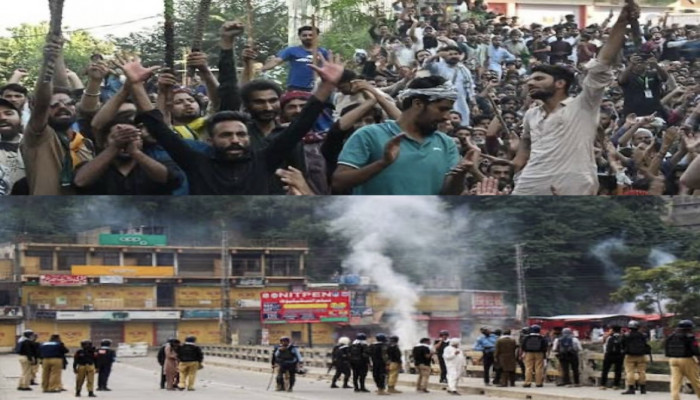
Thousands of people gathered at Eidgah ground in Rawalakot, Pakistan-occupied Jammu and Kashmir (PoJK), in one of the biggest protests the region has witnessed in recent months. The demonstrators openly declared that PoJK is not a part of Pakistan and warned that the people could move closer to India if Islamabad continues its current policies. The protest has added fresh political pressure on Pakistan as public anger continues to grow across the region.
The protest is part of a larger movement led by local activists, including civil rights activist Sardar Aman Khan. The campaign gained strength after Pakistani authorities allegedly imposed a two-week blockade on food supplies and other essential rations in the region. Protesters claimed that the restrictions created serious hardships for local residents and increased dissatisfaction with the administration.
Addressing thousands of supporters, Sardar Aman Khan delivered a strong message against Pakistan's administration. He said, "PoK is not a part of Pakistan. We do not need Pakistan; rather, it is Pakistan that desperately needs PoK." His remarks received loud applause from the crowd and reflected the growing frustration among the protesters.
The demonstrations have not remained limited to Rawalakot. Another group of protesters has continued a sit-in near the Line of Control (LoC) since June 9. The protest movement has spread across different parts of the region as more people join the campaign against Pakistan's administration.
Speaking during the gathering, Khan also warned Pakistan about the possible consequences if the alleged blockade continues. He said that residents could seek closer ties with India if the current situation does not change. He stated that if the Pakistani establishment keeps blocking food supplies, "the remaining borders of PoJK could open up." He further claimed that, in such a situation, Islamabad would eventually request the people of PoJK to stay.
His remarks highlighted the growing anger among sections of the population. Many protesters linked the alleged food blockade to wider concerns over governance and the way Pakistan has administered the region for decades.
The movement is based on a 38-point charter of demands prepared by the protesters. According to the organisers, the document highlights several long-standing issues affecting the people of PoJK. These include allegations of state repression, rising inflation, administrative neglect and the lack of attention to public welfare. Protest leaders said these concerns have remained unresolved for many years and have pushed people to launch the current agitation.
For more than three weeks, protesters have maintained a continuous sit-in at the Rawalakot protest site. They have stayed at the Eidgah ground throughout the day and night while continuing their campaign. The organisers said they will not end the protest until they achieve their demands. The long-running demonstration reflects the determination of the participants to keep pressure on the authorities.
The protesters also called for what they described as complete freedom from Pakistan's administrative control. They said the movement represents the voice of ordinary people who want major political and administrative changes in the region. The gathering in Rawalakot showed the growing support for the campaign among local residents.
The organisers also accused the Pakistani government of suspending internet services across the region from June 5. They alleged that the authorities took this step to stop information about the protests from reaching the international community. According to the protesters, the communication restrictions failed to stop the movement, which has continued despite the reported digital shutdown.
The protest leaders claimed that the agitation had attracted attention outside PoJK despite the internet suspension. They said supporters organised demonstrations outside Pakistani embassies and high commissions in several countries to express solidarity with the movement. According to the organisers, these events helped spread awareness about the situation in PoJK among international audiences.
The movement's leaders also maintained that they would continue their campaign until Muzaffarabad and the remaining parts of Pakistan-occupied Jammu and Kashmir are freed from Pakistan's administrative control. They repeated their commitment to continue peaceful protests and maintain public pressure on the authorities until they see concrete action on their demands.
The Rawalakot protest marks another significant development in the ongoing unrest in Pakistan-occupied Jammu and Kashmir. The large turnout and strong speeches reflected the growing dissatisfaction among many residents over the issues they raised. The movement continues to gather support as protesters remain at the demonstration site and insist they will continue their campaign until their demands receive attention from the authorities.



 Loading...please wait
Comments