




Precision strikes near Chabahar port spark strategic concerns for India
- In Reports
- 12:58 PM, Mar 17, 2026
- Myind Staff
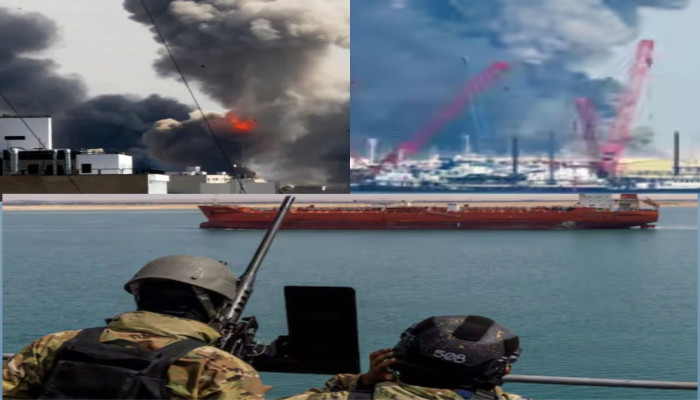
Recent reports suggest that the United States has carried out targeted airstrikes on Iranian military installations located close to the Chabahar Free Trade Zone. These strikes reportedly hit sites positioned along a mountainous ridge just behind the port area, causing loud explosions that were heard across the region. The development has once again drawn attention to the fragile security situation surrounding Chabahar, a location that holds immense strategic and economic importance for multiple countries.
Situated in Iran’s southeastern Sistan and Baluchestan province near the Pakistan border, the Chabahar Free Trade Zone occupies a critical geographic position. It acts as a key gateway for trade routes that connect South Asia with Central Asia and beyond, while avoiding traditional chokepoints. This unique location makes it highly valuable for regional players and global powers seeking to secure trade and influence in the region.
At the centre of this zone is Chabahar Port, which opens into the Gulf of Oman. Unlike Pakistan’s nearby Gwadar Port, Chabahar benefits from deep-water access throughout the year, unaffected by seasonal challenges such as silting. This advantage has made it an attractive hub for international trade and connectivity projects. Over time, it has emerged as a crucial link in broader efforts to strengthen Eurasian trade networks.
India has a strong stake in Chabahar’s development. In 2024, India signed a 10-year agreement with Iran, committing about $370 million through India Ports Global Ltd to upgrade the port’s infrastructure. This investment reflects India’s long-term vision of transforming Chabahar into a major trade corridor. The port is expected to support India’s ambitions of expanding its economy significantly in the coming decade by ensuring smoother trade flows and reducing dependence on other routes.
Beyond economic interests, Chabahar also plays a vital role in India’s strategic planning. It provides direct access to Afghanistan and Central Asia without passing through Pakistan, which has often been a barrier to land connectivity. This route strengthens India’s position in the region and allows it to maintain influence in areas which are otherwise difficult to access.
The port has also been used for humanitarian purposes. India has previously sent essential supplies such as food grains and medicines to Afghanistan through Chabahar, especially during times of crisis. This highlights the port’s importance not just for trade but also for regional stability and support.
However, the recent US airstrikes have raised serious concerns. The targeted sites were reportedly located only a few kilometres from the trade zone, increasing fears about potential risks to civilian and commercial infrastructure. Witness accounts described intense blasts and smoke rising from the area, underlining the proximity of military activity to a key economic hub.
For India, the situation is particularly worrying. Any escalation in tensions could disrupt its investment and affect cargo movement through the port. Chabahar is also a key part of the International North-South Transport Corridor, which aims to reduce shipping time between India and Europe significantly. Disruptions here could impact trade efficiency and increase costs.
Iran, on its part, has been trying to position Chabahar as a counter to China’s Gwadar Port, which is part of the Belt and Road Initiative. However, Iran’s involvement in regional conflicts and its military activities have often drawn international scrutiny, leading to incidents such as these airstrikes.
The broader geopolitical context cannot be ignored. The United States has long been critical of Iran’s role in the Middle East, particularly its alleged connections with armed groups in the region. Striking targets near Chabahar may signal a warning against expanding military presence close to important maritime routes.
Pakistan is also closely observing the developments. Gwadar Port, located not far from Chabahar, is a direct competitor. Any instability at Chabahar could shift trade advantages towards Gwadar, although it may also bring its own set of security challenges, especially given the history of insurgency in the region.
India now faces the challenge of balancing its relationships with both Iran and the United States. In the past, India has managed to secure exemptions from US sanctions to continue its work at Chabahar. It is likely that diplomatic efforts will be intensified to ensure that its interests remain protected.
There are also concerns about the impact on humanitarian operations. Afghanistan, already struggling with economic difficulties, relies on routes like Chabahar for essential supplies. Any disruption could worsen the situation and force India to explore less efficient alternatives.
Looking ahead, Chabahar has the potential to handle large volumes of cargo annually once upgrades are completed. It can boost trade in sectors such as energy, agriculture, and pharmaceuticals, while also benefiting Central Asian countries by giving them access to global markets.
Despite its promise, security risks remain a major concern. The region has witnessed attacks by insurgent groups in the past, and rising tensions could further complicate matters. The recent strikes highlight how closely economic infrastructure and military developments are linked in this region.
In conclusion, the airstrikes near Chabahar serve as a reminder of the challenges facing one of the most important trade hubs in the Indian Ocean region. For India, ensuring the safety and stability of this port is crucial, as it supports not only economic growth but also strategic independence and regional engagement.



 Loading...please wait
Comments