




PM Starmer unveils long delayed £15 billion defence investment plan
- In Reports
- 06:48 PM, Jun 30, 2026
- Myind Staff
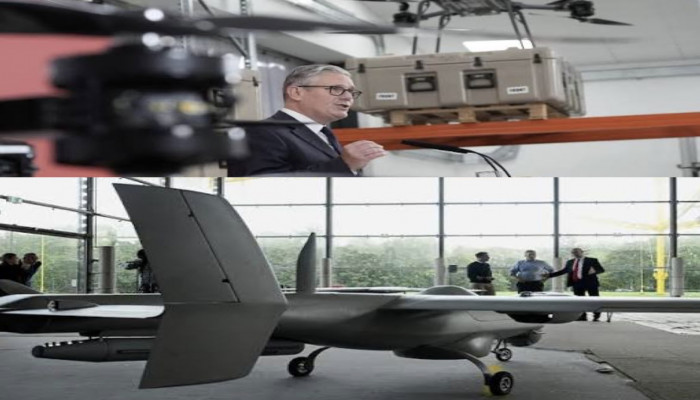
Prime Minister Keir Starmer has unveiled Britain's long-awaited Defence Investment Plan, announcing an additional £15 billion for the country's armed forces. He described the plan as the legacy of his time in office. The investment aims to prepare Britain for future conflicts by improving military capabilities and strengthening national security.
Starmer revealed the plan after last-minute discussions between the finance ministry and Britain's new Defence Minister, Dan Jarvis. He said these talks helped strengthen the final proposal and made it more ambitious than an earlier version. The previous draft had faced criticism and led to the resignation of his close ally, John Healey.
The new plan projects annual defence spending of almost £80 billion by 2029. Starmer will present the strategy at the NATO meeting in Ankara on July 7 and 8. The event is likely to be his final major foreign engagement as prime minister. He plans to show NATO allies that Britain remains committed to increasing defence spending to 3.5% of its Gross Domestic Product by 2035.
Starmer also accepted that another government could continue developing the strategy. His expected successor, Andy Burnham, is likely to take office as early as July 20. Referring to the future of the plan, Starmer said later governments could "build" on the blueprint. Despite the announcement, some critics argued that the investment plan arrived too late after a delay of more than nine months. They also questioned whether the additional funding would be enough to meet Britain's future defence needs.
Speaking at a defence company in southern England, Starmer explained why he believed the investment was necessary. He said, "When the world is arming and aggression is rising, the best way to avoid war is to prepare for it, the best way to defend is to deter - to have the strength to make your adversaries to think again before they act."
He added, "That is what we are delivering".
The Defence Investment Plan includes £5 billion for drones and autonomous weapons. The government wants to expand the use of advanced technology across the armed forces. The strategy also aims to create a hybrid Navy and make the British Army more effective and capable in modern warfare.
The government will also invest in strengthening Britain's nuclear deterrent. Another major part of the plan supports the development of a next-generation stealth fighter jet for the Royal Air Force. The project aims to improve Britain's air power while supporting the country's defence industry. The government expects these investments to create new jobs and support economic growth across the country.
Senior ministers welcomed the announcement and praised Starmer for securing the investment plan. They said the strategy would modernise Britain's military and improve its ability to respond to future security challenges.
The plan also received support from industry representatives. Matt Roberts, national officer of the GMB trade union, said the announcement brought confidence to a sector that had faced uncertainty for a long time. He welcomed the government's commitment to defence spending and said it could provide stability for workers and businesses linked to the industry.
Roberts said, "some stability for a sector besieged by insecurity".
He also stressed that the government's next challenge would be putting the plan into action. He said, "The challenge now is delivery - workers will judge this plan on real jobs, real investment, and real outcomes."
The Defence Investment Plan marks one of the biggest military spending commitments announced by Starmer's government. The strategy focuses on modern weapons, stronger armed forces, advanced technology and long-term defence readiness. The government hopes the investment will strengthen Britain's position within NATO, improve national security and prepare the country for future military challenges while supporting jobs and economic growth.



 Loading...please wait
Comments