




PM Modi’s Oman visit turns ancient ties into a modern partnership
- In Reports
- 05:58 PM, Dec 18, 2025
- Myind Staff
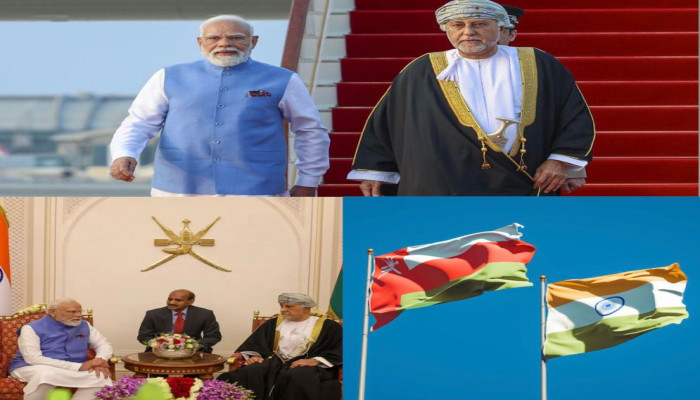
Prime Minister Narendra Modi wrapped up a significant two-day official visit to Oman, turning a centuries-old relationship between India and the Sultanate into a modern strategic and economic alliance. What began as a diplomatic visit became a high-stakes meeting with outcomes expected to influence both nations in a fast-changing global economy.
The Indian Ocean has for centuries connected the Indian subcontinent with the Arabian Peninsula. The shores of Muscat, Oman’s capital, have been a historic meeting point for trade, culture, and shared interests. But during this recent visit, these historical connections were shaped into forward-looking cooperation aimed at mutual growth and development.
Prime Minister Modi’s two-day visit to Oman was described as more than just a formality. It was seen as a renewed chapter in India-Oman relations, set against the backdrop of modern global challenges. Upon arrival in Muscat, Modi was welcomed with respect, including by senior Omani officials, highlighting the strong mutual regard between the two countries.
Oman has added Indian Prime Minister Narendra Modi to an elite global list by conferring on him its highest civilian decoration. PM Modi was awarded the First Class of the Order of Oman, the Sultanate’s top national honour, during his official visit. The prestigious award has previously been bestowed on some of the world’s most respected leaders and figures, including Queen Elizabeth II, Japan’s Emperor Akihito, Nelson Mandela, and King Abdullah II of Jordan.
On social media, PM Modi wrote, “Landed in Muscat, Oman. This is a land of enduring friendship and deep historical connections with India.” He added that the visit presented a chance “to explore new avenues of collaboration and add fresh momentum to our partnership.”
The Prime Minister also spent time with the Indian diaspora in Oman, underscoring the strong people-to-people ties that form the human foundation of the two nations’ relationship.
The most significant part of the visit was the signing of key strategic agreements between India and Oman. These agreements are expected to go beyond symbolism and provide a solid basis for deeper cooperation in various sectors.
A Joint Vision Document and an Executive Programme were signed, laying out mutual goals for cooperation. These documents are intended to help both countries work together in areas such as agriculture, food industries, innovation, and other fields that support economic growth and shared development.
In addition, four Memoranda of Understanding (MoUs) were inked between India and Oman. These cover:
- Cooperation in maritime heritage and museums.
- Joint efforts in scientific research, innovation, and skills development.
- Partnerships in agriculture and related sectors.
- Collaboration between the Oman Chamber of Commerce and Industry (OCCI) and the Confederation of Indian Industry (CII) to strengthen business ties.
The agreements signed in Muscat are seen as building blocks for broader economic cooperation. Both nations are moving toward the finalisation of a Comprehensive Economic Partnership Agreement (CEPA), a trade pact that could significantly boost commerce, investment, and strategic alignment across many sectors.
Officials and leaders from both sides have emphasised the importance of stronger economic linkages that go beyond traditional trade relationships. By focusing on deeper cooperation, India and Oman are positioning themselves to navigate global challenges together, while also opening new avenues for businesses and industries in both countries.
Diplomacy also carried a cultural dimension during the visit. In the evening, a formal state dinner was hosted in honour of Prime Minister Modi at the Al Bustan Palace Hotel in Muscat. The event was attended by senior officials, diplomats, and dignitaries from both India and Oman. While such dinners are ceremonial, they play a key role in strengthening personal ties between leaders and sending a message of mutual respect and friendship. According to observers, these gatherings help build trust that supports long-term cooperation beyond written agreements.
Analysts say this visit represents more than just another diplomatic trip. For India, Oman is not only a historical partner but also a gateway to wider cooperation in the Gulf region. By strengthening ties with Oman, India can expand its access to new markets, strategic ports, and economic networks that are important for trade and development.
By highlighting India’s over-8% economic growth and reinforcing strategic ties with Oman, Prime Minister Modi’s Muscat visit has positioned both nations to benefit from closer economic, cultural, and diplomatic engagement.



 Loading...please wait
Comments