



PM Modi speaks to UAE President, stresses safe navigation through Strait of Hormuz
- In Reports
- 02:13 PM, Mar 18, 2026
- Myind Staff
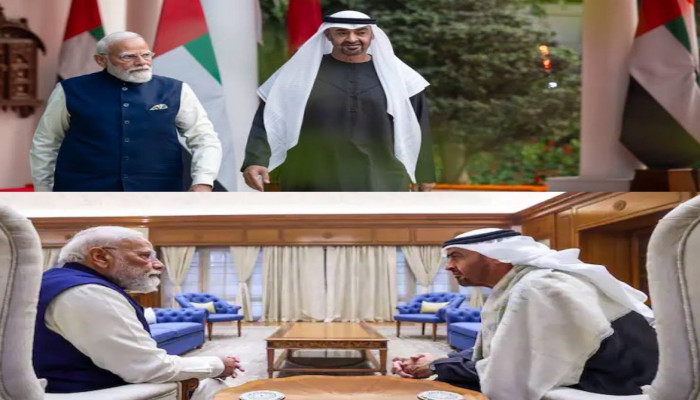
India has once again underlined the importance of maintaining safe and uninterrupted navigation through the Strait of Hormuz as tensions continue to rise in West Asia. Prime Minister Narendra Modi spoke with Sheikh Mohamed bin Zayed Al Nahyan on Tuesday to discuss the evolving situation in the region. The conversation comes at a time of heightened instability due to the ongoing conflict involving Israel, the United States, and Iran.
This marks the second phone conversation between the two leaders since the conflict escalated. Their continued engagement reflects the seriousness of the situation and the need for close coordination between India and the United Arab Emirates. Over the past few days, Modi has also been in touch with several leaders across West Asia, indicating India’s active diplomatic outreach during this critical period.
Taking to social media, Modi shared details of the conversation and stressed the mutual understanding reached during the call. “We agreed on the importance of ensuring safe and free navigation through the Strait of Hormuz,” he said. The Strait remains one of the world’s most crucial maritime routes for global oil trade, and any disruption could have serious economic consequences worldwide.
Modi also strongly condemned the recent attacks that have affected the UAE. He said, “Reiterated India’s strong condemnation of all attacks on the UAE that have resulted in loss of innocent lives and damage to civilian infrastructure.” These attacks have raised concerns not only for regional stability but also for the safety of civilians and foreign nationals living in the area.
India has been particularly worried about the safety of its large diaspora in West Asia. Around 10 million Indians live in the region, including nearly four million in the UAE alone. Reports indicate that several Indian nationals have been injured in drone and missile strikes carried out by Iran targeting infrastructure in the UAE. This has further increased India’s urgency to seek de-escalation and to ensure the protection of its citizens abroad.
During the conversation, Modi also extended advance greetings for Eid to Sheikh Mohamed bin Zayed. The exchange highlighted the friendly and cooperative ties between the two nations, even during challenging times. Modi expressed hope that both countries would continue working together to restore peace in the region. He said that India and the UAE will “continue to work together for the early restoration of peace, security and stability in the region.”
The recent call follows an earlier conversation between the two leaders on March 2, when Modi had similarly condemned attacks on the UAE and emphasised the need for peace and stability. India has consistently maintained its stance against violence and has called for diplomatic solutions to reduce tensions in the region.
In addition to his engagement with the UAE President, Modi has reached out to several other key leaders in West Asia. These include Saudi Crown Prince Mohammed bin Salman, Bahrain’s King Hamad Bin Isa Al Khalifa, Jordan’s King Abdullah II, Oman’s Sultan Haitham bin Tarik, Kuwait’s Crown Prince Sheikh Sabah Al-Khaled Al-Sabah, and Qatar’s Amir Sheikh Tamim bin Hamad Al Thani. These conversations reflect India’s broader effort to stay connected with regional powers and contribute to stability through dialogue.
The ongoing situation in West Asia remains fragile, with concerns over further escalation. India’s diplomatic approach highlights its dual priorities of ensuring regional peace and safeguarding its national interests. The emphasis on secure maritime routes, especially through the Strait of Hormuz, also points to the global implications of the conflict. As tensions persist, India continues to advocate for calm, cooperation, and a return to stability in the region.



 Loading...please wait
Comments