




PM Modi, Rodriguez hold talks to boost India-Venezuela energy partnership
- In Reports
- 09:35 PM, Jun 04, 2026
- Myind Staff
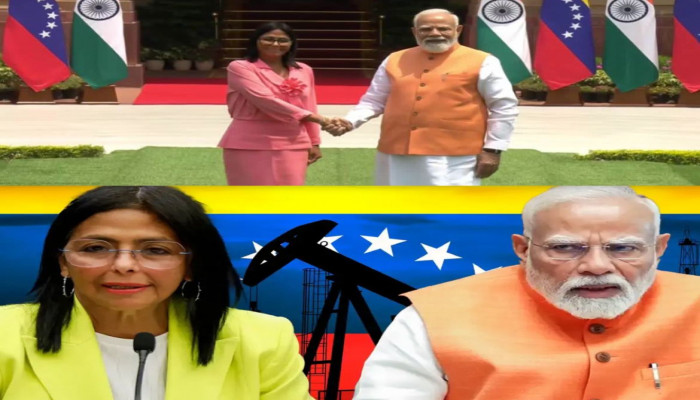
Prime Minister Narendra Modi held talks with Venezuelan Acting President and Vice President Delcy Rodriguez in New Delhi on Thursday, with both sides focusing on expanding cooperation in energy, trade and investment. The discussions reflected India’s growing engagement with the South American nation at a time when New Delhi is looking to strengthen its energy security and diversify crude oil supplies.
Rodriguez arrived in the national capital on Wednesday for a five-day visit to India. She is leading a high-level delegation that includes ministers responsible for foreign affairs, economy and finance, science and technology, communication and information, and transportation. The visit is aimed at reviewing the full range of bilateral relations and identifying new opportunities for cooperation between the two countries.
During the meeting, Modi and Rodriguez discussed ways to deepen collaboration in several key sectors. Energy security remained a major focus of the talks. The two leaders also explored opportunities in trade, investment, healthcare, transportation and other strategic areas. Officials said the discussions highlighted the increasing importance of India-Venezuela relations as global energy markets continue to undergo significant changes.
The visit comes at a crucial time for India’s energy strategy. The country has been working to secure stable and diversified sources of crude oil amid disruptions in global energy markets. Venezuela has emerged as an important supplier in this effort. Indian refiners have significantly increased purchases of Venezuelan crude oil in recent months, helping strengthen energy ties between the two nations. Venezuela has become one of India’s key oil suppliers as New Delhi seeks to reduce dependence on a limited number of sources.
India and Venezuela have traditionally shared strong relations, particularly in the energy sector. The latest discussions are expected to further strengthen those ties and open new avenues for cooperation. Along with energy, both countries are looking at expanding partnerships in pharmaceuticals, healthcare, renewable energy and transportation. The Venezuelan delegation is also expected to visit facilities connected to India’s energy, pharmaceutical and automotive industries to better understand the country’s industrial capabilities and identify future areas of collaboration.
External Affairs Ministry spokesperson Randhir Jaiswal said Delcy Rodriguez’s visit would further deepen bilateral relations and build on the momentum in the partnership between the two countries. His remarks reflected the positive outlook both governments have towards strengthening diplomatic and economic engagement.
Rodriguez assumed charge as Venezuela’s acting president after the detention of then President Nicolas Maduro by US forces in January. Since taking over, she has led efforts to strengthen Venezuela’s international partnerships, including its relationship with India. The current visit is seen as part of those efforts and comes amid renewed interest from both countries in expanding cooperation across multiple sectors.
India and Venezuela share a long history of energy cooperation. At one point, India was among the largest processors of Venezuelan heavy crude oil, importing more than 400,000 barrels per day. However, those imports came to a halt in 2020 following sweeping US sanctions and related compliance concerns. The situation has changed in recent months, allowing Indian refiners to once again increase purchases of Venezuelan crude and revive a key aspect of bilateral economic ties.
The renewed focus on energy cooperation is expected to play a major role in the future of India-Venezuela relations. As both countries look to strengthen trade and investment links, the discussions held in New Delhi are likely to provide fresh momentum to the partnership. Officials believe that closer cooperation in energy, healthcare, transportation and other sectors can create new opportunities for growth while reinforcing the long-standing relationship between the two nations.



 Loading...please wait
Comments