




PM Modi inaugurates Delhi–Dehradun Expressway, travel time cut to 2.5 hours
- In Reports
- 04:05 PM, Apr 14, 2026
- Myind Staff
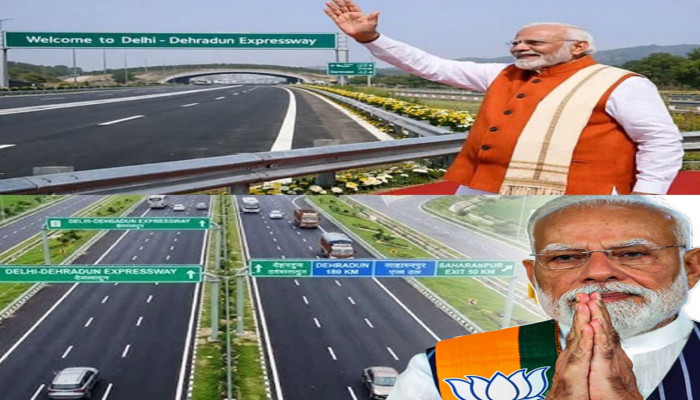
Prime Minister Narendra Modi on Tuesday inaugurated the much-anticipated Delhi–Dehradun Economic Corridor, marking a significant step in India’s road infrastructure development. The 213-kilometre-long, access-controlled expressway is expected to reduce travel time between Delhi and Dehradun from over six hours to around two-and-a-half hours. Before the inauguration, the Prime Minister visited the Maa Daat Kali Temple near Dehradun and offered prayers.
The newly launched corridor connects three states—Delhi, Uttar Pradesh, and Uttarakhand—and is designed to ensure faster and smoother travel. Built as a six-lane expressway, it aims to reduce congestion on existing routes while offering a more comfortable journey for commuters. The high-speed design allows vehicles to move efficiently with fewer interruptions, making it a reliable option for both daily travellers and long-distance commuters.
The expressway is equipped with modern infrastructure to improve safety and traffic management. An Advanced Traffic Management System (ATMS) has been installed to monitor traffic conditions and ensure smoother flow. The route includes several interchanges, railway overbridges, and major bridges to support uninterrupted travel. It also offers multiple wayside facilities for travellers. With more than 100 underpasses and several connectivity points, the corridor links seamlessly with major routes such as the Delhi–Mumbai Expressway and the Eastern Peripheral Expressway, strengthening regional connectivity.
A major highlight of the project is its focus on environmental sustainability, especially in ecologically sensitive areas. A 12-kilometre elevated wildlife corridor, one of the longest in Asia, has been constructed to allow safe movement of animals across forest regions. The project also includes dedicated underpasses for elephants and other wildlife. A tunnel near the Daat Kali temple has been built to reduce disturbance to the surrounding environment. These features aim to minimise human-animal conflict while maintaining ecological balance in the region.
The Delhi–Dehradun Economic Corridor has been developed in phases. Construction began in Delhi and extended gradually towards Dehradun. Some sections of the project were opened earlier, including a key 32-kilometre stretch connecting parts of Delhi to Baghpat, which is already operational. With the completion of the remaining sections, the entire corridor is now functional, providing a continuous and high-speed route between the two cities.
The project has been built at a cost of over Rs 11,800 crore, reflecting a major investment in infrastructure. While toll charges on the new expressway are higher compared to the older route, the benefits in terms of reduced travel time and fuel savings are expected to offset the additional cost. For travellers making a return journey within the same day, the savings in time and improved travel efficiency are likely to be significant.
Overall, the Delhi–Dehradun Expressway is expected to improve connectivity, boost regional development, and provide a faster and safer travel experience. The combination of modern technology, environmental considerations, and improved infrastructure makes it a key project in enhancing India’s road network.



 Loading...please wait
Comments