




PM Modi holds phone call with Iran’s President Pezeshkian, voices concern over rising West Asia tensions
- In Reports
- 12:46 PM, Mar 13, 2026
- Myind Staff
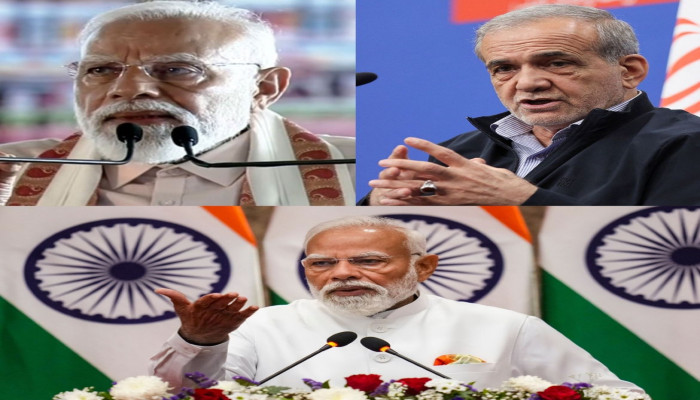
Prime Minister Narendra Modi on Thursday held a phone conversation with Masoud Pezeshkian, expressing serious concern over the rising tensions in West Asia and the impact of the conflict on civilians. The discussion comes at a time when the situation between Iran and the United States has remained tense since hostilities began late last month.
During the call, Modi said the two leaders spoke about the worsening situation in the region and the increasing humanitarian concerns caused by the conflict. Sharing details on social media, the Prime Minister indicated that their conversation focused on the fragile security environment and the need to prevent further escalation.
He conveyed that India is deeply troubled by the rising tensions in West Asia, particularly the loss of innocent lives and the destruction of civilian infrastructure. PM Modi emphasised that protecting civilians and maintaining regional stability should remain a priority for all sides involved.
Another major issue raised during the conversation was the safety of Indian nationals currently living in Iran. India has been closely monitoring the situation as thousands of Indians remain in the country for work, education, and religious purposes. Modi noted that ensuring their safety and well-being remains a key concern for the Indian government.
According to official estimates, nearly 9,000 Indian citizens are currently in Iran. This group includes students, working professionals, seafarers, and pilgrims visiting religious sites. With tensions continuing in several parts of the country, Indian authorities have already started taking precautionary steps to protect them.
Several hundred Indians who were staying in Tehran have already been relocated to safer areas within Iran. In addition, many citizens have been assisted in leaving the country through neighbouring nations such as Azerbaijan and Armenia, from where they can take flights back to India.
During the discussion, Modi also highlighted the importance of keeping global trade routes open and ensuring the uninterrupted movement of goods and energy supplies. Given the strategic importance of West Asia for global trade and oil transport, disruptions in the region could affect international markets and supply chains.
India, which relies heavily on energy imports, has been carefully following developments in the region. The Prime Minister stressed that the smooth transportation of energy resources and commercial goods must continue despite the ongoing tensions.
He also reaffirmed India’s long-standing stance that conflicts should be addressed through peaceful dialogue rather than military action. According to the Prime Minister, diplomatic engagement and constructive discussions are the most effective ways to resolve disputes and restore stability in the region.
The Indian government’s official statement stated that President Pezeshkian briefed Modi about the latest developments in Iran. The Iranian leader reportedly shared his country’s view on the recent events and explained the situation from Tehran’s perspective.
The phone conversation between the two leaders is the first direct interaction since the conflict between Iran and the United States intensified earlier this year. Since the crisis began on February 28, India has maintained regular communication with Iranian authorities to stay updated on developments.
In parallel diplomatic efforts, India’s External Affairs Minister Subrahmanyam Jaishankar has also been actively engaging with Iranian officials. He has spoken three times with his Iranian counterpart, Seyed Abbas Araghchi, to discuss the escalating situation.
Their discussions have mainly focused on reducing tensions and ensuring that merchant vessels can continue to move safely through regional waters. Shipping routes passing through West Asia are critical for global trade, and any disruption could affect multiple economies.
India has consistently called for restraint from all parties involved in the conflict. By maintaining diplomatic communication with both regional leaders and international partners, New Delhi aims to contribute to efforts that can prevent the situation from worsening further.
As tensions remain high in West Asia, India continues to prioritise the safety of its citizens abroad while also supporting peaceful solutions through dialogue and cooperation.



 Loading...please wait
Comments