



PM Modi calls leaders of Qatar, France, Jordan, Oman and Malaysia as tensions in West Asia rise
- In Reports
- 12:46 PM, Mar 20, 2026
- Myind Staff
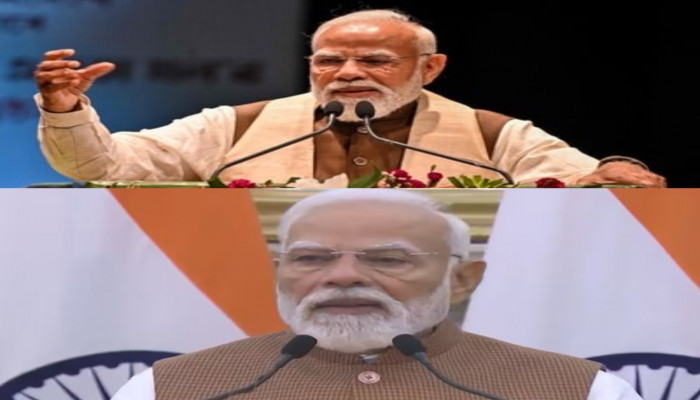
Prime Minister Narendra Modi on Thursday held a series of important conversations with leaders from Qatar, France, Jordan, Oman and Malaysia, expressing serious concern over the escalating situation in West Asia. The outreach comes at a time when tensions between Iran and the United States are intensifying, raising fears of a wider conflict in the region. During these discussions, Modi strongly condemned the recent attacks targeting energy infrastructure and stressed the urgent need for dialogue and diplomacy to restore stability.
In separate phone calls, the prime minister highlighted that peace and security in the region must be prioritised. He underlined that continued escalation could have serious consequences, not only for West Asia but also for global energy supplies and trade. Modi also raised the issue of ensuring safe and uninterrupted movement through the Strait of Hormuz, a critical route for global oil shipments.
While speaking with the Amir of Qatar, Tamim bin Hamad Al Thani, Modi conveyed India’s solidarity with Doha during this difficult time. He reiterated New Delhi’s strong condemnation of attacks on energy infrastructure in the region. "Expressed gratitude for the care and support provided to the Indian community and hoped for peace and stability to prevail in the region. We stand for safe and free navigation through the Strait of Hormuz," he said. The conversation also reflected India’s concern for its citizens living in the Gulf region.
In his interaction with King Abdullah II, Modi referred to him as "my brother" and extended advance Eid greetings. The two leaders discussed the rapidly changing situation in West Asia and agreed on the importance of diplomatic efforts. "We expressed concern at the evolving situation in West Asia and highlighted the need for dialogue and diplomacy for the early restoration of peace, security and stability in the region. Attacks on energy infrastructure in West Asia are condemnable and can lead to avoidable escalation," he said. Modi further noted that both India and Jordan support the smooth movement of goods and energy across the region. He also acknowledged Jordan’s role in helping stranded Indian nationals return safely.
The prime minister also reached out to French President Emmanuel Macron to discuss the unfolding crisis. He emphasised the urgency of reducing tensions and returning to peaceful negotiations. "Spoke with my dear friend, President Emmanuel Macron, on the situation in West Asia and the urgent need for de-escalation, as well as a return to dialogue and diplomacy. We look forward to continuing our close coordination to advance peace and stability in the region and beyond," he said. Responding to this, Macron wrote, "Thank you, my dear friend. India and France are working closely together to reduce tensions in the region and to keep diplomacy at the heart of our efforts for peace."
In another key conversation, Modi spoke with Oman’s Sultan Haitham bin Tariq and described it as a "productive conversation." He extended advance Eid greetings and stressed the importance of resolving the crisis through peaceful means. "We agreed on the need to prioritise dialogue and diplomacy for de-escalation and subsequent restoration of peace and stability," he said. Modi also reaffirmed India’s firm position against any violation of Oman’s sovereignty and territorial integrity. He praised Oman’s efforts in ensuring the safe evacuation of thousands of people, including Indian citizens, from conflict-affected areas.
The prime minister also spoke with Malaysian Prime Minister Anwar Ibrahim and conveyed greetings ahead of Hari Raya Aidilfitri. During the call, both leaders shared concerns over the situation in West Asia and reiterated their commitment to reducing tensions through diplomatic channels. "We also discussed the deeply concerning situation in West Asia and reaffirmed our shared commitment to de-escalation and the early restoration of peace and stability through dialogue and diplomacy," he said.
The developments come amid heightened military activity in the region. Iran has reportedly intensified its attacks on oil and gas facilities across the Gulf. These actions are seen as a response to an Israeli strike on South Pars, the Iranian section of the world’s largest gas field located in the Persian Gulf and shared with Qatar. The escalation has raised serious concerns about disruptions to global energy supplies, as the region plays a crucial role in meeting the world’s energy demands.
According to the International Energy Agency, nearly 80% of Iran’s electricity is generated from natural gas. Any damage to its gas infrastructure could therefore have significant domestic and international implications. The situation has also triggered strong reactions from global leaders, further increasing tensions.
US President Donald Trump issued a stern warning, stating that America would “massively blow up the entirety” of Iran’s gas field if such attacks continue. Meanwhile, Israeli Prime Minister Benjamin Netanyahu declared that Iran can no longer be allowed to enrich uranium or produce ballistic missiles. These statements highlight the growing intensity of the conflict and the possibility of further escalation.
Amid these developments, India’s diplomatic outreach reflects its focus on maintaining regional stability and safeguarding global energy flows. Modi’s emphasis on dialogue and diplomacy signals a clear effort to prevent the situation from spiralling into a larger crisis. His discussions with multiple world leaders underline India’s active role in promoting peace and cooperation amid heightened geopolitical tensions.



 Loading...please wait
Comments