



PM Modi calls for ‘Team India’ approach in virtual meeting with States on fuel and gas supply preparedness
- In Reports
- 11:56 AM, Mar 28, 2026
- Myind Staff
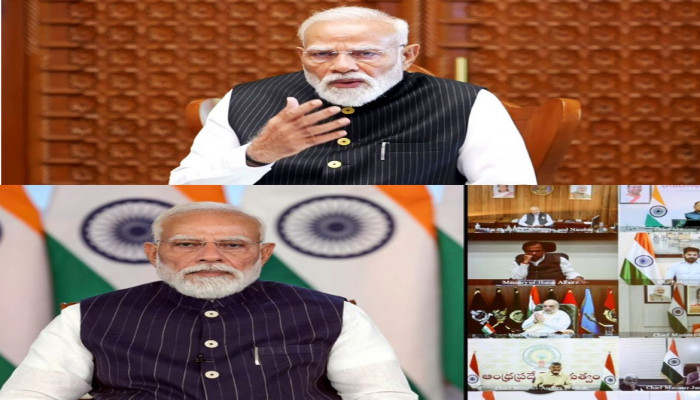
Prime Minister Narendra Modi on Friday chaired an important meeting with chief ministers of states and union territories to assess India’s preparedness in ensuring the supply of gas, fuel and essential commodities. The review comes at a time when the ongoing conflict in West Asia has raised concerns about disruptions in global supply chains. During the meeting, the Prime Minister stressed the importance of strong coordination between the Centre and the states to ensure a quick and effective response to any emerging challenges.
“The prime minister reiterated that addressing the challenge is a shared responsibility and expressed confidence that working together as Team India, the nation will successfully overcome the situation,” a statement issued by his office said. He underlined that collaboration across all levels of government would be key in handling the situation efficiently.
The Prime Minister highlighted the need to give special attention to border states and coastal regions. These areas, he noted, could face challenges related to shipping, essential supplies and maritime operations due to the evolving situation in West Asia. He also warned against the spread of misinformation and rumours, stressing that people must receive accurate and credible information to avoid panic and confusion.
According to the official statement, the chief ministers appreciated the steps taken by the central government under the Prime Minister’s leadership. They welcomed the decision to reduce excise duty on fuel during a time of global uncertainty and rising prices. The Centre also increased the allocation of commercial LPG to states, which was seen as a timely move to ease pressure on supply systems.
Sources familiar with the discussions said the meeting was aimed at reinforcing cooperation between the Union and state governments to deal with challenges arising from the crisis. The timing of the meeting was significant, as it followed closely after the Prime Minister’s statement in Parliament on the West Asia situation.
While discussing the ongoing tensions in the region, the Prime Minister reportedly referred to India’s past experience in handling global disruptions. He drew parallels with the coordinated response during the COVID-19 pandemic. “He said the same spirit of cooperation and coordination remains India’s greatest strength in navigating the present circumstances,” the statement said. He described the current situation as dynamic and stressed the need for continuous monitoring and flexible strategies.
The Prime Minister informed the participants that an inter-ministerial group has been active since March 3. This group reviews the situation on a daily basis and takes timely decisions to manage any risks. He outlined the government’s priorities, which include maintaining economic stability, ensuring energy security, safeguarding citizens’ interests and strengthening industry and supply chains.
Emphasising the critical role of state governments, he called for constant communication and coordination between the Centre and states. He urged them to share information promptly and take joint decisions to ensure a swift and well-aligned response. He also cautioned against black marketing and hoarding, urging states to keep supply chains running smoothly.
The Prime Minister further stressed the need for advance planning in the agricultural sector. He asked states to closely monitor fertiliser storage and distribution so that farmers do not face difficulties during the upcoming Kharif season. Along with immediate measures, he also called for long-term preparedness. He encouraged states to promote alternative energy sources such as biofuels, solar energy and electric mobility. Expanding piped natural gas connections was also highlighted as an important step.
He also advised states to remain engaged with industries and MSMEs to address their concerns. This, he said, would help maintain stability in production and protect employment during uncertain times.
During the meeting, Cabinet Secretary TV Somanathan presented an overview of the current situation and the steps being taken by the government. Defence Minister Rajnath Singh emphasised that the government has been actively working under the Prime Minister’s leadership to manage the crisis. He also highlighted the importance of collective action by all states and union territories.
Even though the government has maintained that there is no shortage of fuel or essential items and that adequate reserves are available, the meeting focused on assessing how prepared states are to deal with any potential shortfalls. On the same day, the government announced a reduction in excise duty on petrol by ₹3 per litre and exempted diesel from the duty to provide relief.
The meeting did not include chief ministers from four poll-bound states and one union territory. However, it saw participation from several key leaders, including N. Chandrababu Naidu, Yogi Adityanath, Revanth Reddy, Bhagwant Mann, Bhupendra Patel, Omar Abdullah, Sukhvinder Singh Sukhu and Pema Khandu, among others.
The discussions reflected a unified approach to dealing with the uncertainties caused by the West Asia conflict, with a clear emphasis on coordination, preparedness and maintaining stability across sectors.



 Loading...please wait
Comments