




Pezeshkian seeks Muslim brotherhood, accuses US, Israel of turning Gulf nations against Iran
- In Reports
- 06:56 PM, Aug 08, 2026
- Myind Staff
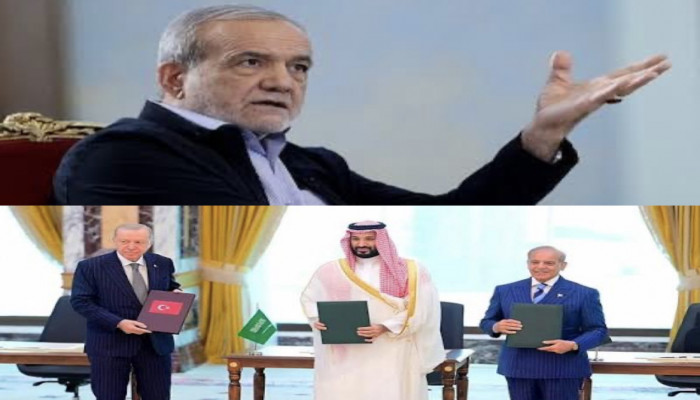
Iranian President Masoud Pezeshkian on Friday accused Israel and the United States of trying to turn Persian Gulf nations against Tehran as the war in Iran continues. He said Washington and Tel Aviv are also seeking to exploit Iran’s internal challenges during the wider conflict. His remarks came as the resumption of commercial shipping through the key Strait of Hormuz remains a major point of tension.
Speaking to Iranian state television, Pezeshkian said Tehran was working to stop the Gulf nations from turning against Iran. “Israel and the United States are attempting to turn the Persian Gulf nations against us. We’re working to prevent this. Of course, we face internal challenges as well, due to varying perspectives. And naturally, America and Israel are exploiting this situation", Pezeshkian said in an interview with the Iranian state television.
Pezeshkian also adopted a conciliatory tone towards Iran’s neighbouring Gulf nations. He stressed the need for unity among Muslims, including both Shia and Sunni communities. “My conviction, as I’ve stated before—and I don’t say this just for show—is that all Muslims are brothers. This is what the Prophet of God taught, and what the Holy Book says. Brotherhood means that all Muslims, whether Shia or Sunni, are united. Every Muslim is a brother."
The Iranian president also referred to the relationship between the United States and China while discussing Iran’s approach to the ongoing conflict. He argued that countries must know when to fight, when to seek peace and when to focus on their own affairs. He pointed to China’s growing strength despite its rivalry with Washington.
“In order to survive, we must know what we are doing: when to fight, when to make peace, and when to simply mind our own business while they mind theirs. Are China and the United States friends? China is America’s greatest rival, yet why don’t they fight? China focuses on its own work and grows stronger every day", he told the Iranian State TV.
The Strait of Hormuz remains another major issue in the conflict. The waterway is a key route for global commercial shipping and energy supplies. Pezeshkian defended Iran’s actions against ships in the strait and said Tehran had acted against vessels that violated its regulations.
“In certain parts of the strait, they claim we didn’t comply, so we took action. In the strait, we initiated military confrontations with ships that had violated regulations. Yet, some come out and declare that we are traitors or that we haven’t fulfilled the agreement. We firmly defend the memorandum we signed", he said.
Pezeshkian also rejected claims that Iran had surrendered or was seeking to give up its position in the conflict. He said Tehran would continue fighting if Israel tried to force Iran into submission. At the same time, he indicated that Iran would not seek to prolong the war if it could secure its rights through an agreement.
“Find me one single clause where we surrendered. Some keep insisting on war—which is exactly what Israel wants. If they try to force us into submission, we will fight. We will not back down, and we will not bow our heads. But when we can secure our rights, why should we continue the conflict? That is what Israel wants", he said.
The Iranian president also dismissed reports of growing tensions between the government and the Islamic Revolutionary Guard Corps (IRGC). He said Iran’s political leadership and armed forces remain united despite reports suggesting differences between them.
“There is no rift between the government and the armed forces. Iran is united and cohesive, and sowing division is what the country’s enemies want. Our fighters amazed the world", he said.
Pezeshkian’s comments come as Iran faces pressure on multiple fronts during the ongoing war. His remarks focused on maintaining ties with neighbouring Gulf states, defending Iran’s position on the Strait of Hormuz and rejecting claims of divisions within the country’s leadership. He also stressed that Tehran would continue to defend itself while remaining open to an end to the conflict if its rights could be secured.



 Loading...please wait
Comments