




Pentagon seeks $80 billion as Iran war costs continue to rise
- In Reports
- 07:00 PM, Jun 19, 2026
- Myind Staff
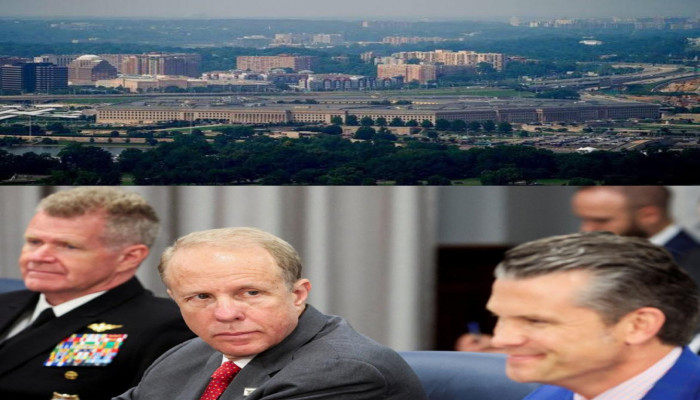
The U.S. Department of Defence has informed lawmakers that it requires an additional $80 billion to cover expenses linked to the Iran war as well as several other pending costs, according to a report by the Wall Street Journal. The newspaper cited people familiar with the discussions and said Deputy Defence Secretary Stephen Feinberg shared the figure during phone calls with lawmakers earlier this week.
The report stated that the administration is preparing a broader supplemental funding request that could be sent to Congress in the coming days. Along with defence spending, the package is expected to include funding for non-military priorities such as agricultural support and disaster relief programs.
Reuters reported that it was unable to independently verify the Wall Street Journal report. The White House and the Pentagon did not immediately respond to requests for comment as the inquiries were made outside normal business hours.
The financial impact of the Iran war has remained a major issue in Washington. In April, a Pentagon official told Reuters that the conflict had cost approximately $25 billion. The estimate was the first official figure released by the Defence Department regarding the expenses of the military campaign.
Despite that estimate, lawmakers on Capitol Hill have continued to question the overall cost of the conflict. The war began on February 28 when President Donald Trump launched military action alongside Israel. Since then, the total financial burden of the operation has remained uncertain, leading to growing debate among members of Congress.
Earlier attempts to secure additional funding faced resistance from lawmakers. An initial request seeking $200 billion in extra funding encountered strong opposition on Capitol Hill. Many legislators expressed concerns about the size of the request and the lack of clarity regarding the long-term costs of the military operation.
Questions about war spending were also raised during congressional hearings. White House budget director Russell Vought addressed the issue during an April hearing before the House of Representatives Budget Committee. While defending President Trump's proposal for a $1.5 trillion annual military budget, Vought acknowledged that the administration did not yet have a clear estimate of the war's total cost.
Vought told lawmakers, "he had no estimate for the cost of the war," as he defended Trump's request for a $1.5 trillion annual military budget.
The proposed military spending plan reflects key Republican priorities ahead of the November midterm elections. The party is working to maintain control of Congress during a politically challenging period. Rising living costs, increasing energy prices and concerns about the financial burden of the Iran war have become significant issues for voters across the country.
As discussions over the supplemental funding package continue, lawmakers are expected to closely examine both the military and domestic spending included in the proposal. The debate is likely to shape broader conversations about government spending, national security and economic priorities in the months leading up to the elections.



 Loading...please wait
Comments