




Pentagon puts Israel on highest spy watch as Trump-Netanyahu tensions deepen
- In Reports
- 07:36 PM, Jun 06, 2026
- Myind Staff
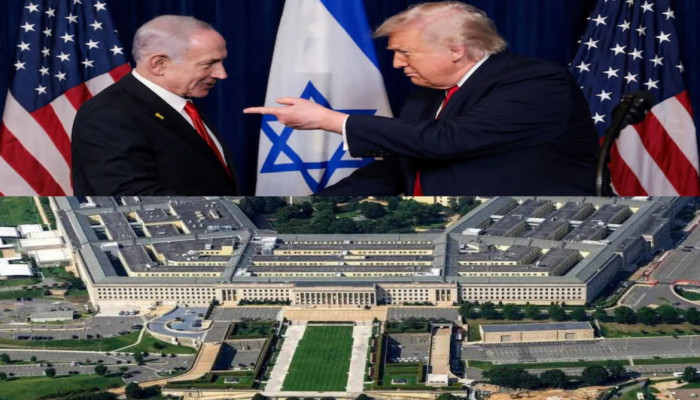
The Pentagon has raised concerns about possible Israeli intelligence activities targeting senior US officials as disagreements between President Donald Trump and Israeli Prime Minister Benjamin Netanyahu continue to grow over the Iran conflict.
According to an NBC News report, two current US officials and one former official said the Pentagon's Defence Intelligence Agency (DIA) has upgraded Israel's counter-intelligence threat designation to "critical", the highest level in its internal assessment system.
One current official told NBC News that American authorities already take extra security measures during visits to Israel because Israeli intelligence agencies have long been considered highly active in gathering information. "The US already takes extra precautions when visiting Israel," the official said, adding that Israeli intelligence agencies are known as particularly "aggressive collectors" of information.
These security measures reportedly include the use of burner phones, temporary computers and strict communication procedures, especially during visits by senior officials. Former diplomats, intelligence officials and security experts said top American officials often avoid discussing sensitive issues in hotel rooms and other locations that could be vulnerable to surveillance while in Israel.
The latest assessment reflects growing concern within parts of the US defence establishment that Israel is making strong efforts to obtain information about the Trump administration's internal discussions on conflicts across the Middle East.
The DIA assessment was reportedly issued in recent weeks as differences between Trump and Netanyahu over Iran became more visible. Officials familiar with the matter told NBC News that the agency circulated an internal notice along with a seven-page assessment document outlining concerns about Israel's intelligence-gathering capabilities.
According to one official, the report concluded that Israel's ability to conduct both human espionage and technical intelligence collection should be viewed as operating at a "critical level". The document reportedly includes several incidents that contributed to the assessment. However, officials said they were not aware of any single event that directly led to the decision.
The immediate impact of the assessment is expected to be seen in the precautions taken by US personnel travelling to Israel or working with Israeli counterparts. Current and former officials said American officials are likely to follow additional security protocols. Despite the concerns, intelligence-sharing between the two countries remains unchanged.
Emily Harding, vice president of the Defence and Security Department at the Centre for Strategic and International Studies, described Israel's intelligence operations as "hyper-aggressive".
"They are exceedingly interested in what we are up to," NBC News quoted Harding as saying.
Israel has strongly rejected the allegations. A spokesperson for the Israeli Embassy in Washington dismissed the claims and called them "completely false".
"Israel does not gather intelligence on American entities, let alone US government officials," the spokesperson said. The embassy further stated that Israeli intelligence activities are focused on adversaries and not on allied nations.
A White House official also denied the report, describing it as false. The official said the claims were based on information from "individuals lacking knowledge of internal developments".
Although intelligence gathering among allies is not unusual, current and former US officials told NBC News that they believe the alleged Israeli activities go beyond the level of espionage that is generally tolerated between friendly nations.
The concerns have surfaced at a sensitive stage in US-Israel relations. Since the ceasefire reached in April, Trump has been pursuing diplomatic efforts aimed at securing a broader agreement with Iran. Netanyahu, however, has publicly questioned whether Tehran would honour such a deal.
Israeli officials have continued to support stronger military action against Iran. Reports also suggest disagreements between Washington and Tel Aviv over operations involving Hezbollah in Lebanon.
Tensions between Trump and Netanyahu reportedly became evident during a recent phone conversation that turned heated. Trump later acknowledged that he had called the Israeli prime minister "crazy", increasing speculation about growing differences between the two leaders over Middle East policy.
Earlier this week, Axios reported that Trump had another tense conversation with Netanyahu. During the call, the US President reportedly expressed frustration over Israeli threats to resume air strikes on Beirut's southern suburbs.
According to the report, Trump warned Netanyahu that such actions were harming Israel's international image. He reportedly told the Israeli leader, "Everybody hates you now. Everybody hates Israel because of this".
The warning came after Iran reportedly argued that Israeli military actions in Lebanon were negatively affecting ongoing efforts to end the conflict. Trump also cautioned Netanyahu against targeting Beirut as diplomatic efforts continued in the region.
The latest intelligence concerns and political disagreements highlight growing strains between two long-standing allies at a time when tensions across the Middle East remain high.



 Loading...please wait
Comments