




Pentagon flags Canada’s military shortcomings as new restrictions strain defence ties
- In Reports
- 06:08 PM, Nov 23, 2026
- Myind Staff
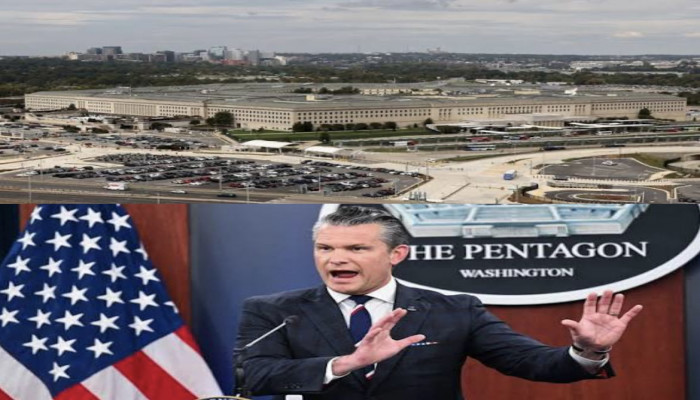
The Pentagon has criticised Canada’s military preparedness, questioning its reliability as a partner in North American defence. It cited low military readiness and inadequate long-term defence spending while introducing new restrictions on official interactions between US and Canadian military personnel.
According to reports by The Washington Post and Axios, US military personnel must now seek prior Pentagon approval before attending official events with their Canadian counterparts. However, the restrictions do not affect intelligence sharing or operational cooperation between the two countries.
The move comes amid growing tensions between Washington and Ottawa over defence spending, trade disputes and Canada’s review of major US weapons purchases, including Lockheed Martin’s F-35 fighter jet programme.
A Pentagon fact sheet reviewed by Axios said Canada’s military readiness remained below expectations across all three branches, despite recent increases in defence spending.
Between 2025 and 2026, only 41.9% of the Royal Canadian Air Force’s fleet was serviceable. The Pentagon attributed this to ageing aircraft and staff shortages. It said these limitations affected Canada’s ability to contribute effectively to continental air defence through the North American Aerospace Defence Command (NORAD).
The fact sheet also reported that only 53.9% of Canada’s naval fleet was operational during the same period. It highlighted that just one of the country’s four ageing Victoria-class submarines was considered seaworthy at any given time. Canada is acquiring a new submarine fleet from Germany’s ThyssenKrupp Marine Systems, but the new capabilities are expected to take years to enter service.
The Canadian Army recorded an operational readiness level of 48%, raising further concerns about its ability to meet alliance commitments.
Canada’s Department of National Defence acknowledged equipment-related challenges but said its assessments showed that 61% of military units were ready for operations.
In a statement, the department said, “Canada and the United States have a long history of defence cooperation built on a shared commitment to continental defence and protecting our collective security around the globe.”
The Pentagon’s criticism comes amid a wider disagreement over NATO defence spending, which has intensified under US President Donald Trump.
Canada committed in 2006 to spending 2% of its gross domestic product (GDP) on defence. However, its spending remained around 1.5% until 2025. Ottawa announced earlier this year that it had reached NATO’s 2% target.
NATO leaders have since endorsed a new target of spending 5% of GDP on defence and related security investments by 2035. US officials said Canada has yet to present a fully funded plan to achieve this goal.
The Pentagon fact sheet said, “Unfortunately, Canada has yet to make the hard decisions and tradeoffs needed to put it on track to fulfil its NATO Defence Investment Pledge and become a credible partner in the defence of our shared continent. Canada's defence shortfalls speak for themselves.”



 Loading...please wait
Comments