




Pakistan’s water crisis runs deeper than India’s Indus Water Treaty abeyance, experts admit
- In Reports
- 07:07 PM, Nov 20, 2026
- Myind Staff
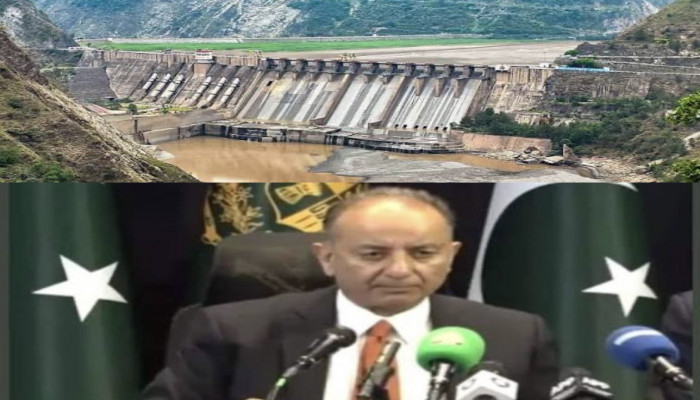
Pakistan’s water crisis stems from years of poor management, wastage and disputes between provinces, rather than India’s decision to put the Indus Waters Treaty (IWT) in abeyance, according to several Pakistani experts.
CNN-News18 reviewed 25 articles written by Pakistani authors between 2017 and October 2026. The contributors include former ministers, a former ambassador, hydrologists and a retired Pakistan Air Force officer. Published in Dawn, The Express Tribune, The News, The Friday Times and Business Recorder, most articles point to domestic failures as the main reasons behind the crisis.
“No. We did that ourselves," wrote retired Group Captain S.M. Hali in Business Recorder. He questioned whether India had asked Pakistan to build houses on floodplains, avoid constructing dams or destroy its forests.
Pakistan’s agricultural sector consumes more than 90% of the country’s freshwater, while irrigation efficiency remains below 40%, according to water-sector professional Dr Imran Aziz Tunio.
Former Punjab Irrigation Minister Mohsin Leghari said nearly half the water released from canal heads never reaches farms due to leakage. Writing in Dawn, Naseer Memon noted that Pakistan receives 143 billion cubic metres (BCM) of water at canal heads but uses only 55 BCM effectively for agriculture.
Rice, wheat, sugarcane and cotton together consume more than 80% of the country’s water resources. However, these crops contribute only 5% to Pakistan’s GDP.
Leghari also highlighted serious gaps in water governance. Pakistan has not had a full-time Indus Waters Commissioner since January 2018. The country also lacks a dedicated Federal Secretary for Water Resources. Meanwhile, the National Water Council has not held a meeting since October 2018.
“Pakistan cannot demand transparency from others while tolerating opacity at home," Leghari wrote.
A June 2026 River Bulletin analysed by The Friday Times showed zero water discharge downstream of Kotri Barrage in Sindh. At the same time, Tarbela continued storing water, while link canals diverted supplies upstream. The report argued that water remained available within the system, pointing to disputes between Punjab and Sindh over distribution.
Groundwater resources are also under pressure. Unregulated tube-wells continue pumping water, causing groundwater levels to fall across Punjab and Sindh.
Hydrologist Dr Hassan Abbas argued in 2018 that Pakistan needs less than 77 million acre-feet (MAF) annually for domestic, industrial and agricultural requirements. Its rivers, however, provide around 145 MAF.
“We are neither water deficient nor water scarce," he wrote.
Some Pakistani writers have criticised India's decision to suspend the treaty but maintain that it has exposed existing weaknesses. In Business Recorder, Fazeel Asif described the treaty's suspension as “a multiplier," rather than a replacement for domestic reforms. He said the system “is not dying of thirst; it is dying of avoidance."
Former World Bank adviser Abid Hasan had also described blaming India for Pakistan's water problems as “a convenient alibi" years before the treaty was put in abeyance.



 Loading...please wait
Comments