




Pakistani mosque in Japan faces demolition after illegal construction row
- In Reports
- 01:24 PM, Jun 03, 2026
- Myind Staff
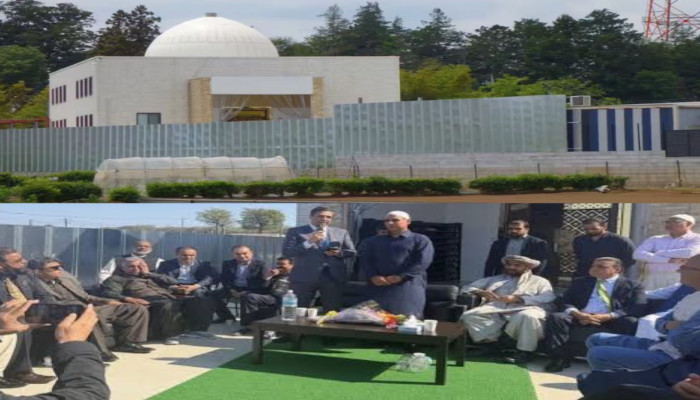
A mosque built by members of Pakistan's diaspora in Japan has landed in controversy after local authorities found that it was constructed without the required approvals. The mosque, located in Kawagoe city, was inaugurated in April in the presence of Pakistan's Ambassador to Japan, Abdul Hameed. However, only weeks after the inauguration, questions were raised about its legality, forcing the Pakistani Embassy to issue a clarification. The structure is now facing the possibility of demolition, with local residents and authorities demanding action.
The issue came to light after Kawagoe City Hall confirmed that the mosque had been built in an area where construction is generally restricted under Japanese law. According to city authorities, the required permissions were never obtained before construction began.
In an official statement, Kawagoe City Hall said, "The building (mosque) was constructed in an urban development control area where construction is generally prohibited unless specific permissions are secured under the City Planning Act."
The statement further added, "The building in question was constructed without the city's permission."
City officials said they spent considerable time guiding those involved in the project and encouraging them to take corrective measures. Authorities also revealed that they had received requests from relevant parties seeking the demolition of the mosque. The proposal has now been accepted for review.
The controversy has placed Pakistan's diplomatic mission in Japan in an uncomfortable position. After reports of the illegal construction emerged, the Pakistani Embassy publicly distanced itself from any project that violated Japanese regulations. It also urged members of the Pakistani community in Japan to strictly follow local laws, especially when building religious structures.
In a post on X on June 1, the Embassy of Pakistan said, "The Embassy of Pakistan earnestly requests and emphasises to the Pakistani community residing in Japan that they fully comply with Japanese laws in all matters, particularly with regard to the construction of places of worship. No construction project may be initiated without obtaining the necessary permits from local governments."
The embassy also clarified the circumstances under which Ambassador Abdul Hameed attended the inauguration ceremony on April 3. According to the mission, the ambassador had accepted the invitation only after being informed that all necessary approvals required under Japanese law had already been secured.
A day earlier, on May 31, the Pakistani mission issued another statement making its position clear. It stressed that construction projects should not begin unless all required permissions have been obtained from local authorities.
"The Embassy of Pakistan has no connection to any such projects, especially those that do not comply with the laws of local governments. This includes the event held in Kawagoe on April 3, 2026, for which the Ambassador of Pakistan accepted the invitation on the basis of information that all required permits in accordance with Japanese law had been obtained," the embassy said.
The statement further added, "Information regarding the legal aspects of all such projects should be communicated to all members of the community and to the residents of that area as well. The Embassy of Pakistan urgently requests all relevant members of the community to fully cooperate with Japanese authorities and to comply with Japanese laws in all circumstances, particularly in connection with projects of this nature."
Meanwhile, Kawagoe authorities are monitoring the situation and consulting with relevant agencies before taking a final decision. Officials have pointed out another concern linked to the case. Since the mosque was built without official approval, the city cannot confirm whether local residents were properly informed about the project before construction started.
Community consultation is considered an important part of development projects in Japan. Authorities often expect developers to communicate with nearby residents, particularly when new structures may affect the surrounding neighbourhood.
The mosque, which was inaugurated with the participation of Pakistan's envoy, now stands at the centre of a growing legal and community dispute. While the structure remains in place for now, its future remains uncertain.
City officials are currently reviewing the case and considering the next course of action. Whether the mosque is allowed to remain or eventually demolished will depend on the final decision taken by the city authorities.



 Loading...please wait
Comments