




Pakistan under fire after confirming Iranian aircraft used its strategic bases
- In Reports
- 01:46 PM, May 12, 2026
- Myind Staff
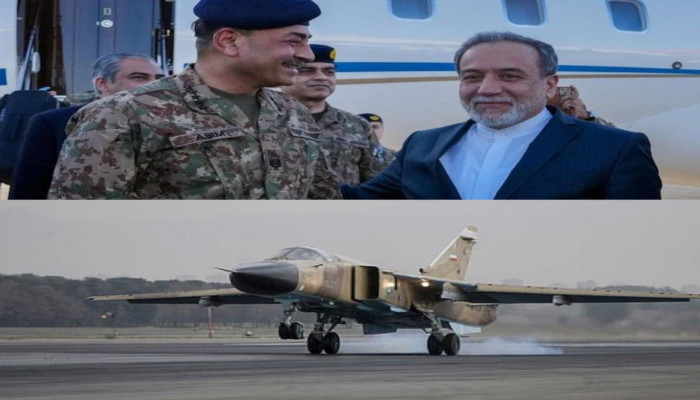
Pakistan has come under intense scrutiny after officially acknowledging that Iranian aircraft were present at one of its strategic airbases during the recent conflict between the United States and Iran in West Asia. The development has raised questions about Islamabad’s role in the conflict and its position as a mediator between the two sides.
The controversy began after reports suggested that Pakistan had quietly allowed Tehran to use its airbases during the tensions with Washington. In response to the growing criticism, Pakistan’s Ministry of Foreign Affairs issued a statement on Tuesday attempting to dismiss the allegations. However, the statement appeared to confirm that Iranian military aircraft had indeed been stationed on Pakistani soil.
“The Iranian aircraft currently parked in Pakistan arrived during the ceasefire period and bears no linkage whatsoever to any military contingency or preservation arrangement,” the statement claimed.
While the Pakistani government tried to describe the presence of the aircraft as unrelated to military operations, the statement strengthened claims that Iranian military planes had been allowed access to Pakistan’s air facilities. The issue has attracted international attention, especially after reports by CBS News suggested that Pakistan may have supported Iran during the conflict while also trying to maintain stable ties with the United States.
According to the report, which cited two US officials, Pakistan quietly permitted Iranian military aircraft to use its airfields. The report suggested that the move may have helped protect Iranian aircraft from possible American airstrikes during the conflict.
Pakistan, however, attempted to present the situation as part of logistical support linked to diplomatic talks. Even so, the confirmation that Iranian military assets were present in the country has led to criticism that Islamabad may have crossed the line from neutral mediator to active supporter of Tehran.
Two US officials told CBS News that multiple Iranian aircraft were sent to Pakistan’s Nur Khan Airbase days after former US President Donald Trump announced a ceasefire with Iran in early April. Among the aircraft reportedly present at the base was an Iranian Air Force RC-130. The aircraft is known for reconnaissance and intelligence-gathering operations and is a variant of the Lockheed C-130 Hercules tactical transport aircraft.
Pakistan’s foreign ministry further stated, “A number of aircraft from Iran and the United States arrived in Pakistan to facilitate the movement of diplomatic personnel, security teams, and administrative staff associated with the talks process. Some aircraft and support personnel remained temporarily in Pakistan in anticipation of subsequent rounds of engagement.”
The statement, however, did not explain why an Iranian reconnaissance aircraft like the RC-130 would need to remain parked at a highly secure military installation for an extended period. Critics argue that this raises doubts about Pakistan’s claims of neutrality during the conflict.
The issue has now added pressure on Pakistan’s diplomatic position. By allowing Iranian aircraft to remain at its military base, Islamabad is being accused of providing a safe space for Iranian assets at a time of regional tensions. Observers believe this could place Pakistan in a difficult position if the conflict between Washington and Tehran escalates again.
The reports have also complicated Pakistan’s balancing act between Iran and the United States. Islamabad had reportedly tried to maintain favourable ties with Washington while also supporting Tehran during the conflict. The latest revelations have now exposed the risks involved in attempting to manage relations with both sides simultaneously.
The matter has triggered reactions in the United States as well. Lindsey Graham, a close ally of Donald Trump, called for a “complete reevaluation” of Pakistan’s role as a mediator. In a post on X, Graham stated that he would “not be shocked” by Pakistan’s actions. He referred to earlier comments made by Pakistani officials regarding Israel, which shares close relations with Washington.
Pakistan’s strategy of maintaining ties with opposing sides now appears to have created distrust within sections of the US administration. Reports suggest that Trump rejected the Iranian response to his peace proposal, which had reportedly been conveyed to Washington through Pakistan.
Pakistan had also hosted discussions between Iran and the United States during this period. However, according to a report by CNN, several people close to Trump have questioned Pakistan’s reliability as a mediator in the negotiations.
CNN reported that some officials in the US administration are uncertain whether Pakistan has been fully communicating Trump’s dissatisfaction with the progress of the peace process to Iran. The report also claimed that some officials believe Pakistan may have presented a more favourable version of Iran’s position to Washington than what actually existed.
These developments have led to growing mistrust within the US administration. Several officials reportedly believe Pakistan is not accurately conveying the United States’ position to Iran. This has reportedly created confusion and differing expectations within the Iranian leadership regarding the peace process.
The controversy has now placed Pakistan under increased diplomatic pressure. Questions continue to grow over whether Islamabad acted as a neutral mediator or whether it moved closer to openly supporting Tehran during the conflict.



 Loading...please wait
Comments