




Pakistan sought over 50 meetings with US administration to stop India’s Operation Sindoor: 2025 FARA filings
- In Reports
- 06:22 PM, Jan 06, 2026
- Myind Staff
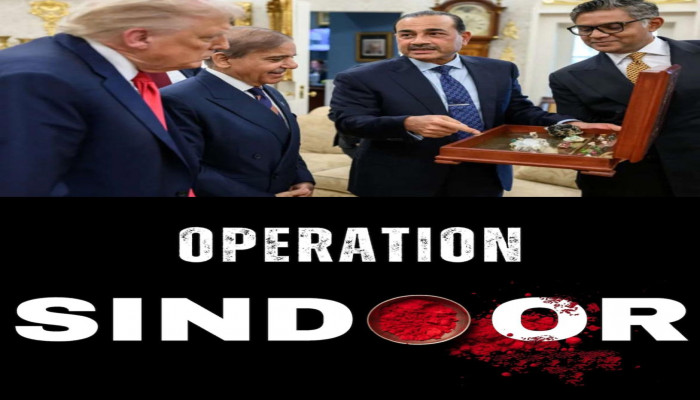
Newly accessed documents from the United States government have revealed the scale of Pakistan’s lobbying efforts in Washington during India’s military action known as Operation Sindoor in May 2025. The records show that Islamabad launched an extensive diplomatic campaign in the US with the clear aim of seeking American intervention to halt India’s military response following the Pahalgam terror attack in Jammu and Kashmir.
According to documents reviewed by NDTV, Pakistani officials made extraordinary efforts to influence policymakers in Washington at a time when India had launched military operations after a Pakistan-sponsored terror attack in April 2025. The lobbying push continued until a ceasefire was fully implemented.
The filings were made under the US Foreign Agents Registration Act (FARA), which requires foreign governments and their representatives to disclose lobbying activities in the United States. These records reveal that Pakistan’s ambassador to the US and its defence attaché sought more than 50 meetings with senior figures across the US administration, Congress, defence institutions, and the media.
The FARA filings indicate that Pakistani diplomats reached out to more than 60 officials and intermediaries through emails, phone calls, and in-person meetings. The outreach included members of Congress, officials from the Pentagon, the US State Department, and influential American journalists.
The stated goal of this diplomatic effort was to press Washington for intervention and to “somehow stop” India’s military campaign following the Pahalgam terror attack in Jammu and Kashmir.
Several entries in the filings describe the activity as “ongoing representation of Pakistan”, highlighting the sustained and intense nature of the lobbying effort during this period of military and diplomatic pressure.
The documents show that Pakistani representatives discussed a range of issues during their meetings and communications. These included the Kashmir issue, regional security concerns, rare earth minerals, and broader bilateral relations between Pakistan and the United States.
Alongside discussions with government officials, Pakistani representatives also sought interviews and background briefings with major US media organisations. The outreach to journalists suggests an attempt to shape public narratives as well as policy discussions in Washington.
This lobbying campaign did not occur in isolation. In November 2025, The New York Times reported that Pakistan had signed contracts with six Washington-based lobbying firms, spending approximately $5 million annually. The goal of these contracts was to gain faster access to the Trump administration and to secure favourable trade and diplomatic outcomes.
According to the report, Pakistan worked with Seiden Law LLP, operating through Javelin Advisors. Weeks after this agreement was signed, the US President Donald Trump hosted Pakistan Army Chief Field Marshal Asim Munir at the White House. The meeting was widely viewed as a sign of Pakistan regaining high-level access to US political leadership.
The New York Times investigation also noted that Pakistan sharply increased its lobbying spending during April and May 2025. During this period, Islamabad spent at least three times more than India on lobbying efforts in Washington.
The newspaper described the resulting changes in US policy tone as a major shift from earlier strained relations between Washington and Islamabad. This shift was marked by public praise for President Trump, the nomination of his name for the Nobel Peace Prize, and efforts to secure profitable business and trade deals.
Multiple diplomatic sources have said that the 2025 FARA filings confirm a broader trend. Pakistan significantly expanded its lobbying presence across Capitol Hill and within the US media ecosystem. Some individual lobbying contracts and outreach efforts reportedly ran into hundreds of thousands of dollars.
While there are signs that Pakistan’s lobbying spending reduced later in the year, the documents together present a clear picture of a country under intense military and diplomatic pressure. Faced with India’s continued military action during Operation Sindoor, Pakistan urgently turned to Washington in the hope of limiting India’s momentum on the battlefield.
The filings underline how critical US intervention was seen by Islamabad during this period and how far it was willing to go diplomatically to achieve that objective.



 Loading...please wait
Comments