




Pakistan-Kazakhstan Joint Statement mentions Kashmir, calls for resolution as per UNSC resolutions
- In Reports
- 04:39 PM, Feb 05, 2026
- Myind Staff
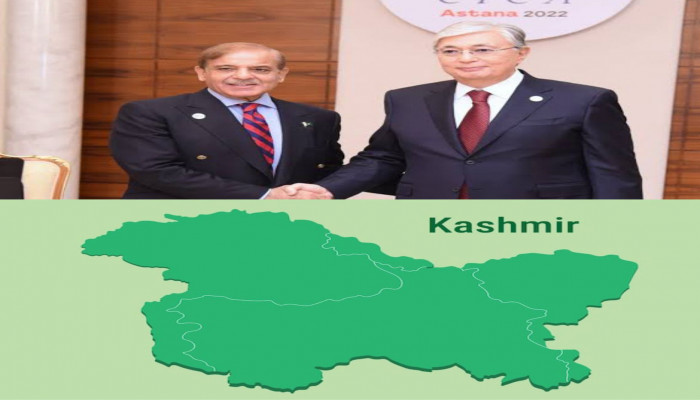
Kazakhstan President Kassym-Jomart Tokayev concluded a two-day state visit to Pakistan on 4 February 2026, marking the first visit by a Kazakh leader to the country in more than two decades. The visit was seen as a major step in strengthening ties between Islamabad and Astana.
During the visit, Pakistan and Kazakhstan signed a Joint Declaration announcing the establishment of a strategic partnership between the two nations. Along with this, both sides also signed 37 Memorandums of Understanding (MoUs) in different sectors including trade, mining, agriculture, and transport.
A key highlight of the declaration was the mention of the Jammu and Kashmir dispute, which has now become a topic of controversy. The joint statement stressed that the issue should be resolved peacefully in line with United Nations resolutions. Paragraph 15 of the declaration stated that “a peaceful settlement of the Jammu and Kashmir dispute in accordance with the relevant UNSC resolutions is indispensable for lasting peace and stability in South Asia.”
This particular reference has drawn attention because Kazakhstan is known for maintaining a neutral approach in regional disputes and also shares strong ties with India.
President Tokayev arrived in Islamabad on 3 February, following an invitation from Prime Minister Shehbaz Sharif. He was welcomed with a ceremonial guard of honour. During his stay, Tokayev held talks with Prime Minister Sharif as well as President Asif Ali Zardari. The discussions focused mainly on expanding cooperation and raising bilateral relations to a stronger level.
The talks included plans to improve economic collaboration and boost trade between the two countries. Leaders also discussed improving regional connectivity through projects such as the Trans-Caspian Transport Corridor. Another major focus was Kazakhstan’s interest in gaining access to Pakistani ports, including Gwadar and Karachi, which could provide Kazakhstan with more routes for trade and transport.
However, the mention of Kashmir in the joint declaration has created controversy due to the political sensitivity of the issue. Pakistan has repeatedly referred to the UN Security Council resolutions from 1948-49, which called for a plebiscite. These resolutions have been described as outdated after later agreements between India and Pakistan, including the 1972 Simla Agreement. India argues that the Simla Agreement makes Kashmir a bilateral matter and does not allow third-party involvement.
India has consistently opposed international references to Kashmir, calling them interference in its internal affairs. Kazakhstan’s inclusion of the UNSC-based Kashmir line has raised questions, especially because Astana maintains strong cooperation with India in multiple areas. Kazakhstan has developed close ties with India through trade and defence cooperation and also works with India in multilateral forums like the Shanghai Cooperation Organisation (SCO).
The mention of Kashmir has led to accusations that Pakistan used diplomatic pressure or manoeuvring to secure the statement. While India has not yet released an official response, analysts expect New Delhi to respond firmly and repeat its stand that Kashmir is strictly a bilateral issue.
This is also not the first time Pakistan has managed to include such language in joint statements with other countries. Similar mentions have appeared earlier in statements signed with other nations. Still, Kazakhstan’s case stands out because of its generally balanced diplomatic position and its growing economic interests with India, including collaborations in the energy and defence sectors.
The declaration is being viewed as part of Pakistan’s broader effort to expand its alliances, especially after facing economic difficulties and international scrutiny, including the Financial Action Task Force (FATF) process. On the other hand, Kazakhstan continues to balance its relationships with multiple global and regional powers such as China, Russia, and India, while also increasing engagement with South Asia.
Despite the signing of major agreements and MoUs, the Kashmir clause could create tension between Kazakhstan and India. Observers believe this could strain Astana’s relations with New Delhi, without necessarily bringing any major practical benefits for Pakistan.
The statement’s Kashmir reference has therefore become the most discussed part of the entire visit, even though the visit also focused heavily on economic cooperation and regional connectivity.



 Loading...please wait
Comments