




Pakistan hires top Washington lobby for $1.2 million to build positive perception in US political circles
- In Reports
- 01:08 PM, May 30, 2026
- Myind Staff
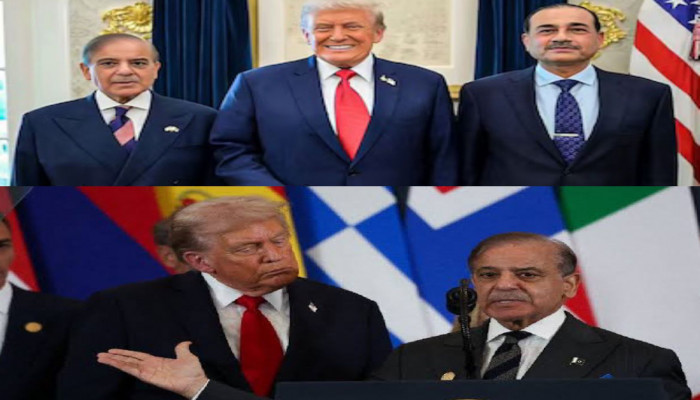
Pakistan has entered into a major lobbying agreement in Washington as part of an effort to improve its image in the United States and strengthen bilateral relations. CNN-News18 has learnt that the Pakistani government has signed a two-year contract worth $1.2 million with the US-based lobbying firm Ervin Graves Strategy Group, LLC.
The agreement came into effect on May 1, 2026. Under the contract, the Pakistani Embassy in Washington will pay the firm $50,000 every month. The deal was formally signed by Tom Graves, Chief Executive Officer of Ervin Graves Strategy LLC, and Rizwan Saeed Sheikh, Pakistan’s Ambassador to the United States.
According to the contract, the lobbying firm has been assigned the task of improving Pakistan’s standing in Washington. A key objective is to present Pakistan as a dependable trade partner and an important ally in counter-terrorism efforts. The campaign also seeks to reduce the impact of long-standing concerns and negative perceptions associated with Islamabad in American policymaking circles.
The agreement outlines a broad advocacy strategy aimed at reaching influential decision-makers in the United States. As part of this effort, the firm will arrange meetings with senior officials from the White House and the Pentagon. It will also engage members of the US Congress and committees that deal with defence, trade, and foreign policy matters.
The lobbying campaign will include a series of receptions, roundtable discussions, and private policy meetings at the Pakistani Embassy in Washington. These events are expected to bring together American lawmakers, congressional staff, Pakistani officials, and representatives from key ministries. The firm will also organise and brief US lawmakers and congressional staff before official visits to Pakistan. The objective is to shape their understanding of the country and influence the narrative before they travel to the region.
One of the most important goals of the agreement is the preservation of Pakistan’s "Major Non-NATO Ally" status with the United States. To support this objective, the contract specifically instructs the lobbying firm to focus on security threats originating from Afghanistan. Pakistan hopes that highlighting these challenges will help demonstrate its role in regional stability and counter-terrorism operations. Islamabad believes this approach can help secure continued American support for its military and security initiatives.
The emphasis on Afghanistan reflects Pakistan’s strategy of using regional security concerns to reinforce its partnership with Washington. By drawing attention to threats across the border, the country aims to strengthen its case as an important security partner in South Asia.
The lobbying firm has also been tasked with monitoring potential legislative challenges related to the Leahy Law and possible human rights sanctions. These concerns stem from allegations of human rights violations involving the Pakistan Army in Khyber Pakhtunkhwa and Balochistan. The agreement includes efforts to manage international criticism and limit the impact of such allegations on Pakistan’s relationship with the United States.
As part of this strategy, the firm will seek to promote positive narratives about Pakistan through media outreach. It will engage with editorial boards of major American media organisations and influential political groups. The goal is to encourage favourable articles, opinion pieces, and commentary that support Pakistan’s position on key issues.
The Indian intelligence agencies are closely monitoring the agreement. According to top Indian intelligence sources, the contract represents a sophisticated public relations campaign designed to improve Pakistan’s image abroad rather than address deeper structural issues.
Analysts tracking the development believe Islamabad is using significant financial resources to gain influence in Washington and improve its reputation among American policymakers. They argue that the focus on lobbying, media engagement, and congressional outreach is intended to divert attention from concerns regarding governance and human rights in Pakistan’s western regions.
Intelligence experts also suggest that the initiative reflects a broader pattern in Pakistan’s security approach. According to their assessment, the country continues to follow selective counter-terrorism policies in which some militant groups face action while others are allegedly tolerated or allowed to operate.
The timing of the agreement has also raised questions among strategic observers. Pakistan is currently dealing with serious economic challenges and financial pressures at home. Despite these difficulties, the government has chosen to invest heavily in a foreign lobbying and public relations campaign.
According to intelligence sources, this decision highlights a preference for external image-building efforts over long-term economic reforms and domestic stabilisation measures. They believe the government is relying on traditional diplomatic methods to maintain international support instead of addressing underlying issues that have affected its global standing.
While the lobbying agreement is expected to improve Pakistan’s visibility and access within influential circles in Washington, experts remain divided over its long-term effectiveness. Supporters may view it as a necessary diplomatic investment aimed at strengthening ties with the United States. Critics, however, argue that lasting trust cannot be built through lobbying alone.
Ultimately, the agreement reflects Pakistan’s attempt to secure greater support on Capitol Hill, protect key strategic interests, and reshape perceptions in the United States. At the same time, it has renewed debate over whether international image management can substitute for the deeper governance and policy changes that many observers believe are necessary for building long-term credibility in Washington.



 Loading...please wait
Comments